The information provided in this article is intended solely for general informational and educational purposes. It does not constitute medical advice, diagnosis or professional treatment, and should not be considered a substitute for consultation with a qualified doctor or other licensed healthcare professional. Any health-related decisions should be made in consultation with accredited medical professionals.
While efforts have been made to ensure the information is accurate and up to date, no guarantees are given—either express or implied—regarding its accuracy, completeness, currency or suitability. Use of this information is at your own discretion.
It is strongly recommended to consult official sources such as the NHS (National Health Service) or other recognised medical institutions before acting on any information contained on this website or article. Under no circumstances should professional medical advice be ignored or delayed due to content read here.
This content is of a general and informational nature only. It is not intended to replace individualised guidance from a healthcare professional or to establish any doctor-patient relationship. The publication of this information does not imply any professional responsibility, guarantee or obligation on the part of the author or this site.
Have you ever felt your world spinning when you were simply sitting still? It’s unsettling, right? That dizzy sensation can leave you wondering: what on earth is happening to me?
It turns out, anxiety might be playing a bigger role than you think. Many people experience dizziness alongside anxious feelings, and this link can sometimes go unnoticed. If you’re one of those who find themselves feeling lightheaded during stressful moments, you’re not alone.
This article dives into the connection between anxiety and dizziness. We’ll explore how anxiety can trigger physical sensations that feel very real. You’ll learn about the science behind it—like how our body reacts to stress. Plus, we’ll touch on ways to manage these feelings if they’re affecting your day-to-day life.
Remember, this isn’t a substitute for professional medical advice! health decisions should never solely be based on articles like this one. Always consult with a healthcare professional for personalized guidance and support.
Find Calm and Restore Balance: Simple Strategies to Overcome Anxiety-Related Dizziness
Understanding Anxiety and Dizziness
Anxiety can feel overwhelming, and it’s more common than you might think. Many people experience dizziness as a symptom of anxiety. It’s like when your mind races; sometimes, your body responds in unexpected ways.
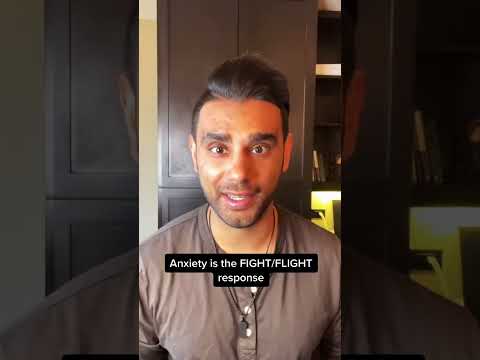
So, how are anxiety and dizziness connected? Well, when we feel anxious, our body goes into a fight-or-flight mode. This is our natural response to perceived threats. Our heart rate increases, breathing quickens, and sometimes this leads to feelings of lightheadedness or dizziness.
Why Does Dizziness Happen?
Imagine your body’s stress response as kicking on a turbocharger in a car. Everything speeds up. But if you’re not really in danger, that extra speed can cause confusion in the body—leading to dizzy spells.
Sometimes people notice other symptoms too—like racing hearts or tense muscles—making it all feel more intense. It’s like a cycle: the anxiety causes dizziness, which can lead to even more anxiety.
Finding Calm: Simple Strategies
- Breathe Deeply: Try taking slow, deep breaths. Inhale through your nose for four counts, hold for four counts, then exhale through your mouth for six counts. It helps calm you down.
- Ground Yourself: Focus on something around you—a texture or color—to anchor yourself in the present moment.
- Your Posture Matters: Sitting up straight or standing tall can help with blood flow and make you feel less dizzy.
- Stay Hydrated: Sometimes dizziness comes from dehydration. Drinking water regularly can help keep those symptoms at bay.
Add Some Movement
A little bit of gentle movement like walking or stretching can help get your blood circulating again. Think of it as shaking off the tension built up from anxiety.
A quick walk outside can shift your perspective too! Nature has a calming effect on many people—it’s like hitting reset on your mind!
A Friends Support System
You know what else helps? Talking about what you’re feeling with someone you trust—a friend or family member who will listen without judgment makes all the difference.
Coping Takes Time
The process of managing these feelings doesn’t happen overnight; be patient with yourself! Look for strategies that resonate with you personally—they might vary from person to person.
If Things Feel Overwhelming…
If dizziness persists despite trying some strategies or starts interfering with daily life significantly, it may be worth talking to someone who understands mental health better—like a counselor or therapist.
Remember that reaching out is part of being strong!
Anxiety-related dizziness is tough but managing it is possible! With small steps towards calming yourself and understanding what’s going on inside both emotionally and physically—you’ve got this!
Finding Relief for Whirling Worries
Understanding the Link Between Anxiety and Dizziness
Let’s talk about something many people experience but don’t always understand: dizziness linked to anxiety. It’s kind of like when you feel overwhelmed, and suddenly the room starts spinning a bit. Weird, right? But it happens.
What is Anxiety?
Anxiety is a normal reaction to stress. Think of it as your body’s way of preparing to deal with potential threats. It’s that feeling you get before a big presentation or when you’re about to face something new. It’s completely natural.
How Does Anxiety Cause Dizziness?
When we feel anxious, our bodies go into fight-or-flight mode. This means our heart races, breathing speeds up, and muscles tense. Sometimes, this response can cause imbalances in our inner ear or even changes in blood flow. That can lead to dizziness or lightheadedness.
Is Dizziness During Anxiety Common?
Yeah, it really is! Many people report feeling dizzy during stressful situations or panic attacks. In fact, it can be one of the key symptoms that helps folks identify their anxiety better.
A Real-Life Example
Imagine you’re at a concert and suddenly you start feeling anxious about being in a crowd. Your heart starts racing; you might feel hot or sweaty—then boom! You feel a bit dizzy too. It’s all connected! Your brain is working overtime while your body reacts.
What Can You Do About It?
If you find yourself feeling dizzy due to anxiety, there are some strategies that might help you find relief:
- Breathe deeply: Slow your breathing down; inhale through your nose and exhale through your mouth.
- Ground yourself: Focus on your senses—what do you see? Hear? Feel? This can help distract from dizziness.
- Meditation: Regular meditation promotes relaxation which can lower overall anxiety levels.
- Talk About It: Sharing feelings with friends or professionals can lighten the mental load.
A Word on Myths
You might hear people say dizziness from anxiety isn’t real—it’s all in your head. But here’s the thing: just because something comes from emotional stress doesn’t mean it isn’t real! Your feelings are valid and deserve understanding.
When Should You Seek Help?
If dizziness becomes frequent or severely impacts daily life, talking to someone who knows more about these issues might be warranted—like a counselor or therapist who specializes in anxiety disorders.
The Bottom Line
Dizziness linked to anxiety is both common and manageable for many people. Understanding this connection is crucial for finding relief when those whirling worries pop up again. With simple techniques and support, there’s hope for clearer days ahead!
Understanding the Duration and Impact of Anxiety-Related Dizziness
Anxiety can cause many different symptoms. One of the most perplexing ones is dizziness. You might feel lightheaded or off-balance, which can be quite unnerving. So let’s break it down, okay?
What is Anxiety-Related Dizziness?
Anxiety-related dizziness often occurs when you’re feeling stressed or anxious. It could be your body’s way of reacting to too much adrenaline, which is a hormone that prepares you for “fight or flight.” Just think about how your heart races when you’re scared – dizziness can happen too.
How Long Can It Last?
The duration of dizziness can vary widely from person to person. Sometimes, it lasts only a few minutes; other times, it can linger for hours or days on end. This really depends on what’s going on in your life and how much anxiety you are feeling at that moment.
Why Does It Occur?
Your body’s nervous system plays a big role here. When you’re anxious, it can disrupt the balance signals sent to your brain. You know that feeling when you’re dizzy after spinning around? Anxiety-related dizziness feels somewhat similar but without the fun part!
The Connection Between Anxiety and Physical Symptoms
People often don’t realize how intertwined their mind and body are. For instance, if you’re anxious about something like public speaking, your body might react even though there’s no real danger present.
Can It Affect Your Daily Life?
Absolutely! If dizziness strikes often due to anxiety, it may limit daily activities. Feeling dizzy might prevent you from exercising or going out with friends—a real bummer!
Differentiating from Other Issues
It’s important to remember that not all dizziness is caused by anxiety. Sometimes context matters—like dehydration or an ear infection could also lead to similar feelings.
Dealing With It
If you experience regular episodes of anxiety-related dizziness, finding ways to manage anxiety helps significantly. Breathing exercises and mindfulness techniques are what many people find useful.
The Bottom Line
Anxiety-related dizziness is real and very uncomfortable for many folks out there. Understanding it’s linked to anxiety can help demystify the experience a bit.
- If it’s happening often, consider reaching out for support.
- Taking steps towards managing stress might lessen those dizzy spells.
Your experience with anxiety may feel isolating sometimes—but trust me; you’re not alone in this journey!
Anxiety is a common mental health issue that can deeply affect daily life. Many people experience dizziness as a physical symptom of anxiety, but why does this happen? Let’s break it down.
When someone feels anxious, their body enters a state often called “fight or flight.” It’s like an alarm system going off. This reaction triggers various changes: heart rate increases, breathing gets faster, and blood flow may be redirected. You know that feeling when your heart races while watching a scary movie? That’s similar but for people with anxiety, it can happen more often and sometimes even without a clear trigger.
Dizziness itself can manifest in different ways—lightheadedness, spinning sensations (called vertigo), or even feeling faint. Think of it like being on a rollercoaster; your body feels the rush and sways around due to the sudden movements. In cases of anxiety, the brain misinterprets signals about balance and spatial awareness, leading to dizziness.
Moreover, hyperventilation, which is rapid breathing often associated with anxiety attacks, lowers carbon dioxide levels in the blood. This can cause tingling sensations and lightheadedness—sometimes making anxiety feel worse.
Understanding this link between anxiety and dizziness is crucial for those experiencing these symptoms. Recognizing that they might be related to stress rather than an underlying medical condition can be incredibly relieving. It opens up avenues for effective management strategies like mindfulness practices or cognitive-behavioral therapy.
Also worth mentioning is that it’s always important to consult healthcare professionals if these symptoms persist. Sometimes what seems like anxiety-related dizziness could have other causes needing attention.
In short, the connection between anxiety and dizziness isn’t just random—it’s rooted in how our bodies respond to stressors. Being aware of this link helps in addressing both mental and physical health together.