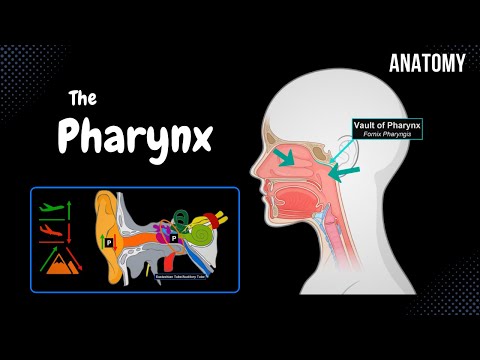
The pharynx is a fascinating part of our anatomy, often overlooked yet crucial for many bodily functions. Think of it as a gateway—an intricate passageway that connects our mouth and nose to the esophagus and trachea. It plays an essential role in breathing, swallowing, and even speaking. Understanding the pharynx can illuminate why we experience common issues like sore throats or swallowing difficulties.
In this exploration, we will dive into the functions of the pharynx and discuss some typical problems individuals may face. By making sense of how this vital structure operates, you can better recognize when something might be amiss with your health.
However, it’s important to remember that while this article provides valuable insights, it is not a substitute for professional medical advice. Always consult with healthcare specialists if you have persistent symptoms or concerns regarding your throat or related issues. Reliable information comes from various sources, so be sure to educate yourself through multiple channels for a well-rounded understanding. Your health deserves thorough attention!
The information provided in this article is intended solely for general informational and educational purposes. It does not constitute medical advice, diagnosis or professional treatment, and should not be considered a substitute for consultation with a qualified doctor or other licensed healthcare professional. Any health-related decisions should be made in consultation with accredited medical professionals.
While efforts have been made to ensure the information is accurate and up to date, no guarantees are given—either express or implied—regarding its accuracy, completeness, currency or suitability. Use of this information is at your own discretion.
It is strongly recommended to consult official sources such as the NHS (National Health Service) or other recognised medical institutions before acting on any information contained on this website or article. Under no circumstances should professional medical advice be ignored or delayed due to content read here.
This content is of a general and informational nature only. It is not intended to replace individualised guidance from a healthcare professional or to establish any doctor-patient relationship. The publication of this information does not imply any professional responsibility, guarantee or obligation on the part of the author or this site.
Exploring the Essential Roles of the Pharynx in Health and Function
The pharynx is a crucial part of our anatomy, often overlooked. It connects the nose and mouth to the esophagus and larynx. Think of it as a passageway that decides whether air goes to the lungs or food to the stomach.
One of the primary functions of the pharynx is breathing. When you inhale, air travels through this tunnel before reaching your lungs. The pharynx plays a role in filtering and warming this air, making it safer for your lungs.
Another key function is swallowing. When you eat, muscles in the pharynx push food down into the esophagus. It’s a coordinated effort that happens quickly, so you can breathe and swallow almost simultaneously without thinking about it.
The pharynx also helps with sounding out words. It acts as a resonating chamber for your voice. When you speak, sound travels through your vocal cords and resonates in this area before exiting your mouth. This gives our voices their unique tone.
It’s important to recognize common issues related to the pharynx. Conditions like throat infections can cause pain or discomfort here. Allergies or environmental irritants may lead to swelling or irritation too.
Sometimes people experience conditions like sleep apnea, where breathing stops briefly during sleep. This can be related directly to obstruction in the pharyngeal area.
Maintaining good health involves taking care of your throat as well. Staying hydrated is vital; drinking enough fluids keeps tissues moist and helps them function properly.
Additionally, good hygiene practices can prevent infections. Washing hands regularly and avoiding close contact with sick individuals are simple yet effective methods.
Being aware of how the pharynx functions can help you appreciate its role in overall health. Understanding these basics encourages informed discussions about symptoms or concerns that may arise.
In summary, your pharynx plays many essential roles from breathing to swallowing and voice modulation. By recognizing its importance, we empower ourselves to make better health choices related to our respiratory and digestive systems.
Uncovering Uncommon Conditions of the Throat
The throat, particularly the pharynx, is a crucial part of our bodies. It helps us breathe, swallow, and speak. While many people are familiar with common throat issues like sore throats or strep throat, there are lesser-known conditions that can also affect this area.
Understanding these uncommon conditions can help with early detection and better management. Some may seem strange at first but recognizing them is important for overall health.
1. Pharyngoesophageal Diverticulum: This condition occurs when a small pouch forms in the pharynx. It can collect food particles and lead to discomfort or bad breath. It’s like having a tiny pocket that traps leftovers in your throat.
2. Globus Sensation: Many people feel a lump in their throat without any physical blockage. This sensation is often related to anxiety or stress and isn’t always linked to an underlying issue. Think of it as your body reacting to pressure—like feeling butterflies before a big event.
3. Laryngopharyngeal Reflux (LPR): Different from typical acid reflux, this occurs when stomach acid reaches the throat and voice box. It may cause hoarseness or frequent coughing, sometimes even mistaken for allergies.
4. Tonsilloliths: These are calcified deposits that form in the tonsils and can cause irritation or bad breath as they grow larger. Imagine them as tiny stones hiding in a cave!
5. Hypernasal Speech: Some individuals may experience speech difficulties due to structural changes or nerve issues affecting their throats and noses together, resulting in an unusual sound while speaking.
Recognizing symptoms like chronic coughs, persistent lumps, or unusual sounds while swallowing can be key signs of these conditions. Many often go misdiagnosed due to their rarity.
Most importantly, if you experience strange sensations or discomfort in your throat that lasts a long time, it’s wise to consult someone knowledgeable about health issues.
This topic sheds light on how complex our bodies are—even parts as seemingly straightforward as the throat can surprise us with various conditions! Understanding these rare issues empowers us all towards better health awareness and preventative care strategies for ourselves and our loved ones.
Discover the Three Distinct Sections of Your Throat and Their Vital Roles
Your throat is more than just a passageway for food and air. It plays a vital role in your overall health. Let’s uncover the three distinct sections of your throat and their functions.
The first part is the **nasopharynx**. This section sits behind your nose. It’s where air flows when you breathe in through your nose.
Importantly, it helps filter out dust and microbes, thanks to the mucus and tiny hair-like structures called cilia.
Next, we have the **oropharynx**. This area is located behind your mouth. It serves as a crossroads for both food and air.
Key functions include helping you swallow and contributing to speech. It’s also home to your tonsils, which play a role in fighting infections.
Finally, there’s the **laryngopharynx**, found below the oropharynx. This section leads into both the esophagus and the trachea.
This makes it crucial for directing food down to your stomach while ensuring air goes into your lungs.
Each of these sections works together seamlessly, allowing us to eat, breathe, and speak. But they can encounter issues along the way.
Common problems include throat infections, such as strep throat or tonsillitis. These can cause pain and difficulty swallowing but are usually manageable with appropriate care.
Allergies can also affect these areas by causing inflammation or irritation. This might lead to increased mucus production or coughing.
Understanding how each part of your throat functions helps you take better care of it. If something feels off, it’s worthwhile to pay attention to those signals from your body.
Remember that maintaining good hygiene and staying hydrated supports all parts of your throat! So next time you feel discomfort in this area, think about these three segments working hard for you every day!
Understanding the pharynx is essential, as it plays a crucial role in both our respiratory and digestive systems. This muscular tube connects the mouth and nasal passages to the esophagus and trachea. By grasping its functions, we can better appreciate how our bodies work and recognize when something might be wrong.
The pharynx aids in swallowing by directing food to the esophagus while preventing it from entering the airways. It also serves as a pathway for air, enabling us to breathe easily through our nose or mouth. Additionally, it houses tonsils, which help fight infections.
Common issues involving the pharynx include sore throats, infections like pharyngitis or tonsillitis, and conditions such as sleep apnea. These problems can affect our ability to swallow or breathe properly and may lead to discomfort.
By understanding how these functions come together and how common issues arise, we empower ourselves to seek appropriate care when needed. It also highlights the importance of maintaining good hygiene practices, such as regular handwashing and staying hydrated, which can help prevent pharyngeal issues.
Ultimately, being informed about the pharynx fosters better health decisions for ourselves and encourages those around us to prioritize their throat health too.