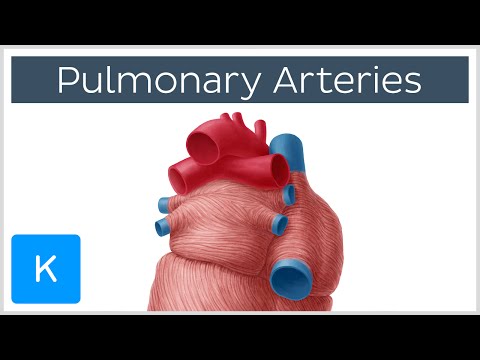
The pulmonary artery is a remarkable vessel, serving as a vital highway for blood in the body. This artery carries oxygen-poor blood from the heart to the lungs, where it gets refreshed with oxygen before returning to nourish the rest of the body. Understanding its anatomy and importance can deepen our appreciation for how our circulatory system works.
Think of the pulmonary artery as a bridge connecting two important places: the heart and the lungs. Just like traffic flows smoothly over that bridge, blood travels through this artery to ensure we get enough oxygen for our physical activities, mental clarity, and overall health.
However, it’s crucial to remember that while exploring complex topics like this one, understanding should come from various sources. Health information can often seem overwhelming or confusing. If you’re curious about matters concerning your health, consult multiple specialists and diverse media outlets to ensure you get well-rounded perspectives. Each expert has unique insights that can contribute significantly to your understanding and decision-making about your health. Always prioritize informed choices—they’re key to your well-being!
The information provided in this article is intended solely for general informational and educational purposes. It does not constitute medical advice, diagnosis or professional treatment, and should not be considered a substitute for consultation with a qualified doctor or other licensed healthcare professional. Any health-related decisions should be made in consultation with accredited medical professionals.
While efforts have been made to ensure the information is accurate and up to date, no guarantees are given—either express or implied—regarding its accuracy, completeness, currency or suitability. Use of this information is at your own discretion.
It is strongly recommended to consult official sources such as the NHS (National Health Service) or other recognised medical institutions before acting on any information contained on this website or article. Under no circumstances should professional medical advice be ignored or delayed due to content read here.
This content is of a general and informational nature only. It is not intended to replace individualised guidance from a healthcare professional or to establish any doctor-patient relationship. The publication of this information does not imply any professional responsibility, guarantee or obligation on the part of the author or this site.
Understanding the Lifeline of Your Lungs and Heart
Understanding how your lungs and heart work together is essential for overall health. They form a **lifeline** that keeps oxygen flowing throughout your body. Let’s break down their connection, focusing on the pulmonary artery.
The **pulmonary artery** is a key player in this system. It carries blood from the heart to the lungs. This might sound simple, but it’s crucial for life.
When blood leaves the heart through the right ventricle, it enters the pulmonary artery. Think of this artery as a highway that transports deoxygenated blood—blood low in oxygen—to the lungs.
In the lungs, carbon dioxide is exchanged for fresh oxygen. It’s similar to filling up a car with fuel at a gas station. The blood then becomes rich in oxygen.
Once this exchange happens, oxygen-rich blood makes its way back to the heart through pulmonary veins. From there, it gets pumped out to nourish every cell in your body.
Here are some key points about why understanding your pulmonary artery is vital:
Recognizing symptoms like shortness of breath or fatigue could help you address issues early on.
Our lifestyle choices impact lung and heart health significantly. Regular exercise strengthens both organs while avoiding smoking protects them from damage.
In summary, understanding your lungs and heart and their interplay via the pulmonary artery is crucial for maintaining good health. Knowledge empowers you to make informed choices about your wellbeing, ensuring that you keep this lifeline strong and functional.
Exploring the Vital Pathway of Blood Flow from Heart to Lungs
Understanding how blood flows from the heart to the lungs is essential for grasping how our body functions. It’s a clever system that ensures our bodies get the oxygen they need.
The heart has four chambers: two atria on top and two ventricles below. When blood returns from the body, it enters the right atrium. Think of this chamber as a waiting room for blood.
From the right atrium, blood moves to the right ventricle. This ventricle acts like a pump, pushing blood into the pulmonary artery. Now here’s where it gets interesting: while most arteries carry oxygen-rich blood, the pulmonary artery carries oxygen-poor blood.
Why is this important? The pulmonary artery transports deoxygenated blood to the lungs. In simple terms, it’s like sending dirty clothes to a laundromat for cleaning.
Once in the lungs, blood travels through smaller branches of the pulmonary artery, reaching tiny air sacs called alveoli. Here’s where a crucial exchange happens: carbon dioxide leaves the blood and fresh oxygen enters.
After this refreshing process, oxygen-rich blood returns through pulmonary veins to the left side of the heart. It’s now ready to be pumped out to nourish all parts of your body.
To recap:
Understanding this pathway helps us realize why lung health is vital for overall well-being. If there are issues with any part of this process—like blocked arteries or lung diseases—it can affect how efficiently our body receives oxygen.
Keeping your heart and lungs healthy means paying attention to lifestyle choices like diet and exercise. It encourages us all to take proactive steps towards better health without being overly alarmed by potential issues.
In conclusion, appreciating how your body circulates blood not only informs you about basic biology but empowers you in making informed health choices every day!
Understanding the Lifeline of Oxygen: Why Pulmonary Circulation Matters
Understanding how our body gets oxygen is crucial for appreciating the importance of pulmonary circulation. This system is like a delivery service, bringing oxygen from the lungs to the rest of the body.
When you breathe in, air travels down your trachea and into your lungs. Here’s where the magic happens. Oxygen moves from tiny air sacs in the lungs into your blood. This process is called gas exchange.
The pulmonary artery plays a key role in this journey. It carries blood that is low in oxygen away from the heart and into the lungs. Imagine it as a highway leading to an oxygen-rich destination.
Once in the lungs, blood releases carbon dioxide, a waste product we need to get rid of. At the same time, it picks up fresh oxygen. The now-oxygenated blood returns to the heart through pulmonary veins.
From there, it is pumped out to nourish different organs and tissues throughout your body. Without efficient pulmonary circulation, this vital process would be disrupted.
Here are some key points about pulmonary circulation:
It’s easy to overlook how essential this flow of oxygen is until something goes wrong. Keeping your respiratory system healthy—through not smoking, staying active, and managing allergies—can help maintain strong pulmonary circulation.
Being aware of how this system operates can empower you to take care of your respiratory health better. Questions about how breathing affects other parts of your body? Always best to consult with someone who can provide tailored information for you!
Understanding the pulmonary artery is crucial for grasping how our heart and lungs work together. This artery plays a vital role in transporting deoxygenated blood from the heart to the lungs, where it gets oxygenated.
The pulmonary artery branches into two main vessels that lead to each lung, resembling a tree’s branches. This design ensures that both lungs receive equal blood flow, which is essential for efficient gas exchange.
One of the key aspects of the pulmonary artery’s anatomy is its unique structure. It has thinner walls compared to systemic arteries since it carries blood at lower pressures. This design helps accommodate the delicate nature of lung tissues.
Recognizing its importance extends beyond basic anatomy; disorders involving this artery can have serious implications. Conditions like pulmonary hypertension can arise when pressure in this artery becomes too high, leading to significant health risks.
In summary, understanding both the anatomy and importance of the pulmonary artery enriches our comprehension of cardiovascular and respiratory health. It emphasizes how interconnected our body systems are and highlights the need for informed health decisions regarding heart and lung conditions.