
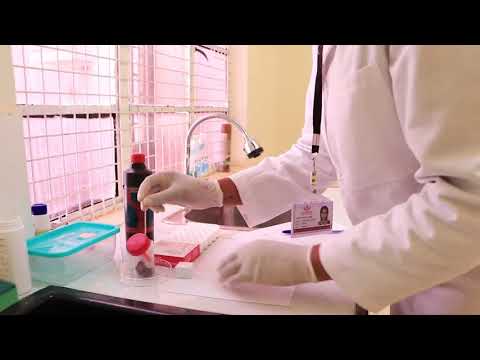
Have you ever wondered what happens when a doctor asks for a stool sample? It might sound a bit uncomfortable, but it’s a crucial step in diagnosing various health issues. Understanding the stool sample culture test process can help demystify this important medical tool.
Think of your body as a bustling city. Your gut is like the main road, filled with traffic—food, bacteria, and waste—all moving along daily. Sometimes, this traffic can get congested or go off-course, leading to health concerns. A stool sample culture test helps doctors identify what might be causing disruptions in that flow.
During the test, a small sample of your stool is taken to a lab where lab technicians look for harmful bacteria, viruses, or parasites that could be making you unwell. By analyzing the “traffic” in your gut, they can pinpoint issues and suggest appropriate treatments.
However, it’s essential to approach medical information with care. While understanding the stool sample culture test is beneficial, never rely solely on one source for health advice. Each person’s situation is unique; what works for one may not work for another. Always consult different specialists and credible media sources to get well-rounded information before making decisions about your health. Your body deserves informed attention!
The information provided in this article is intended solely for general informational and educational purposes. It does not constitute medical advice, diagnosis or professional treatment, and should not be considered a substitute for consultation with a qualified doctor or other licensed healthcare professional. Any health-related decisions should be made in consultation with accredited medical professionals.
While efforts have been made to ensure the information is accurate and up to date, no guarantees are given—either express or implied—regarding its accuracy, completeness, currency or suitability. Use of this information is at your own discretion.
It is strongly recommended to consult official sources such as the NHS (National Health Service) or other recognised medical institutions before acting on any information contained on this website or article. Under no circumstances should professional medical advice be ignored or delayed due to content read here.
This content is of a general and informational nature only. It is not intended to replace individualised guidance from a healthcare professional or to establish any doctor-patient relationship. The publication of this information does not imply any professional responsibility, guarantee or obligation on the part of the author or this site.
Decoding Your Stool Culture Report: A Simple Guide to Understanding What’s Inside
Understanding your stool culture report can feel overwhelming. But let’s break it down into simple parts so that you can grasp what the results mean for your health.
A stool culture test helps detect bacteria, viruses, or parasites in your digestive system. This test can identify infections that might be causing issues like diarrhea or abdominal pain.
When you submit a stool sample, it is sent to a lab. Here, trained professionals place it in special conditions that encourage the growth of any harmful germs present. It usually takes around 1-3 days to see results.
Once the germs grow, the lab checks for specific types of bacteria. You might see terms like “normal flora”, “pathogens,” or “antibiotic sensitivity” on your report.
Normal flora refers to harmless bacteria that live in our intestines and aid digestion. If you have primarily these kinds of bacteria, that’s typically a good sign.
Conversely, finding pathogens indicates harmful bacteria or viruses that could be causing illness. Examples include *Salmonella* or *E.coli*. If these are detected, your healthcare provider may suggest treatment options.
The report might also discuss antibiotic sensitivity. This means they’ll tell which antibiotics can effectively treat the infection caused by identified pathogens. It’s crucial for ensuring effective treatment and reducing antibiotic resistance.
Sometimes, you may encounter phrases like “mixed flora” on the report. It simply means there are various types of bacteria present—both good and bad.
If you see “no growth,” this means no pathogenic organisms were found in your sample. However, it doesn’t rule out all issues entirely; it just shows that no harmful microbes were identified at that time.
Interpreting your stool culture report should involve discussions with a healthcare provider who can provide personalized insight based on your symptoms and history.
A few key points to remember:
Stool cultures are powerful tools but remember—it’s just one piece of the puzzle regarding health issues. Always stay informed and consult experts when exploring health concerns!
Discovering What Your Stool Sample Can Reveal About Your Health
When we talk about health, one part of our body often gets overlooked: our intestines. The state of your stool can tell a lot about what’s going on inside you.
A stool sample culture test is a way to check for germs—specifically bacteria or other pathogens—in your digestive tract. This test usually helps identify infections that could be causing symptoms like diarrhea, stomach cramps, or bloating.
So, what does a stool sample reveal? Here are some key points:
The process for collecting a stool sample is pretty simple. You’ll typically receive a clean container to catch the stool during a bowel movement. It’s important to follow instructions carefully to avoid contamination.
Once the sample is sent to the lab, experts look for harmful microorganisms by growing cultures from it. If they find something concerning, they will suggest treatments based on their findings.
It’s also essential to remember that not every change in your stool indicates illness. Factors like diet and hydration levels play significant roles too.
For instance, eating more fiber can lead to changes in consistency and color. Likewise, certain foods may alter the smell or appearance of your stool temporarily.
If you notice persistent changes such as blood in your stool or prolonged diarrhea, it’s wise to consult with someone knowledgeable about health matters.
Stool health is an important aspect of overall well-being. Paying attention to these signals from your body helps you make informed decisions about your health journey. Always trust your instincts and reach out if something feels off!
Unlocking Insights from Your Stool: A Step-by-Step Guide to Understanding What It Tells You
Understanding your stool can be a window into your health. A stool sample culture test is one way that healthcare providers check for various infections and issues in the digestive system.
What is a Stool Culture?
A stool culture involves taking a small sample of your stool and analyzing it in a lab. This helps identify harmful bacteria, viruses, or parasites that might be causing symptoms like diarrhea, cramping, or fever.
Why Would You Need One?
If you’re experiencing any ongoing digestive issues, your healthcare provider may recommend this test. It’s particularly useful if you’ve had recent travel, changes in diet, or contact with sick individuals.
How to Prepare for the Test
Preparation is usually simple. You may be asked to avoid certain medications like antibiotics for a few days before the test. It’s also important to keep the sample free from contaminants.
The Collection Process
Collecting the sample doesn’t have to be complicated. Use the collection kit provided by your healthcare provider, which often includes sterile containers and tools.
Remember not to mix it with urine or toilet water as this can affect results!
Sending Off Your Sample
Once you’ve collected your sample, send it to the lab as soon as possible. If there are delays in sending it, keep it refrigerated but don’t freeze it.
The Testing Phase
In the lab, technicians will put your sample on special media that promote bacterial growth. They will look for specific pathogens that could explain any symptoms you’re facing.
This usually takes 24-48 hours for initial results. Some tests might take longer depending on what they’re looking for.
Understanding Results
Once results are available, they will be shared with you by your healthcare provider. If harmful bacteria are found, appropriate treatments can be discussed.
If everything looks normal but you still have symptoms? Don’t hesitate to ask further questions or seek second opinions!
Myths Around Stool Tests
There are many misconceptions about stool tests:
In conclusion, understanding what your stool tells you through culture testing is a valuable part of managing gut health. Always remember it’s essential to discuss findings with a qualified individual who can guide you based on comprehensive evaluations tailored just for you!
Understanding the stool sample culture test process is vital for both healthcare providers and patients. This test helps identify infections caused by bacteria, viruses, or parasites in the gastrointestinal tract.
When a doctor suspects an infection, they might recommend a stool sample. The patient collects a small amount of stool in a sterile container—this is crucial to avoid contamination.
Once at the lab, specialists examine the sample under controlled conditions. They add specific nutrients to encourage harmful microorganisms to grow and multiply, which can take days. After this incubation period, they analyze the cultures to identify any pathogens present.
Key points include:
It’s important to remember that not all gastrointestinal symptoms require testing; often, they may resolve on their own. A stool culture is just one tool among many used to understand digestive health better. Ultimately, clear communication between patients and healthcare providers leads to informed choices and better health outcomes.

