The information provided in this article is intended solely for general informational and educational purposes. It does not constitute medical advice, diagnosis or professional treatment, and should not be considered a substitute for consultation with a qualified doctor or other licensed healthcare professional. Any health-related decisions should be made in consultation with accredited medical professionals.
While efforts have been made to ensure the information is accurate and up to date, no guarantees are given—either express or implied—regarding its accuracy, completeness, currency or suitability. Use of this information is at your own discretion.
It is strongly recommended to consult official sources such as the NHS (National Health Service) or other recognised medical institutions before acting on any information contained on this website or article. Under no circumstances should professional medical advice be ignored or delayed due to content read here.
This content is of a general and informational nature only. It is not intended to replace individualised guidance from a healthcare professional or to establish any doctor-patient relationship. The publication of this information does not imply any professional responsibility, guarantee or obligation on the part of the author or this site.
Understanding Tri-Lo-Sprintec: Uses, Risks, and Interactions
Have you ever found yourself confused about birth control options? You’re not alone. Many people share that feeling, especially when navigating complex medications like Tri-Lo-Sprintec. It’s a bit of a mouthful, but understanding it can really impact your health choices.
This article is all about breaking down what Tri-Lo-Sprintec is, its uses, potential risks, and how it interacts with other medications. You see, sometimes even common prescriptions like this one can stir up confusion. And that’s completely normal!
We’ll dive into how this medication works and why you might be prescribed it. But we’ll also talk about the side effects you should know about—because being informed is key to making the right decisions for your body.
Just a heads-up though: while this article offers useful information, it doesn’t replace professional medical advice. Health decisions shouldn’t be based solely on what you read here, so make sure to chat with your healthcare provider for tailored guidance.
Discovering the Factors That Affect Your Sprintec Experience
Understanding Tri-Lo-Sprintec
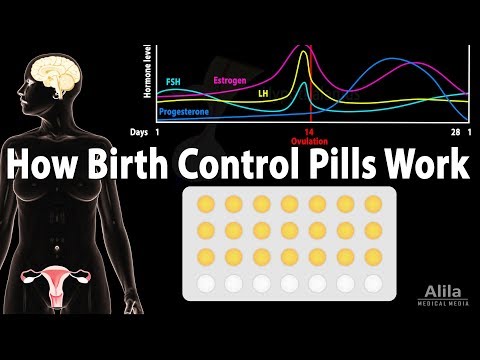
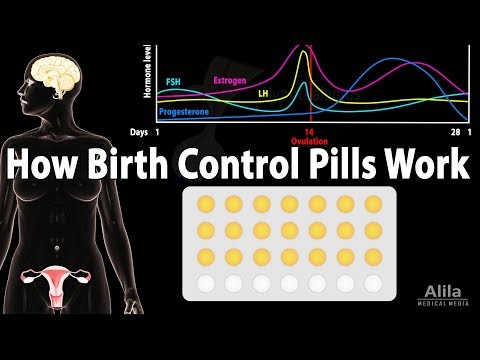
Tri-Lo-Sprintec is a form of birth control that’s often prescribed to prevent pregnancy. It contains hormones, specifically estrogen and progestin. These hormones work together to stop ovulation, which means your body doesn’t release an egg for fertilization.
Factors That Influence Your Experience
Several factors can affect how well you respond to Tri-Lo-Sprintec. Everyone’s body is a bit different, right? Here are a few considerations:
- Your Hormonal Balance: Each person’s hormones fluctuate differently. If your hormone levels are off due to health issues or stress, this might affect how Tri-Lo-Sprintec works for you.
- Other Medications: If you’re taking other meds, that could interfere with the effectiveness of birth control. For example, some antibiotics and anti-seizure medications might reduce its effectiveness.
- Weight and Metabolism: Your weight can play a role in how hormones function in your system. People with different metabolic rates may experience different effects from the same medication.
- Dosing Schedule: Being consistent with when you take your pill matters! Missing doses or taking them at irregular times can lead to unexpected outcomes.
Potential Risks and Side Effects
No medication is without risks, including Tri-Lo-Sprintec. Some experience side effects like headaches, nausea, or mood swings. Others may notice changes in their skin or weight.
If you’re feeling particularly uncomfortable with any symptoms while on this medication, it’s important to have that chat with someone who knows best—like a pharmacist or healthcare provider.
Lifestyle Influences
Your daily life choices also impact your experience on this contraceptive. Things like diet, exercise habits, and stress levels matter too!
- Diet: A balanced diet can support better hormonal health. Excessive sugar intake or skipping meals may worsen side effects.
- Sweat Sessions: Regular exercise tends to boost mood and overall health which might help ease some potential side effects as well.
- Coping with Stress: Finding healthy ways to manage stress can positively influence hormonal balance too!
The Importance of Communication
A key part of navigating any medication is communication. Don’t hesitate to ask questions! Whether it’s about side effects you’re experiencing or clarifications about use—you deserve clear answers.
Easily misunderstandings happen when things aren’t fully explained. It’s all about finding what works best for you within the choices available!
A Personal Touch
Your journey with Tri-Lo-Sprintec might look different from someone else’s experiences—and that’s totally normal! Keep track of how you’re feeling throughout the process. Sometimes keeping a small journal of changes can be really helpful too!
If things just don’t seem right over time or something feels off? Reaching out for help should be the first thing on your mind—it shows strength!
Exploring the Lasting Impact on Your Health and Well-Being
Understanding Tri-Lo-Sprintec
Tri-Lo-Sprintec is a type of birth control pill, specifically a combination of hormones. It’s designed to prevent pregnancy by regulating your menstrual cycle and stopping ovulation. So, how does it work? Well, it releases estrogen and progestin, which are hormones that help control the reproductive process.
Uses of Tri-Lo-Sprintec
This medication isn’t just used for preventing pregnancy. It can also help in managing conditions like acne and menstrual disorders. For example, if someone has painful periods or irregular cycles, doctors might suggest this pill as a solution.
Risks Involved
Like any medication, Tri-Lo-Sprintec comes with some risks. Side effects can vary from person to person. Common ones include nausea, headaches, and mood changes. Some may even experience weight gain or spots on their skin.
More serious risks involve blood clots. They’re rare but can happen mostly among smokers or women over 35 years old who use combo pills like Tri-Lo-Sprintec.
Important Interactions
You should be aware that other medications can interact with Tri-Lo-Sprintec. For instance, certain antibiotics and anti-seizure medications may lessen its effectiveness. This means you might need an additional contraceptive method while taking those drugs.
If you’re taking any new medicines or have concerns about interactions, it’s wise to talk to your healthcare provider.
The Long-Term Impact on Health
Using birth control like Tri-Lo-Sprintec over time might show various health impacts. Some studies suggest that long-term users could have a lower risk of ovarian and endometrial cancers due to hormone regulation.
Others point out concerns about increased risks for heart-related issues in certain groups of women.
Your Experience Matters
No two bodies are the same; what works for one person might not work for another—and that’s okay! Tracking how you feel while using this pill can help you communicate better with your healthcare provider about what’s normal for you versus what needs attention.
Misinformation Around Birth Control Pills
A lot of myths surround birth control pills like Tri-Lo-Sprintec. For instance, some believe that they cause infertility after stopping them—this isn’t backed by evidence! Most people return to their regular cycle shortly after discontinuing use.
The Bottom Line
Tri-Lo-Sprintec is a useful option for many regarding birth control but it’s essential to be informed about its uses and risks.
Having supportive conversations with friends or family can be helpful too—you know? Sometimes just talking things through gives clarity!
Exploring the Myths and Realities of Birth Control and Fertility
Understanding Tri-Lo-Sprintec
Tri-Lo-Sprintec is a form of hormonal birth control. It’s a combination pill, which means it has two types of hormones: estrogens and progestins. These hormones play vital roles in regulating the menstrual cycle.
When taken correctly, Tri-Lo-Sprintec can be effective in preventing pregnancy. It does this by stopping ovulation, meaning your ovaries won’t release eggs. If there are no eggs to fertilize, pregnancy can’t occur.
Uses of Tri-Lo-Sprintec
This birth control is often prescribed for several reasons beyond just preventing pregnancy. Some ladies use it to manage heavy periods or painful menstrual cramps. Others might take it to help with hormonal acne or other skin issues.
It’s good to know that everybody reacts differently to birth control pills. While one person might notice improvements in their skin, another may not see any difference at all.
Risks and Side Effects
No medication is without risks, and Tri-Lo-Sprintec is no exception. Some common side effects include headaches, nausea, or mood swings. These often lessen over time as your body adjusts.
A more serious risk involves blood clots, which can be life-threatening but are rare for healthy women using birth control pills. Knowing about these risks helps you make informed decisions.
Interactions with Other Medications
If you’re taking other medications alongside Tri-Lo-Sprintec, it’s important to tell your healthcare provider. Some drugs can reduce its effectiveness—like certain antibiotics or anti-seizure medications.
This doesn’t mean you have to avoid all meds while on the pill; just keep communication open with your doctor so they can help you navigate potential interactions.
Myths About Birth Control and Fertility
- Myth: Birth control pills cause infertility.
- Reality: For most women, fertility returns quickly after stopping the pill.
- Myth: You can’t get pregnant while on birth control if you’re sick.
- Reality: Illness affects hormones but doesn’t usually stop the pill from working unless you’re vomiting or have severe diarrhea that affects absorption.
- Myth: > All birth control methods are equally effective.
- Reality: > Different methods have different effectiveness rates based on how they work and how consistently they are used.
The Bottom Line
If you’re considering Tri-Lo-Sprintec or any form of birth control, it’s essential to weigh the benefits against the risks. Open conversations with your healthcare provider will help clarify doubts and guide you through choices suited for your individual needs.
The journey into understanding our reproductive health takes time and careful thought—there’s no rush! Everyone’s experience differs, so trust yourself as you explore what works best for you!
Understanding Tri-Lo-Sprintec: Uses, Risks, and Interactions
Tri-Lo-Sprintec is a combination oral contraceptive pill that contains two hormones: ethinyl estradiol and norgestimate. It’s primarily used to prevent pregnancy. But hey, it can also help regulate menstrual cycles and reduce acne in some women.
One of the appealing aspects of Tri-Lo-Sprintec is its low dose of hormones, which often leads to fewer side effects compared to higher-dose pills. However, like any medication, it’s not without risks. Users might experience side effects such as nausea, weight gain, or headaches. In rare cases, there are more serious risks involving blood clots.
Interactions are another crucial aspect to consider. Certain medications like antibiotics or antifungals can make the pill less effective. This is particularly important for anyone relying on it for birth control; you don’t want unexpected surprises!
Before starting any contraceptive method—including Tri-Lo-Sprintec—it’s always wise to discuss your medical history with a healthcare professional. Each person’s body reacts differently to hormonal changes, so what works for one might not work for another.
This pill can be a great addition to a woman’s reproductive health options—but understanding its uses and potential risks ensures that it fits into each individual’s lifestyle and health needs safely.