The information provided in this article is intended solely for general informational and educational purposes. It does not constitute medical advice, diagnosis or professional treatment, and should not be considered a substitute for consultation with a qualified doctor or other licensed healthcare professional. Any health-related decisions should be made in consultation with accredited medical professionals.
While efforts have been made to ensure the information is accurate and up to date, no guarantees are given—either express or implied—regarding its accuracy, completeness, currency or suitability. Use of this information is at your own discretion.
It is strongly recommended to consult official sources such as the NHS (National Health Service) or other recognised medical institutions before acting on any information contained on this website or article. Under no circumstances should professional medical advice be ignored or delayed due to content read here.
This content is of a general and informational nature only. It is not intended to replace individualised guidance from a healthcare professional or to establish any doctor-patient relationship. The publication of this information does not imply any professional responsibility, guarantee or obligation on the part of the author or this site.
Have you ever heard of vaginal pessaries? Honestly, it might sound a bit strange at first. But they’re more common than you think! Many women face issues like pelvic organ prolapse or urinary incontinence, and a pessary can offer relief.
This article will dive into vaginal pessary rings—what they are, how they work, and why they might be a good option for some. We’ll also talk about how to care for them and discuss the potential risks involved.
You know, using devices for health concerns can feel daunting. That’s totally normal! Understanding the ins and outs of what you’re considering is key. It’s all about making informed choices that align with your needs.
But remember this: while we’ll discuss helpful information here, it doesn’t replace professional medical advice. Always consult with a healthcare provider before making any decisions about your health.
Your wellness journey is yours to navigate—let’s explore how vaginal pessary rings could play a role in it!
Exploring Lifespans and Comfort in Pessary Use for Women
Understanding Vaginal Pessary Rings
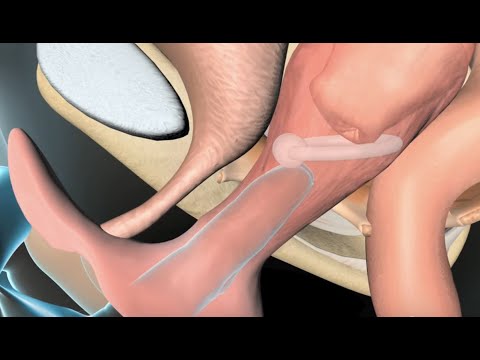
Lifespan and comfort with vaginal pessaries are important topics for many women experiencing pelvic support issues. A vaginal pessary is essentially a device that sits inside the vagina to help support pelvic organs. They’re usually made from silicone or a similar material, making them flexible yet sturdy.
Women often use pessaries for conditions like pelvic organ prolapse, where organs such as the bladder or uterus sag due to weakened muscles. Think of it as a supportive cushion—like a brace for your knee—that helps hold things in place.
Pessary Longevity
The lifespan of a pessary can vary depending on its type and care. Some can last several years with proper maintenance, but generally, they should be replaced every 6 to 12 months. That’s kinda like changing out your toothbrush; it’s important to keep things fresh.
Regular check-ups with a healthcare provider ensure that the pessary still fits well and is functioning correctly. It also allows for any necessary adjustments or replacements.
Comfort Levels
Comfort when using a pessary is paramount. If you’re uncomfortable or feeling any pain, it might not be fitted correctly. Some women describe it like wearing an ill-fitting shoe; it just doesn’t feel right. The key is finding the right size and type for your body.
Many women report improved quality of life after starting use of a pessary since it can reduce discomfort caused by prolapse symptoms. Still, it’s crucial to communicate any issues you experience to your care provider.
Caring for Your Pessary
Cleansing is really important! Most health professionals recommend rinsing the pessary daily with mild soap and water, which helps prevent infections. Think of it as tidying up after yourself; keeping things clean reduces risks!
A lot of women find using water-based lubricant helpful when inserting or removing their pessaries—just like using lotion for dry skin makes everything smoother.
Potential Risks
While pessaries are generally safe, there are potential risks involved like irritation or infection if not cared for properly. It’s essential to pay attention to any unusual symptoms such as increased vaginal discharge or discomfort.
If you ever feel unsure about how you’re feeling down there just talk with your healthcare provider—they’re there to help sort things out! Don’t hesitate; open lines of communication are always better than suffering in silence.
A Final Note
The journey with vaginal pessaries can be quite personal but also empowering. It’s about finding options that work specifically for you and improving overall comfort and well-being. Remember that everyone’s experience can differ based on individual circumstances!
Your comfort matters! Pay attention to how your body feels and seek guidance whenever needed—it’s totally okay not knowing all the answers at once!
Understanding the Challenges of Pessary Use: The Most Frequent Complication Explained
Understanding the Challenges of Pessary Use
Pessaries are devices placed inside the vagina to support pelvic organs. They’re often used for conditions like pelvic organ prolapse or urinary incontinence. Many people find relief using them, but there are challenges to consider.
Common Complications
One of the most frequent issues with pessary use is discomfort. Some individuals might feel pressure or even pain, especially if the pessary isn’t fitted correctly. It’s kind of like wearing shoes that are too tight; it can get really uncomfortable after a while.
Another complication is irritation or infection. The vagina normally has a delicate balance of bacteria, and introducing a foreign object can disrupt this balance. Just think about how your skin reacts when you wear a band-aid too long—it can get red and irritated.
Managing Discomfort
If discomfort occurs, it’s crucial to follow up with your healthcare provider. They may suggest adjusting the size or type of pessary you’re using. Sometimes, that small change can make a world of difference.
Caring for Your Pessary
Proper care is essential to minimize risks. Regular cleaning with mild soap and water helps prevent infections. It’s kind of like brushing your teeth; daily care keeps problems at bay!
Signs to Watch For
If you notice unusual symptoms—like unusual discharge or persistent pain—it’s important to reach out for help quickly. Ignoring these signs isn’t advisable because complications could arise from untreated issues.
The Importance of Follow-ups
Regular check-ins with your healthcare provider are super important. They can assess how well the pessary is working and ensure that it’s not causing any problems you might not even be aware of yet.
A Final Note on Expectations
Pessaries can be an effective non-surgical option for many individuals, but they aren’t without their challenges. It’s vital to keep an open line of communication with healthcare professionals as you navigate fitting and managing a pessary.
At the end of the day, it’s all about finding what works best for you and ensuring that your health remains a priority!
Uncovering the Hidden Challenges of Using a Pessary Ring
Understanding Vaginal Pessary Rings
Hey, let’s talk about vaginal pessary rings. They’re devices made of silicone or rubber that help support the pelvic organs. But there’s more to them than meets the eye.
Common Uses
Pessaries are often used for conditions like pelvic organ prolapse and urinary incontinence. Think of prolapse as when organs like the bladder or uterus drop from their usual position. A pessary can provide support, sort of like scaffolding does for a building.
Caring for Your Pessary
Taking care of a pessary is crucial. You need to clean it regularly, usually with mild soap and water. It’s kind of like washing your hands—simple but necessary. Some people might forget to do this, leading to discomfort or infections.
Potential Risks and Challenges
Sometimes, using a pessary isn’t all smooth sailing. You might experience irritation or discomfort after wearing it for a while. It’s like putting on a new pair of shoes: they can feel great at first but become uncomfortable if they don’t fit right.
Another challenge? Some women may find it difficult to insert or remove the pessary on their own. If you’re having trouble, don’t hesitate to seek help from a healthcare provider—they’re there for that reason!
The Importance of Regular Check-ups
It’s really important to have regular check-ups if you’re using a pessary. This ensures it’s fitting well and not causing any issues inside your body. Sometimes things change over time—like how our bodies respond due to weight changes or hormonal shifts.
Debunking Myths
A common myth is that once you start using a pessary, you’ll always need one forever. That’s not necessarily true! Some women find improvement in their symptoms over time without needing long-term use.
You might also hear that all pessaries are uncomfortable; that’s not always accurate either! Many people adapt well once they find the right fit and learn proper use.
A Personal Journey
If someone close to you uses a pessary ring, listening can make all the difference. Each experience is unique, just as each individual’s anatomy is different too!
The Bottom Line
Pessary rings can be beneficial, but they come with challenges and risks too—it’s important to stay informed and proactive about your health needs!
Understanding Vaginal Pessary Rings: Uses, Care, and Risks
Vaginal pessary rings are often a topic less discussed but incredibly important for many women. They serve multiple purposes, mainly offering support for pelvic organ prolapse. This condition happens when pelvic organs like the bladder or uterus drop from their normal position due to weakened muscles. Think of a pessary as a supportive pillow that helps keep everything in place.
Using a vaginal pessary can be quite beneficial. It provides non-surgical relief, which is ideal for those who might not be ready for surgery or want to avoid it altogether. It’s especially helpful for older women or those with certain health conditions that make surgery riskier.
Care and Maintenance
Caring for a vaginal pessary is crucial. Regular cleaning should become part of your routine—typically once a week or as advised by your healthcare provider. Mild soap and water are usually sufficient; your goal is to keep it free from bacteria while ensuring comfort during use.
It’s also important to remove the pessary regularly, even if you’re comfortable with it in place. This helps prevent irritation and maintains good vaginal health. You may need guidance on how to insert and remove it properly; don’t hesitate to ask your healthcare provider if you’re unsure.
Potential Risks
No medical device is without risks, right? Vaginal pessaries can cause some complications like irritation or infection if not used correctly. Some women may experience difficulty when trying to remove them, which can lead to increased anxiety about their use.
Always pay attention to any unusual symptoms, such as increased pain or discharge, and consult with your doctor promptly if they arise. Keeping open lines of communication with healthcare providers enhances safety and effectiveness when using a pessary ring.
In short, understanding this tool helps improve quality of life for many women experiencing pelvic issues. Knowledge about uses, care requirements, and potential risks leads to informed choices—always an empowering step towards better health!