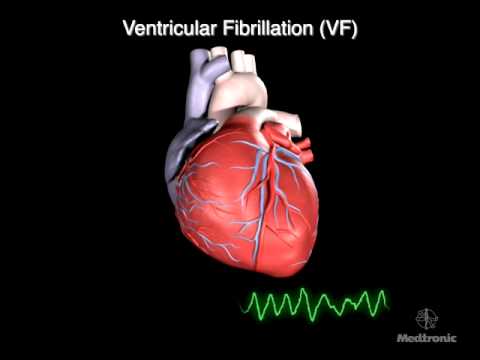
The heart is like a finely tuned orchestra, with each part playing its role to create a beautiful symphony of life. But what happens when that orchestra goes off-key? That’s where ventricular fibrillation (VF) comes in—a serious and chaotic condition that signals the heart is in distress.
Imagine your heart as a bustling downtown intersection, with cars (or signals) smoothly directing traffic. In ventricular fibrillation, the traffic lights go haywire, causing confusion and chaos. Instead of pumping blood effectively, the heart quivers aimlessly, which can lead to severe consequences if not treated quickly.
Understanding VF isn’t just for medical professionals; it’s vital for everyone. Recognizing the signs and knowing how to respond can be lifesaving. As you explore this topic further, keep in mind that knowledge from various perspectives—doctors, nurses, emergency responders—can deepen your understanding.
It’s crucial to approach information on ventricular fibrillation responsibly. Relying solely on one source may lead you astray amidst the complex world of health advice. Engage with healthcare providers and reputable resources to get a comprehensive view. Your heart deserves informed care!
The information provided in this article is intended solely for general informational and educational purposes. It does not constitute medical advice, diagnosis or professional treatment, and should not be considered a substitute for consultation with a qualified doctor or other licensed healthcare professional. Any health-related decisions should be made in consultation with accredited medical professionals.
While efforts have been made to ensure the information is accurate and up to date, no guarantees are given—either express or implied—regarding its accuracy, completeness, currency or suitability. Use of this information is at your own discretion.
It is strongly recommended to consult official sources such as the NHS (National Health Service) or other recognised medical institutions before acting on any information contained on this website or article. Under no circumstances should professional medical advice be ignored or delayed due to content read here.
This content is of a general and informational nature only. It is not intended to replace individualised guidance from a healthcare professional or to establish any doctor-patient relationship. The publication of this information does not imply any professional responsibility, guarantee or obligation on the part of the author or this site.
Unraveling the Chaos: Understanding the Heart’s Response in Ventricular Fibrillation
Understanding how the heart behaves during a crisis can be quite fascinating. One of those critical moments is known as ventricular fibrillation (VF). It’s like the heart’s rhythm has gone completely haywire.
In a normal heart, electrical signals travel in a coordinated manner. This keeps the heartbeat steady and efficient. But during VF, these signals become chaotic. Instead of pumping blood effectively, the heart starts quivering, almost as if it’s having a seizure.
This disorganized activity prevents the heart from supplying oxygen-rich blood to vital organs. Think of it like a pump that is supposed to push water out but instead just shakes without delivering anything.
Key points about ventricular fibrillation:
When VF happens, every second counts. Without immediate action, brain damage can occur in just a few minutes due to lack of oxygen.
One common mistake is thinking that VF always comes with symptoms you can notice right away. Sometimes it strikes without warning or obvious signs.
Defibrillation is one critical intervention during VF. It’s like giving the heart an electric shock to reset its rhythm. This can jumpstart the heart back into a normal rhythm when performed quickly.
However, not everyone knows how to respond in such emergencies. It’s essential for people to learn CPR and how to use an Automated External Defibrillator (AED). These tools save lives by keeping blood flowing until professional help arrives.
Things to remember:
Despite its seriousness, understanding ventricular fibrillation helps demystify this frightening experience. Knowledge empowers us all to take action when needed and advocate for our health and safety.
Decoding the Unruly Heartbeat: Identifying Ventricular Fibrillation on an ECG
Ventricular fibrillation (VF) is a serious heart condition. It happens when the heart’s electrical signals go haywire. Instead of the heart beating in a steady rhythm, it quivers ineffectively. This prevents blood from being pumped to vital organs.
Recognizing VF on an electrocardiogram (ECG) can be lifesaving. An ECG is a test that records the heart’s electrical activity. In case of VF, the ECG shows chaotic and irregular waves. Unlike normal rhythms, these waves do not have a clear pattern.
Key characteristics of ventricular fibrillation in an ECG:
Imagine trying to listen to music from a badly tuned radio. Instead of clear notes, you hear static and noise. That’s similar to what happens in VF on an ECG.
VF often results from other heart issues like coronary artery disease or previous heart attacks. It is considered a medical emergency since it leads to sudden cardiac arrest if untreated.
Immediate action is crucial when someone has VF. The best response is cardiopulmonary resuscitation (CPR) combined with defibrillation—an electric shock that can reset the heart’s rhythm.
This situation highlights the importance of knowing CPR and having access to automated external defibrillators (AEDs). These devices are designed for use by laypeople in emergencies.
It’s also important to talk about myths surrounding heart health. Many believe that only older individuals need to worry about VF. However, it can affect people at any age due to various risk factors including genetics and lifestyle choices.
To stay informed about your heart health, consider regular check-ups such as stress tests or echocardiograms if recommended by a healthcare provider. Keeping track of blood pressure and cholesterol levels also plays a role in maintaining good heart health.
Stay mindful of symptoms like chest pain, shortness of breath, or extreme fatigue—they may signal underlying issues needing attention.
Understanding these concepts encourages proactive engagement with your health choices. Always seek professional guidance for personalized advice tailored specifically for you and your unique circumstances.
Exploring the Unraveled Rhythm: How Fibrillation Disrupts Heart Function
The heart is a remarkable organ that pumps blood throughout the body. It does this with a series of coordinated electrical signals. But sometimes, these signals can go awry, leading to a condition known as fibrillation.
Fibrillation occurs when the heart’s rhythm becomes chaotic and disorganized. This can happen in two main areas: the atria (the upper chambers) and the ventricles (the lower chambers). When we talk about ventricular fibrillation, we are focusing on the lower chambers of the heart.
During ventricular fibrillation, instead of pumping blood effectively, the ventricles quiver or twitch rapidly. Imagine trying to shake a bottle of soda vigorously. That chaos leads to fizzing but no actual pouring out of liquid. Similarly, in ventricular fibrillation, blood isn’t effectively pushed out to your body.
This disruption can quickly lead to serious consequences. Without timely intervention, ventricular fibrillation can cause cardiac arrest, meaning that the heart stops beating altogether. This is why it’s crucial for bystanders to recognize signs like sudden collapse or lack of pulse.
Here are some key points about ventricular fibrillation:
Understanding how electrical signals work in your heart helps you appreciate its complexity. It’s similar to an orchestra; if one musician plays offbeat, it throws off the entire performance.
There are many myths surrounding heart health and fibrillation too. Some people think they’re too young for it or believe it only happens during extreme activity. The reality is anyone can experience these issues at any age or activity level.
Maintaining a healthy lifestyle—like staying active and eating well—can help keep your heart rhythms steady but cannot guarantee prevention against all issues related to fibrillation.
It’s important to pay attention to your body’s signals. If you experience unexplained symptoms related to your heartbeat or feel unusual fatigue, don’t hesitate to seek help from medical professionals for further evaluation.
In summary, understanding how fibrillation affects heart function prepares us better for recognizing emergencies when they arise and motivates us toward healthier habits overall.
Understanding ventricular fibrillation (VF) is crucial because it represents a severe disruption in the heart’s normal rhythm. The heart has its electrical system, which coordinates the pumping action of its chambers. When this system malfunctions, it can lead to chaotic heartbeats known as fibrillation.
In VF, the lower chambers of the heart, or ventricles, quiver ineffectively instead of contracting properly. This means that blood isn’t being pumped to the rest of the body. Think of it like a malfunctioning pump in a water fountain; even if everything else is fine, if the pump doesn’t work, there’s no water.
Recognizing VF quickly is vital since it can lead to cardiac arrest within minutes. The signs often include sudden collapse and loss of consciousness. Acting fast—calling emergency services and starting CPR immediately—can save lives.
Education around VF also helps dispel common myths. For instance, some people believe that only older adults are affected by serious heart issues. However, VF can occur in anyone, including athletes. This underlines the importance of awareness and preparedness.
Moreover, understanding VF emphasizes the value of public access defibrillators (AEDs). These devices can restore a normal heartbeat if used promptly during an emergency. Knowing where to find an AED could be as critical as knowing how to perform CPR.
In summary, understanding ventricular fibrillation is not just for medical professionals; it’s important for everyone. Awareness leads to faster responses and potentially saves lives during critical health emergencies.