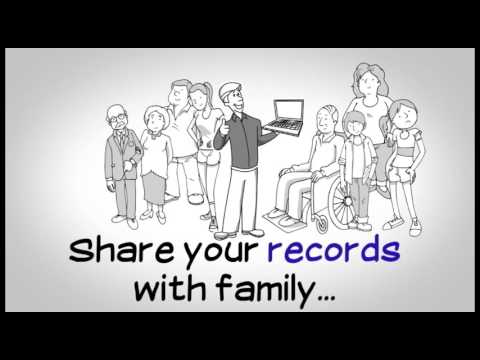
Have you ever wondered what’s in your medical records? Think of them as a personal treasure chest of health information, containing everything from your vaccinations to lab results. Unlocking these records can empower you to take charge of your health. It’s like having a map that guides you through your own wellness journey.
Accessing your medical records allows you to understand past diagnoses, treatments, and even preventive measures for future care. This knowledge can lead to better communication with healthcare providers and more informed decisions about your treatments.
However, as exciting as it is to dive into this valuable information, it’s crucial to approach the process with care. Consider seeking guidance from various specialists—perhaps a family doctor or a healthcare advocate—who can help navigate any complexities.
Warning: Trusting only one source for health information can lead to misunderstandings or misinterpretations. Be sure to consult multiple reputable sources and experts when unlocking your medical records. Your health is too important not to have all the facts!
The information provided in this article is intended solely for general informational and educational purposes. It does not constitute medical advice, diagnosis or professional treatment, and should not be considered a substitute for consultation with a qualified doctor or other licensed healthcare professional. Any health-related decisions should be made in consultation with accredited medical professionals.
While efforts have been made to ensure the information is accurate and up to date, no guarantees are given—either express or implied—regarding its accuracy, completeness, currency or suitability. Use of this information is at your own discretion.
It is strongly recommended to consult official sources such as the NHS (National Health Service) or other recognised medical institutions before acting on any information contained on this website or article. Under no circumstances should professional medical advice be ignored or delayed due to content read here.
This content is of a general and informational nature only. It is not intended to replace individualised guidance from a healthcare professional or to establish any doctor-patient relationship. The publication of this information does not imply any professional responsibility, guarantee or obligation on the part of the author or this site.
Unlocking Your Health History: A Simple Guide to Accessing Your Medical Records
Accessing your medical records can be a valuable step in managing your health. It’s like having a roadmap that guides you through your medical journey. Knowing what’s in your history empowers you to make informed choices.
First, let’s understand what medical records actually are. They contain information about your health history, treatments, lab results, and medications. Think of it as your personal health diary that doctors keep for you.
Here’s a simple guide on how to unlock those records:
Once you have access, take some time to review what’s in there. It might feel overwhelming at first, but look for key details like allergies and past surgeries.
Remember that mistakes can happen in records too! If you spot any inaccuracies, contact the provider immediately to correct them.
Having access to your medical history is like being in control of the steering wheel on a road trip—you decide where to go based on past experiences.
In conclusion, unlocking your health history is an important step towards taking charge of your well-being. Don’t hesitate to ask questions if something doesn’t seem right or if you’re confused about any aspect of the process.
Always remember: knowledge is power when it comes to maintaining and improving your health!
Unlocking Your Health: The Right to Your Medical Records
Understanding your right to access your medical records is important for taking charge of your health. Your medical records contain valuable information about your health history, treatments, and medications.
Think of them like a personal diary of your health journey. Just like you would want to know what’s written about you in a diary, it’s essential to understand what’s recorded in these documents.
1. You Have the Right: In many countries, laws give you the right to access your medical records. This means you can request them from healthcare providers whenever you need.
2. Why It Matters: Having access to your medical records helps you stay informed. It allows you to review past diagnoses, reflect on treatment options, and prepare for future appointments.
3. How to Request Them: Contacting your healthcare provider is usually the first step. You might need to fill out a form or submit a written request that includes some personal details like your name and date of birth.
4. Expect Some Time: After requesting, it may take a little while to receive your records. Healthcare facilities often have processes in place that can take days or even weeks.
5. Keep It Safe: Once you have access to your records, it’s crucial to keep them secure. Like any personal information, they should be protected from unauthorized access.
There are also myths surrounding this topic that deserve attention. Some people believe that requesting their medical records will upset their doctor or lead to negative consequences. This isn’t true; accessing your own information is completely within your rights.
Another myth is that only professionals should read these documents because they are too complex for most people to understand. While there can be technical language involved, many components are straightforward with a little patience and guidance.
In summary, knowing how to unlock and understand your medical records empowers you as a patient.
Making informed decisions becomes easier when you’re aware of what’s in those important documents! Always remember: knowledge is key in managing and understanding our own health.
Simplifying the Process of Accessing Your Health Information
Accessing your health information is an important right. It helps you understand your medical history and make informed choices. The process, however, can sometimes feel complicated. Let’s simplify it together.
First, it’s good to know that you have the right to your medical records. Think of it like owning a book about your health journey. You can request it anytime.
To start, identify where your records are kept. Most likely, they’re at your primary care doctor’s office or hospital. It’s similar to knowing where a library holds the books you want to read.
Next, you’ll need to submit a request for access. This can often be done online or through paper forms. Some places may ask for identification to confirm it’s really you asking for the info.
Here are a few tips for successfully getting your records:
Sometimes there might be fees involved, especially if you’re requesting copies by mail or need them expedited. But always ask upfront about any costs.
It’s also important to know that certain information might be withheld for privacy reasons. This could include mental health notes or sensitive data about substance use.
Once you receive your records, take some time to review them carefully. Look for any discrepancies or things that don’t seem right—it’s okay to question anything unclear.
Remember that understanding this information is key for managing your health effectively. If something confuses you in the records, don’t hesitate to reach out back to the healthcare provider for clarification.
Lastly, keep in mind that laws about accessing medical records can vary by location and provider. Familiarizing yourself with local regulations can help make the process smoother.
By taking these steps, accessing your health info becomes much clearer and more manageable! Your health is worth this effort—after all, knowledge is empowering!
Unlocking your medical records can feel daunting, but understanding this process is a key step towards taking charge of your health. Many people are unaware that they have the right to access their own medical information. This empowerment allows for more informed decisions regarding treatment and care.
Accessing your records is not just about curiosity; it’s about participation in your healthcare journey. When you know your medical history, medications, and allergies, you can communicate more effectively with healthcare providers. Think of it like having a detailed map before embarking on a journey—knowing where you’ve been helps guide where you want to go.
It’s important to remember that while electronic health records have made retrieval easier, not all systems work the same way. Each provider may have different processes in place. Checking if there are any forms to fill out or requests to submit is essential.
Here are some key points to keep in mind:
By unlocking your medical records, you’re taking an important step towards becoming an active participant in managing your health. It may seem small at first glance, but this knowledge can lead to significant impacts on your well-being over time.