The information provided in this article is intended solely for general informational and educational purposes. It does not constitute medical advice, diagnosis or professional treatment, and should not be considered a substitute for consultation with a qualified doctor or other licensed healthcare professional. Any health-related decisions should be made in consultation with accredited medical professionals.
While efforts have been made to ensure the information is accurate and up to date, no guarantees are given—either express or implied—regarding its accuracy, completeness, currency or suitability. Use of this information is at your own discretion.
It is strongly recommended to consult official sources such as the NHS (National Health Service) or other recognised medical institutions before acting on any information contained on this website or article. Under no circumstances should professional medical advice be ignored or delayed due to content read here.
This content is of a general and informational nature only. It is not intended to replace individualised guidance from a healthcare professional or to establish any doctor-patient relationship. The publication of this information does not imply any professional responsibility, guarantee or obligation on the part of the author or this site.
Have you ever found yourself gasping for breath during a workout, wondering if you’re pushing too hard? You’re not alone. Many people struggle with finding the right balance in exercise intensity. It’s tricky! But what if I told you that there’s a simple way to gauge if you’re working out at the right level? That’s where the Talk Test comes in.
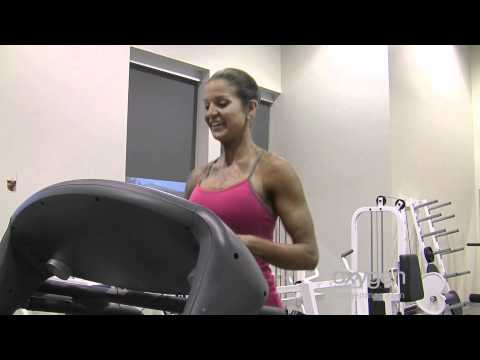
The Talk Test is an easy, non-scientific method to help determine how hard you’re exercising. Basically, it revolves around your ability to hold a conversation while moving. It’s something most of us can relate to—think about chatting with a friend during a brisk walk or jog.
This article will explain how to use the Talk Test for safe and effective workouts. We’ll explore how it works and why it matters for your fitness journey. Remember, this content is meant to guide you, but it doesn’t replace professional medical advice. Always consult a healthcare provider when making health decisions.
Discover the Key to Measuring Your Workout Intensity Through Simple Conversations
The Talk Test: What Is It?
The Talk Test is a simple way to measure how hard you’re working out. It’s based on a pretty straightforward concept: if you’re exercising, you should be able to chat comfortably. If you can’t talk without gasping for air, you might be pushing too hard.
Why Use the Talk Test?
You know, sometimes it’s tough to gauge how hard you’re really working when you’re caught up in the moment. The Talk Test provides a really accessible way to understand exercise intensity. It’s less about fancy gadgets and more about listening to your own body.
How Does It Work?
- Light Intensity: You can effortlessly converse while walking or doing some light yoga.
- Moderate Intensity: You can still chat but might need to pause occasionally for breath—think brisk walking.
- Vigorous Intensity: Talking feels impossible unless you take a breath; this is like running or doing high-intensity interval training (HIIT).
Real-Life Example
Picture yourself at the gym. You’re lifting weights and feel good—until your friend walks over and starts chatting. If you find yourself struggling, it might be time to ease off just a bit.
Caveats of the Talk Test
The thing is not everyone will experience exercise intensity in the same way. Factors like age, fitness level, and even environment can affect how we breathe during activity. So, keep that in mind!
A Better Understanding of Your Limits
This test isn’t just one-size-fits-all; it helps you find your own sweet spot for workout intensity. Finding that balance promotes consistency and avoids burnout or injury.
When Should You Challenge Yourself?
If you’ve been sticking with moderate workouts and feel like you’ve plateaued, maybe cranking up the intensity could work for you—if it feels right! Simply check back with your breathing patterns during chats.
Listening To Your Body
Your body’s signals are key here! Sometimes they tell more than any device could. So use this technique as a guideline rather than an absolute measure of your limits.
Misinformation Surrounding Exercise Intensity
A common myth is that working out harder means getting better results instantly. But this isn’t always true! Consistency often trumps sheer effort when it comes to long-term fitness success.
The Takeaway
The Talk Test is not only practical but also empowers you to listen closely to what your body needs during workouts—it’s like having a built-in coach without the whistle!
Discover how the Talk Test can enhance your workout experience and boost your fitness results.
Understanding the Talk Test
The Talk Test is a simple method that can help you figure out how hard you’re working during exercise. It’s a way to monitor your intensity without needing fancy gadgets or equipment. Honestly, it’s just about how comfortable you are talking while working out.
How Does It Work?
You know how when you’re exercising, there’s a level of effort that starts to feel challenging? The Talk Test helps identify that zone. Basically, if you can talk comfortably, you’re probably in a moderate-intensity zone. If you’re breathing heavy and can only manage short phrases, well then you’re in a more vigorous zone.
Moderate vs. Vigorous Intensity
So what’s the difference? In moderate intensity, your heart rate is elevated but not through the roof. You might be jogging or briskly walking. You can still chat with a friend but may need to catch your breath occasionally.
On the other hand, vigorous intensity feels like an uphill battle—your heart’s racing! A good example would be running or cycling fast enough where talking really interrupts your rhythm.
Why Use the Talk Test?
This test is great because it doesn’t require any equipment! Many folks don’t have access to heart rate monitors or fitness trackers. Plus, it encourages listening to your body and understanding its signals.
If you’re looking to boost your fitness results and enhance workout experience, keeping track of how much effort you’re putting in can help guide your choices during exercise.
An Example Scenario
Imagine you’re at the gym on an elliptical machine. If you start chatting with someone nearby easily while pedaling away—you’re likely at that sweet moderate spot! But if suddenly, after increasing resistance just a bit more, conversation becomes tricky—you’ve moved into vigorous territory!
A Few Tips for the Talk Test
- Warm up first before diving into this test.
- Try varying paces; switching between moderate and vigorous keeps things interesting!
- If alone, consider recording yourself speaking; this could make for fun feedback later!
Misperceptions About Exercise Intensity
A common myth is that only pushing yourself until exhaustion equals effective workouts. The thing is—training smartly is just as important as training hard! Knowing when to ease off allows recovery and reduces injury risks too.
The Bottom Line
The Talk Test is about finding balance and understanding your body better during workouts. It’s approachable and fits right into various activities—from cycling to aerobics classes. Just remember: everyone’s different; some might feel comfortable with different levels of exertion!
Unlocking the Secrets to Finding Your Perfect Workout Intensity
Understanding Workout Intensity
Finding the right intensity for your workouts can be really challenging. You want to push yourself but not overdo it, right? The “Talk Test” is a handy tool that can help you figure this out.
What is the Talk Test?
The Talk Test is based on a simple idea: if you’re working out and can still hold a conversation, you’re likely at a safe intensity. If you’re puffing so much that talking is tough, then you’ve probably crossed into a more intense zone.
How Does it Work?
Let’s break it down. When you exercise, your body needs more oxygen. At lower intensities, like walking or light jogging, talking should feel pretty easy. If you’re doing something more strenuous like sprinting or heavy lifting, chatting might feel impossible.
Using the Talk Test
- Warm-Up: Start with an easy pace to see how your body feels.
- Increase Intensity: Gradually up the challenge as you warm up.
- Check Your Breathing: Try to talk during your workout. If it’s hard to speak in full sentences, slow down just a bit.
Areal-Life Example
You know, imagine you’re jogging with a friend. At first, you both can chat about anything – maybe weekend plans or favorite movies! As you pick up speed and start feeling warmer and breathless, talking becomes shorter and more breathy like “Yeah! That sounds fun!” If it gets too tough to talk at all, take the pace down just a notch.
The Balance of Exercise
This balance of pushing yourself while staying comfortable is key to enjoying fitness without feeling wiped out later on. It helps prevent injuries too. Think of it as finding that sweet spot where you’re challenged but still having fun!
Mistakes to Avoid
- Avoid comparing yourself to others; everyone’s fitness level is different.
- If you’re always at max effort—consider dialing it back sometimes!
- Dismissing how you’re feeling; listen to your body first and foremost.
The Bottom Line
The Talk Test offers practical guidance for figuring out if you’re on track with workout intensity. By focusing on how easy or hard it is to converse while exercising, you’ll get better at knowing when it’s time to push harder or ease off.
This way of gauging intensity aids in making your workouts more enjoyable and sustainable! Remember that consistency matters most in building fitness over time—so find what works for *you* and stick with it!
Reflection on Using the Talk Test for Safe and Effective Exercise Intensity
The Talk Test is a simple yet effective tool for determining exercise intensity. It’s based on the idea that during moderate-intensity activities, you’re able to hold a conversation, but at higher intensities, you find it difficult to speak more than a few words at a time. This concept resonates with many because, let’s be honest, we’ve all been there: gasping for breath after intense physical effort.
This method works well for various fitness levels. It removes the need for complicated heart rate monitors or apps, making it accessible to everyone. You just check in with your own body and how you feel. If you’re huffing and puffing but can still chat about your favorite Netflix show, you’re likely in that sweet spot.
However, there are limitations. The Talk Test might not be precise enough for elite athletes or individuals with specific health conditions. They might need more detailed assessments to monitor their exertion levels accurately. It’s also important to remember that hydration and fatigue can affect your ability to talk while exercising.
Overall, integrating the Talk Test into workout routines fosters a greater awareness of one’s physical state. It encourages people to listen to their bodies and adapt their exercises accordingly—not just pushing through exhaustion but recognizing when it’s time to slow down or ramp up.
Incorporating this simple method could promote healthier exercise habits while minimizing injury risks. Ultimately, making fitness enjoyable rather than daunting can lead people toward long-term success in their active lifestyles.