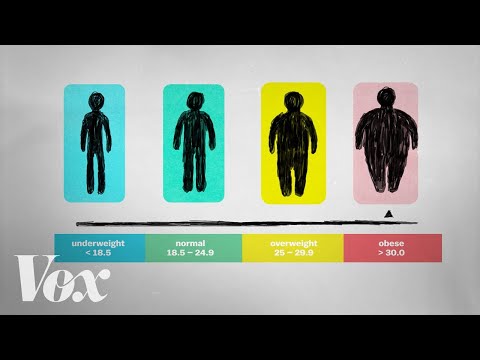
Weight loss is a journey many of us embark on for various reasons. Perhaps we want to feel more energetic, improve our health, or simply fit into an outfit that has been hiding in the back of the closet. Understanding Body Mass Index (BMI) can be one tool along this journey, providing a simple way to gauge whether your weight is in a healthy range for your height.
BMI is like a starting point in your health map. It takes your weight and height and turns those numbers into a score that falls into categories such as underweight, normal weight, overweight, and obesity. However, it’s essential to remember that this number is only one piece of the wellness puzzle. Factors like muscle mass, bone density, and overall body composition also play vital roles in determining your true health.
As you explore weight loss methods or consider changes to your lifestyle, approach with curiosity and caution. Seek information from numerous reliable sources—like registered dietitians or fitness experts—and don’t hesitate to delve into different media platforms to get a well-rounded view on the subject.
Warning: Be wary of quick-fix solutions or fad diets promising miraculous results; they often lead to disappointment and could harm your body’s natural rhythms. Prioritize sustainable practices that nurture both mind and body over chasing after arbitrary numbers on a scale or focusing solely on BMI. Remember, every individual’s health journey is unique—take the time necessary to find what really works for you!
The information provided in this article is intended solely for general informational and educational purposes. It does not constitute medical advice, diagnosis or professional treatment, and should not be considered a substitute for consultation with a qualified doctor or other licensed healthcare professional. Any health-related decisions should be made in consultation with accredited medical professionals.
While efforts have been made to ensure the information is accurate and up to date, no guarantees are given—either express or implied—regarding its accuracy, completeness, currency or suitability. Use of this information is at your own discretion.
It is strongly recommended to consult official sources such as the NHS (National Health Service) or other recognised medical institutions before acting on any information contained on this website or article. Under no circumstances should professional medical advice be ignored or delayed due to content read here.
This content is of a general and informational nature only. It is not intended to replace individualised guidance from a healthcare professional or to establish any doctor-patient relationship. The publication of this information does not imply any professional responsibility, guarantee or obligation on the part of the author or this site.
Understanding the Connection Between Weight Loss and BMI Changes
Understanding the relationship between weight loss and BMI can feel confusing. Let’s break it down simply.
BMI, or Body Mass Index, is a number calculated from your weight and height. It helps categorize individuals into different weight ranges. These ranges are underweight, normal weight, overweight, and obese.
When you lose weight, your BMI typically changes too. Losing even a small amount of weight can have a noticeable impact on this number. For example, if you weigh 200 pounds and are 5’8″, your BMI is around 30. If you drop to 190 pounds, your BMI reduces to about 29.
But why does this matter? Understanding your BMI can provide insights into potential health risks. A higher BMI often correlates with increased risk for health issues like heart disease or diabetes.
However, it’s essential to remember that BMI isn’t the complete picture of health. It doesn’t account for muscle mass versus fat mass or where fat is distributed in the body. For instance, an athlete might have a high BMI but low body fat due to muscle.
It’s also common for people to focus solely on numbers on the scale or their BMI. Health should be seen as more holistic. Factors like nutrition, physical activity, sleep quality, and mental well-being play huge roles in overall wellness.
If you’re trying to lose weight for health reasons or personal goals, think about what works for you long-term. Consider
,
, and
In conclusion, track changes in weight and BMI as useful tools but don’t let them define your entire health journey. Always aim for balance—listen to your body and find what feels right for you!
Understanding Your Body: The Meaning of a 70kg BMI
Understanding your body is key to maintaining good health. One important measurement is **Body Mass Index**, or BMI. This number helps indicate whether you are at a healthy weight for your height.
BMI is calculated using your weight and height. For someone weighing 70 kilograms, BMI can vary depending on their height. The formula is simple: weight in kilograms divided by height in meters squared.
A 70kg BMI can fall into different categories based on height. For example, if you are 1.75 meters tall, your BMI would be around 22.9, which is considered normal weight.
But what does this really mean for your health?
It’s essential to remember that BMI isn’t everything. It doesn’t measure body fat directly and may not reflect muscle mass versus fat mass accurately.
For instance, an athlete may have a high BMI due to increased muscle mass, not excess fat. That’s why it’s good to look at other factors too—like waist circumference or how active you are.
Your lifestyle matters as well! Exercise and nutrition play vital roles in overall health beyond what the scale says.
If you’re working towards a healthier lifestyle or considering weight loss, think about making small changes that last over time rather than quick fixes.
Lastly, always discuss major changes with someone knowledgeable about health to get personalized advice that suits you best. Every body is unique; find what works for you!
Unlock the Simple Formula to Track Your Weight Loss Journey
Tracking your weight loss journey can feel overwhelming. However, it’s crucial for understanding how your body responds to changes in diet and activity. A consistent approach helps clarify what works for you.
One good starting point is calculating your Body Mass Index (BMI). BMI is a simple number derived from your height and weight. It serves as a rough guideline, indicating whether you’re in a healthy range. Just remember, BMI doesn’t capture everything about your health, like muscle mass or waist size.
To calculate your BMI, use this formula: weight (kg) / height (m)^2. If you prefer pounds and inches: (weight (lbs) / height (in)^2) x 703. Many websites offer easy calculators too.
Tracking daily weight is another key element. Take note of your weight at the same time each day, preferably in the morning after using the bathroom. This method reduces variables that can affect readings, like food intake or water retention.
Remember these tips when weighing yourself:
Another useful tool is a food diary. Keeping track of what you eat offers insights into habits and patterns in your diet. It’s not just about calories but also about nutrients and portion sizes.
Using apps or paper journals can help with this tracking process too. Write down meals, snacks, and any drinks consumed throughout the day.
Additionally, keep in mind that exercise plays an important role in weight loss too. Aim for a mix of cardio and strength training activities weekly to boost metabolism and maintain muscle mass.
Finally, set realistic goals to stay motivated on this journey. Small changes lead to sustainable results over time rather than quick fixes that don’t last long.
As you make these changes, be patient with yourself! Weight loss is often not linear; some weeks may show more progress than others. What matters most is consistency over time.
Always remember that tracking should serve as a tool to empower you rather than stress you out. Embrace this journey towards wellness with kindness for yourself!
Weight loss and Body Mass Index (BMI) are often discussed together, but it’s essential to understand the broader picture of health. While BMI can provide a quick snapshot of whether an individual is underweight, normal weight, overweight, or obese, it does not capture the full scope of a person’s health.
Weight loss is not just about numbers. It’s important to remember that every body is unique. Factors like muscle mass, bone density, and fat distribution play a significant role in overall health but are not reflected in BMI. For example, athletes may have a high BMI due to increased muscle mass yet have low body fat percentages.
Additionally, focusing solely on weight can lead to unhealthy behaviors.
extreme diets or excessive exercise can negatively impact mental and physical wellbeing. Building healthy habits should be the goal rather than hitting a specific number on the scale.
Moreover, BMI may not be as relevant for everyone. For instance:
and
Instead of fixating on weight or BMI alone, we should encourage a holistic approach to health. This includes nurturing mental health, prioritizing nutritious foods, being active in enjoyable ways, and fostering social connections.
In summary, while BMI can serve as one tool in assessing health risks related to weight gain or obesity, it should be considered alongside other factors. Emphasizing balanced lifestyles over scales helps promote healthier communities and individual well-being. Let’s focus more on how we feel rather than just how we look!