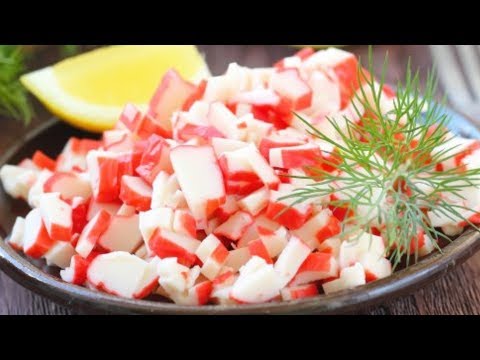
Have you ever enjoyed a delicious crab salad or sushi roll only to discover it was made with imitation crab meat? It’s a curious ingredient, often found in various seafood dishes, but what exactly is it made from? Understanding this can help you make better choices for your meals and health.
Imitation crab meat, also known as surimi, originates from fish—primarily pollock. The flesh of this fish is minced and processed to create a texture similar to real crab. After mixing it with seasonings, starches, and sometimes even artificial flavors or colors, the product takes on the familiar look and taste of crab meat. Imagine transforming a basic potato into crispy fries; that’s how surimi elevates fish into something that mimics shellfish!
However, while imitation crab can be budget-friendly and versatile in recipes, it’s crucial to know what you’re eating. Ingredients can vary by brand and may include additives that some people prefer to avoid.
Warning: It’s essential to inform yourself about imitation crab meat through various sources. Not all products are created equal; some might contain allergens like gluten or artificial ingredients that may not be suitable for everyone. Always read labels carefully and consider seeking advice from nutritionists or food specialists to ensure that your dietary choices align with your health goals. Being well-informed empowers you to make the best decisions for yourself and your loved ones.
The information provided in this article is intended solely for general informational and educational purposes. It does not constitute medical advice, diagnosis or professional treatment, and should not be considered a substitute for consultation with a qualified doctor or other licensed healthcare professional. Any health-related decisions should be made in consultation with accredited medical professionals.
While efforts have been made to ensure the information is accurate and up to date, no guarantees are given—either express or implied—regarding its accuracy, completeness, currency or suitability. Use of this information is at your own discretion.
It is strongly recommended to consult official sources such as the NHS (National Health Service) or other recognised medical institutions before acting on any information contained on this website or article. Under no circumstances should professional medical advice be ignored or delayed due to content read here.
This content is of a general and informational nature only. It is not intended to replace individualised guidance from a healthcare professional or to establish any doctor-patient relationship. The publication of this information does not imply any professional responsibility, guarantee or obligation on the part of the author or this site.
Exploring the Nutritional Benefits and Drawbacks of Imitation Crab Meat
Imitation crab meat, often found in sushi rolls and seafood salads, is a popular alternative to real crab. But what exactly is it made from? Generally, imitation crab meat is primarily made from surimi, which is a processed fish product.
Surimi originates from white-fleshed fish like pollock. The fish is deboned, washed, and then minced into a paste. This paste serves as the base for imitation crab. To this mixture, flavoring agents, starches, and sometimes colorings are added to mimic the taste and appearance of real crab.
When it comes to nutritional benefits, imitation crab meat can be lower in calories than real crab. It provides a source of protein that is often more affordable. This makes it an appealing option for those on a budget.
However, there are drawbacks to consider as well. Many types of imitation crab contain additives like preservatives and flavor enhancers. These may not be healthy if consumed frequently.
Another point to note: imitation crab typically has less omega-3 fatty acids compared to real crab. Omega-3s are important for heart health and brain function.
Moreover, it’s common for imitation crab meat to be high in sodium due to the flavoring process. High sodium intake can lead to increased blood pressure over time.
Before including imitation crab in your diet regularly, it’s wise to read labels carefully. Pay attention to the ingredients list and nutritional information.
Also keep in mind that some people may have allergies or sensitivities—especially if they’re allergic to shellfish or certain fish products used in surimi.
In summary, while imitation crab meat offers some nutritional benefits such as being low-calorie and protein-rich, it’s essential to weigh these against potential drawbacks like additives and lower omega-3 content.
By understanding both sides of the story about imitation crab meat, you can make informed choices about incorporating it into your meals responsibly!
Unveiling the Mystery Behind This Tasty Seafood Delicacy
Imitation crab meat is a popular seafood option. Many people enjoy it in sushi, salads, and even pasta dishes. But what exactly is it made from? Let’s dive into this tasty treat.
First off, imitation crab is not actual crab. It’s primarily made from a fish called surimi. Surimi is essentially fish that has been minced into a paste and then processed.
The main fish used in surimi production is often pollock, a white fish that’s mild in flavor. This fish is readily available and affordable, making it a great base for imitation products.
After the fish is processed, it undergoes several steps. Flavoring agents are added to mimic the taste of real crab. Common additions include salt, sugar, and artificial flavors derived from seafood.
Next comes the color. To make imitation crab look appealing, coloring agents are added. These mimic the pink hue of cooked crab meat.
You might be wondering about its nutritional value. Imitation crab meat tends to have less fat than real crab but also contains fewer nutrients like omega-3 fatty acids.
Here are some key points to consider about imitation crab:
While imitation crab can be a delicious alternative for seafood lovers, it’s essential to check labels for ingredients. Not all brands use the same recipes or add-ons.
In summary, imitation crab meat offers an affordable way to enjoy seafood without breaking the bank. Knowing what it’s made from helps you make informed choices when adding it to your meals!
Exploring the Surprising Ingredients Behind Imitation Crab and Its Vegetarian Compatibility
Imitation crab, often found in sushi rolls and seafood salads, is surprisingly different from real crab. Many people enjoy it for its taste and texture without realizing what goes into making it.
At its core, imitation crab is primarily made from a fish called surimi. Surimi is ground fish, usually pollock or other white fish, that is processed to create a paste. This gives imitation crab its base.
Along with surimi, various ingredients are added to enhance the flavor and mimic the texture of real crab meat. These may include:
This blend creates a product that’s affordable and versatile. Many enjoy it because it can be used in salads, sandwiches, or even stir-fries.
Now, if you’re vegetarian or looking to reduce animal products in your diet, there’s good news! Some brands of imitation crab are now being made with plant-based alternatives. These products aim to replicate the taste and appearance of traditional imitation crab but without fish.
Plant-based versions might use ingredients like:
When choosing between imitation crab options—whether traditional or plant-based—it’s important to read labels carefully. Ingredients and nutritional profiles can vary significantly between different brands.
In summary, while imitation crab might not be what you think it is, it offers an interesting option for seafood lovers and those exploring vegetarian diets alike. Always keep an eye out for new products; as consumer demand grows for plant-based foods, more innovative options are on the horizon!
Imitation crab meat, often found in sushi rolls and seafood salads, can spark curiosity about its ingredients. Understanding what it is made from can help consumers make informed choices.
Imitation crab meat primarily consists of a fish product called surimi. Surimi is fish flesh that has been washed, minced, and processed to remove fat and odor. It’s a bit like making a fine paste from fish—creating a versatile base for various foods.
To enhance flavor and texture, additional ingredients are included. Typically, these include starches, egg whites, and various seasonings. Sometimes artificial flavors and colors are added to mimic the taste and appearance of real crab.
Key Points:
While it may not be as nutritious as actual crab—which is rich in omega-3 fatty acids—it offers a lower-cost alternative with some protein content.
Ultimately, it’s essential to read labels if you have dietary restrictions or allergies since imitation crab can contain allergens like gluten or shellfish products used in processing. Knowledge about imitation crab helps us appreciate what we consume while making healthier choices based on our needs.