
The information provided in this article is intended solely for general informational and educational purposes. It does not constitute medical advice, diagnosis or professional treatment, and should not be considered a substitute for consultation with a qualified doctor or other licensed healthcare professional. Any health-related decisions should be made in consultation with accredited medical professionals.
While efforts have been made to ensure the information is accurate and up to date, no guarantees are given—either express or implied—regarding its accuracy, completeness, currency or suitability. Use of this information is at your own discretion.
It is strongly recommended to consult official sources such as the NHS (National Health Service) or other recognised medical institutions before acting on any information contained on this website or article. Under no circumstances should professional medical advice be ignored or delayed due to content read here.
This content is of a general and informational nature only. It is not intended to replace individualised guidance from a healthcare professional or to establish any doctor-patient relationship. The publication of this information does not imply any professional responsibility, guarantee or obligation on the part of the author or this site.
Have you ever felt a sharp pain in your toe after a long run? It’s more common than you might think. Many runners experience something called runner’s toe, and it can be quite bothersome. You know, that throbbing feeling in your big or second toe that just won’t go away? It can make running—or even walking—a real challenge.
This article is all about understanding runner’s toe, its symptoms, and how to treat it effectively. We’re breaking down what causes this condition and how to recognize the signs. It’s super important for anyone who enjoys running or any physical activity where your toes take a beating.
But before we dive in, remember that this content doesn’t replace professional medical advice. Health decisions are really personal, and you should always consult a healthcare professional if you’re facing issues. So let’s take a closer look at the ins and outs of runner’s toe—what it is, how to spot it, and ways you can find relief.
Simple Solutions for Finding Relief from Runners Toe at Home
Understanding Runner’s Toe
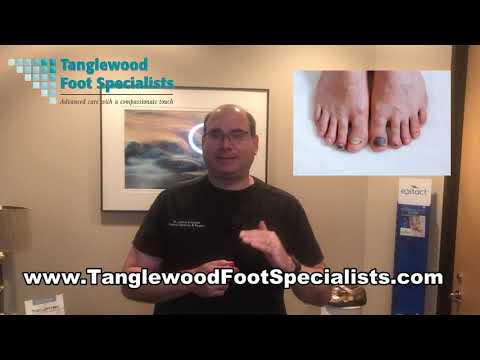
Runner’s toe, also known as subungual hematoma, is a common issue among runners and athletes. It happens when blood collects under the toenail, often due to repetitive impact or pressure. It can cause pain, swelling, and even discoloration of the nail.
Recognizing the Symptoms
So, how do you know if you’ve got runner’s toe? Some signs include:
- Pain in the affected toe
- A dark spot or bruise under the toenail
- Swelling around the nail
- A feeling of pressure beneath the nail
If you’re experiencing these symptoms after an intense run or hike, it might be time to pay attention.
Simple Home Remedies for Relief
If you find yourself with runner’s toe, there are some simple things you can try at home to ease discomfort. Remember, though, it’s always best to keep an eye on how things progress.
Caring for Your Toe
First off, make sure to rest your foot. Continuing to run on an injured toe isn’t gonna help it heal. Take a break; it’s fine.
Ice Therapy
Icing can really be helpful too. Wrap some ice in a cloth and apply it gently to your toe for about 15-20 minutes. This can reduce swelling and numb that throbbing pain.
Epsom Salt Soak
An Epsom salt soak is another popular remedy. Dissolve a few tablespoons of Epsom salt in warm water and soak your foot for about 15-30 minutes. This may help soothe pain and reduce inflammation.
Nail Care
If your toenail is really damaged or loose, trim it carefully—not too close though! Keeping your nails trimmed can help prevent further issues down the line.
Wear Proper Footwear
Your shoes matter! Make sure they fit well—there shouldn’t be any unnecessary pressure on your toes when you’re running. Sometimes new shoes can make a world of difference!
When to Seek Help?
If you’ve tried these remedies but still feel sharp pain or see worsening bruising—consider talking with someone who knows about feet! Sometimes getting professional advice might just be what you need.
The Bottom Line
Taking care of runner’s toe involves some simple steps like resting, icing, soaking in Epsom salt and trimming nails carefully—these could help ease discomfort at home. But don’t hesitate to reach out for more guidance if needed!
Find Relief and Get Back to Running Without Pain
Understanding Runner’s Toe
Runner’s toe is a common issue that many athletes face. It usually refers to pain in the toenail area, often due to repeated trauma during running.
The main cause? Well, it often arises when your toes hit the front of your shoes. This can lead to bruising or even nail loss. Imagine what happens when you bump your toe against something hard—now, picture that happening over and over again!
Symptoms of Runner’s Toe
So, how do you know if you have runner’s toe? Look for these signs:
- Pain in the big toe or other toes.
- Swelling around the nail.
- A dark spot or discoloration under the nail.
- Sometimes even a loosening nail.
If you’re experiencing any of these, it’s worth taking note. Ignoring them can lead to more serious problems down the line.
Treatment Options
The good news is that there are ways to find relief! Rest is usually a good starting point. Giving your body time to heal can help ease pain and prevent further injuries.
You might also consider icing your toes for about 15-20 minutes at a time. A cold pack can reduce swelling and numb some of that discomfort—just don’t forget to wrap it in a cloth!
Footwear Matters
You know what’s crucial? Your running shoes! Make sure they fit properly; they shouldn’t be too tight. Tight shoes increase pressure on your toes and can worsen symptoms. Look for shoes with ample room in the toe box—this helps prevent those painful bumps against the shoe top.
Prevention Strategies
If you want to get back into running without pain, prevention makes all the difference. Here are some strategies:
- Wear moisture-wicking socks; they keep your feet dry and reduce friction.
- Cut your toenails regularly—a little short can help avoid injuries from hitting the shoe front.
- Avoid increasing distance too quickly; give yourself time to build up stamina without overdoing it!
When To Seek Further Help
If symptoms persist, consulting someone experienced would be wise. Sometimes, complications can arise, needing more than just at-home remedies.
Your Journey Back to Running
The path back to running should feel rewarding—not painful! With some minor adjustments and proper care, you could find yourself enjoying those runs again soon enough. Listen to your body—it usually knows best!
Understanding the Recovery Timeline for Runners Toe
Understanding the Recovery Timeline for Runner’s Toe
Runner’s toe, also known as subungual hematoma, is a common issue among runners. It happens when blood collects under the toenail due to trauma. This can be painful and sometimes looks pretty alarming. But understanding what to expect during recovery can really help.
What Are the Symptoms?
The main signs of runner’s toe include pain in or around the toenail, swelling, and discoloration—often a dark purple or black spot under the nail. Sometimes, it may feel like your toe is throbbing, especially after a long run.
Immediate Care
If you find yourself with runner’s toe, applying ice to the affected area can help reduce swelling and pain. Elevating your foot is also useful. But it’s important not to ignore it; if you have severe pain or pus coming from the nail, seeking medical attention might be necessary.
Recovery Timeline
The recovery time varies widely depending on how severe your case is. If it’s a mild injury, you might feel better in just a few days. However, if there’s significant bruising and damage, it could take weeks—or even months—for your toenail to grow out fully.
- First Few Days: Initial pain and swelling will usually peak within 48 hours.
- 1-2 Weeks: Bruising starts fading; pain should decrease significantly.
- 4-6 Weeks: For more serious cases, new nail growth begins while old nail may still be painful.
- 6 Months: Complete recovery often takes this long for some people as toenails grow slowly.
Caring for Your Toe
If you’re managing runner’s toe at home, keep an eye on things like cleanliness and look for any signs of infection—redness or increased pain are red flags. Wearing open-toed sandals or shoes with a little room can prevent additional pressure on that sore spot while it heals.
Avoiding Future Issues
You know what helps? Proper footwear! Make sure your running shoes fit well and provide enough space in the toe box. Sometimes investing in better shoes can make all the difference.
Avoiding downhills during runs or taking breaks when needed also helps keep pressure off those delicate toenails.
Regular foot care can go along way do prevent injuries too!
The Bottom Line
Your body needs time to heal after runner’s toe—so be patient with yourself! While life may slow down for a bit during recovery, listening to that body of yours will set you up as ready as possible when you’re back on those trails again.
Understanding Runner’s Toe
Runner’s toe is a common issue among athletes, especially runners. It usually refers to a condition known as subungual hematoma, which occurs when blood collects under the toenail. This often results from repetitive trauma, like the pressure of running long distances.
Symptoms
The main symptom is pain in the affected toe, alongside swelling and discoloration. You might notice a dark spot under your toenail, which tends to be pretty alarming but typically isn’t serious.
It’s essential to differentiate runner’s toe from other nail issues. If you have intense pain or the nail seems to be falling off, it’s wise to consult a healthcare provider.
Treatment Options
Treatment can vary depending on severity. For mild cases, simply resting and ice can help reduce pain and swelling. Elevating your foot is also beneficial.
If blood accumulates significantly, drainage might be necessary. A healthcare professional can gently relieve pressure by creating a small hole in the nail. It sounds scarier than it is—it’s usually quick and offers instant relief!
Prevention Strategies
To avoid runner’s toe, ensure your shoes fit properly—there should be about half an inch between your longest toe and the front of the shoe. Also, consider using moisture-wicking socks to keep your feet dry.
This issue serves as a reminder for all runners to listen to their bodies. Ignoring persistent pain isn’t helpful in the long run!
In essence, staying informed about symptoms and preventative measures can make all the difference for running enthusiasts.


