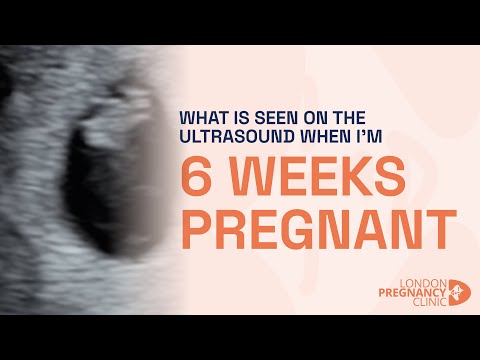
Hearing your baby’s heartbeat for the first time is a magical moment. It’s like discovering a tiny drummer playing an enchanting rhythm of life inside you. This sound can spark joy and bring a deep sense of connection to your growing baby, turning abstract dreams into a real, beating heart.
Most expectant parents wonder, “When will I first hear that beautiful sound?” Generally, during an ultrasound between 6 to 8 weeks of pregnancy, you may catch your baby’s heartbeat on the monitor. However, this can vary depending on several factors, like the positioning of the baby and individual differences in anatomy.
While this is an exciting milestone, it’s essential to have realistic expectations. Not every pregnancy will hit that landmark at the same time. Factors such as equipment sensitivity and even maternal body composition can influence when you might hear that heartbeat.
It is important to approach information about hearing your baby’s heartbeat with care. Always consult with various experts in healthcare—such as obstetricians or midwives—and seek reliable sources before jumping to conclusions based on anecdotes or generic online advice. Doing thorough research helps you make informed choices during this significant journey. Embrace the joy but keep in mind that every pregnancy is unique!
The information provided in this article is intended solely for general informational and educational purposes. It does not constitute medical advice, diagnosis or professional treatment, and should not be considered a substitute for consultation with a qualified doctor or other licensed healthcare professional. Any health-related decisions should be made in consultation with accredited medical professionals.
While efforts have been made to ensure the information is accurate and up to date, no guarantees are given—either express or implied—regarding its accuracy, completeness, currency or suitability. Use of this information is at your own discretion.
It is strongly recommended to consult official sources such as the NHS (National Health Service) or other recognised medical institutions before acting on any information contained on this website or article. Under no circumstances should professional medical advice be ignored or delayed due to content read here.
This content is of a general and informational nature only. It is not intended to replace individualised guidance from a healthcare professional or to establish any doctor-patient relationship. The publication of this information does not imply any professional responsibility, guarantee or obligation on the part of the author or this site.
Discovering the First Signs of Life: When to Listen for That Precious Heartbeat
Discovering the first signs of life in pregnancy is a thrilling experience for many. One of the most anticipated moments is hearing your baby’s heartbeat. This precious sound signifies that life is developing within.
The heartbeat usually becomes detectable between 6 to 8 weeks of pregnancy. However, this can vary from person to person. At this stage, it may be challenging to hear it with a standard pregnancy monitor or doppler.
Using an ultrasound is often the preferred method for listening to the heartbeat early on. Doctors typically perform an ultrasound around 8 weeks into the pregnancy to confirm fetal viability and locate the heartbeat.
It’s important to understand that not every early scan will guarantee that you hear a heartbeat immediately. Sometimes, due to factors like body type or equipment sensitivity, the heartbeat might not be audible right away.
Most expectant parents first hear the baby’s heart beating around 10-12 weeks. By then, it should be loud enough for most monitoring devices. The heart rate may range from 120 to 160 beats per minute, similar to a galloping horse!
Listening for this precious sound often brings mixed emotions—joy, excitement, and even anxiety. It’s vital to remember that early pregnancy can come with uncertainties, and each journey is unique.
If you’re unable to hear a heartbeat during an early check-up, don’t panic! There could be many reasons why it’s not detected yet. It’s always best to consult a healthcare provider if you have concerns about your pregnancy progress.
In summary:
Embrace this incredible phase of life and share your experiences with others who may also be navigating through similar moments!
Discovering When You Can Hear That First Precious Beat
When you’re expecting a baby, hearing that first heartbeat feels like pure magic. It’s often one of the most emotional milestones in pregnancy. This tiny sound can bring joy and comfort to expectant parents.
So, when can you actually hear it? Generally, most people will hear their baby’s heartbeat for the first time around 6 to 8 weeks into pregnancy during an ultrasound. However, this varies based on different factors.
Here are some key points about hearing the heartbeat:
Later on, around 10 to 12 weeks, a Doppler fetal monitor might allow you to hear that precious beat during a routine checkup. This tiny heart is already working hard!
It’s important to remember that not hearing a heartbeat early doesn’t mean something is wrong. Many factors come into play at this stage in pregnancy.
If you’re concerned or have questions about your baby’s development or how and when to hear the heartbeat, always reach out for support. It’s essential to stay informed and trust your instincts as a parent.
Above all, cherish every moment of this journey. Each milestone holds its own significance and builds your connection with your little one!
The Journey to Life: Discover When a Baby’s Heartbeat Begins
When a baby is conceived, many changes begin to happen almost immediately. One of those changes includes the development of the heart. Understanding when a baby’s heartbeat starts can be exciting for expectant parents.
The heartbeat usually starts around the 6th week of pregnancy. At this stage, the heart is forming and very small. It sounds like a flutter at first—almost like a hummingbird’s wings!
You might first hear your baby’s heartbeat during an ultrasound appointment. This typically happens between 6 to 8 weeks into the pregnancy. Some people may even see it on an early ultrasound, which can be thrilling.
It’s important to remember that not all pregnancies are the same. For some, it might take a little longer to detect the heartbeat. A variety of factors can influence this, including how far along you are and the position of your uterus.
Here are some key points to consider about fetal heartbeats:
Hearing that tiny heartbeat can bring immense joy and reassurance during pregnancy. However, if there are concerns about hearing it or any other aspect of pregnancy, talking to a healthcare provider is essential.
The journey through pregnancy is filled with many milestones beyond just hearing the heartbeat. Changes occur in both body and mind as you prepare for your new role as a parent.
Learning about these developments helps you stay informed and engaged with your health and your baby’s health. Knowledge empowers you to make thoughtful choices during this beautiful journey into parenthood!
Hearing your baby’s heartbeat for the first time is a profoundly emotional moment. It often occurs during the first trimester, usually between weeks 6 to 8 of pregnancy. However, this can vary based on several factors.
Why is it important? The heartbeat is a reassuring sign of fetal development and can help confirm that the pregnancy is progressing healthily. It’s like listening to a tiny drumbeat, signaling life and growth inside.
Typically, healthcare providers use an ultrasound machine to detect this heartbeat. In some cases, a Doppler device may be employed later on. If you’re eager to hear that sound but don’t hear it at an early appointment, it’s essential not to panic.
Factors that can affect detection include:
If you are concerned or have further questions about your pregnancy journey, open communication with your healthcare provider can provide support and clarity. Remember that every pregnancy is unique; patience and understanding are key during this exciting time.