The information provided in this article is intended solely for general informational and educational purposes. It does not constitute medical advice, diagnosis or professional treatment, and should not be considered a substitute for consultation with a qualified doctor or other licensed healthcare professional. Any health-related decisions should be made in consultation with accredited medical professionals.
While efforts have been made to ensure the information is accurate and up to date, no guarantees are given—either express or implied—regarding its accuracy, completeness, currency or suitability. Use of this information is at your own discretion.
It is strongly recommended to consult official sources such as the NHS (National Health Service) or other recognised medical institutions before acting on any information contained on this website or article. Under no circumstances should professional medical advice be ignored or delayed due to content read here.
This content is of a general and informational nature only. It is not intended to replace individualised guidance from a healthcare professional or to establish any doctor-patient relationship. The publication of this information does not imply any professional responsibility, guarantee or obligation on the part of the author or this site.
Have you ever wondered how often you should get tested for STDs? It’s not the most comfortable topic, but the truth is, many people are in the dark about their sexual health. In fact, did you know that nearly 1 in 2 sexually active young people will get an STD by age 25? That’s pretty alarming, right?
Taking charge of your sexual health is crucial. And guess what? You can now do it from the comfort of your own home. At-home STD tests are becoming more accessible and can offer a great way to keep tabs on your health without the anxiety of a clinic visit.
This article will introduce you to eight reliable at-home testing options. We’ll discuss what each test covers and why they matter. Understanding these choices can empower you to make informed decisions about your health.
Of course, remember that this content doesn’t replace professional medical advice. Health decisions shouldn’t be based solely on an article like this—always consult a healthcare professional for personalized guidance.
Discover the Convenience of Safe Health Checks from Home
Understanding At-Home Health Checks
Hey, let’s talk about at-home health checks, especially when it comes to STDs. You know, the convenience of doing tests right in your own bathroom can be appealing. It may feel less intimidating than going to a clinic.
But what does that really mean? Well, at-home tests are designed to help you gather information about your health without leaving home. It’s like just taking a few extra steps for peace of mind.
How Do They Work?
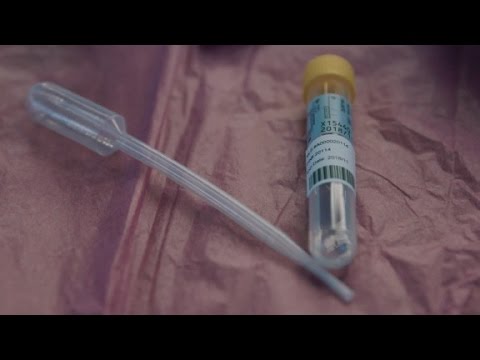
Here’s the thing: most at-home STD tests come with a kit that includes everything you need. Typically, you’ll collect a sample—like urine or saliva—and then send it off to a lab for analysis.
The results usually arrive through an online portal or by mail. This means you don’t have to sit in a waiting room and can avoid those awkward encounters.
Types of Tests Available
- Chlamydia and Gonorrhea: One test often checks for both infections simultaneously. Simple enough!
- HIV: There are tests that let you check your status through saliva or blood samples.
- Syphilis: A blood test can identify this STI early on, which is super important for treatment.
- Herpes: Tests may check for HSV-1 or HSV-2 from swabs or blood samples.
The Importance of Accuracy
You might wonder about accuracy—good question! At-home tests should meet certain standards set by regulatory bodies. However, no test is perfect. Sometimes false negatives happen, which means the test says you’re fine when you might not be.
This is why it’s crucial to follow up with a healthcare provider if your results are positive—or even if they’re negative but something feels off.
A Little About Privacy
Your privacy is important too! Most reputable services prioritize confidentiality. Your results should be handled carefully and shared only with you unless otherwise specified.
Busting Myths
- The outcome will be immediate:Nope! You’ll usually have to wait several days for results after sending in the sample.
- You don’t need follow-ups:This isn’t true either; some conditions need retesting or treatment based on symptoms and risk factors.
A Final Thought
If you’re considering an at-home STD test, think about what matters most to you—like convenience versus seeing someone in-person. Both options have their pros and cons!
If anything feels unclear as you’re weighing your choices, don’t hesitate to chat with someone who knows more about sexual health to help guide your decision making!
Empower Yourself with Easy and Discreet Testing at Home
Understanding At-Home STD Testing
Hey, let’s talk about at-home STD testing. It might sound surprising, but it gives you a way to check on your sexual health without the hassle of a doctor’s appointment. You know how sometimes life gets busy? These tests can fit right into your schedule.
What is an At-Home STD Test?
An at-home STD test is pretty much what it sounds like. You get a kit that allows you to collect samples—like urine or swabs—and then send them off for testing. It’s designed to be simple and discreet.
The main goal here is empowerment. Knowing your status can help you make informed choices about your health and relationships.
How Do They Work?
Usually, the process starts when you order a test online. Upon receiving it, follow the instructions included in the kit to collect your sample. After that, you send it back to the lab. Results usually come back via email or an app.
Many tests check for common STDs like chlamydia, gonorrhea, syphilis, and HIV. Some even provide options for more obscure infections.
Who Should Consider These Tests?
- If you’re sexually active with new partners.
- If you’ve had unprotected sex.
- If you’re curious about your sexual health status.
The thing is: regular testing can be really important for everyone who is sexually active—even if you don’t have symptoms!
The Benefits of Discretion
A big advantage of at-home testing is privacy. You can test without feeling exposed in a clinic setting. This aspect can make people feel more comfortable and likely to follow through with testing.
Are There Any Limitations?
Sure! While these tests are convenient, they’re not necessarily as comprehensive as those done at healthcare facilities because they may not detect everything or could require follow-up tests if results are abnormal.
Interpreting Your Results
You’ll usually get instructions on what to do if your results come back positive or concerning. It’s important not to panic! If something seems off, contacting a healthcare provider for guidance is always smart move.
Myths About At-Home Testing
- “At-home tests aren’t reliable”: While they might not catch everything, many legitimate companies use accredited labs!
- “They’re only for young people”: Nope! People of all ages engage in sexual activity; thus anyone might benefit from them!
Your Role in Your Health Journey
You’re in control here! Knowledge about your sexual health helps in decision-making—for both yourself and your partners. It’s all about taking steps towards better health management and responsibility.
So why not take that leap? Testing from home could just be the nudge needed towards better overall well-being!
Understanding the Steps and Methods Behind STD Testing for Men
Understanding STD Testing for Men
Sexually transmitted diseases (STDs) can be a concern for anyone who is sexually active. The testing process, though, might seem a bit unclear at first. Let’s break it down into simpler steps and methods.
Why Test for STDs?
First off, knowing your STD status is crucial. Some STDs can persist without symptoms. This means you could be unaware you’re infected and potentially pass it on to others. It’s a good idea to get tested regularly, especially if you have multiple partners.
Types of Tests Available
You’ve got a few options when it comes to testing. There are laboratory tests done by health care providers, and then there are kits that let you test at home.
- Blood Tests: These can detect infections like HIV and syphilis. A healthcare provider will take a sample of your blood for this.
- Urine Tests: Often used for chlamydia and gonorrhea, these are simple enough—just pee in a cup!
- Swab Tests: In some cases, you might need to have samples taken from sores or unusual discharge.
The At-Home Testing Option
If visiting a clinic feels intimidating or just isn’t possible for you, at-home tests offer privacy and convenience. These kits typically come with everything needed to collect samples safely.
You may have heard some folks say these tests aren’t as reliable as lab tests. While that’s sometimes true due to handling errors or misinterpretation of results at home, many are still FDA-approved and worth considering as part of your routine health checkup.
The Steps Involved in Testing
- Select Your Method: Decide whether you’ll go to a lab or use an at-home kit.
- Follow Instructions: Whether it’s collecting urine or swabbing an area; follow instructions carefully to ensure accuracy.
- Simplicity Counts:This part usually helps minimize errors—be clean about how you handle the samples!
- Lodging Your Sample:If you’re sending something back through the mail, make sure it’s packaged well so that it arrives intact.
- Awaiting Results:Your results could come in a few days up to two weeks depending on the test type.
Acknowledging Limitations
No test is perfect; false positives or negatives can happen due to various reasons such as timing of the test after exposure. It’s important to speak with someone knowledgeable if results come back unclear or positive; they’ll help guide any next steps needed.
Your Next Steps After Testing
If results show an infection, don’t panic! Talk with healthcare professionals about treatment options available—not all infections require antibiotics, but prevention moving forward is key! Truly understanding how these conditions spread can really help keep you—and others—safe.
A Final Thought
You know what? Regular testing shouldn’t feel shameful; it’s part of taking control over your sexual health! The more aware we are about our bodies and those we engage with sexually, the safer everyone becomes together!
At-home STD testing can give individuals crucial insights into their sexual health. It’s refreshing to see more resources available that empower people to take charge of their wellbeing in the privacy of their own homes.
Many might feel hesitant about visiting a clinic, and that’s understandable. The idea of discussing sexual health can be uncomfortable. At-home tests offer a sense of control and comfort, which is vital for many.
However, it’s important to remember that while these tests provide valuable information, they don’t replace professional medical advice or follow-up care. There’s always nuance in interpreting results that may require a healthcare provider’s input.
The article does well to explain various testing options, highlighting different types of STDs that can be detected. Each test has its strengths and limitations, so being informed is key when deciding on which test to use.
Incorporating regular testing into one’s routine—especially for sexually active individuals—can lead to earlier detection and treatment of infections. It also encourages responsible behavior among partners, fostering openness about sexual health.
This resource acts as a helpful gateway for many who may not know how to start the conversation about their health. In doing so, it breaks down some barriers and stigmas associated with STIs.
Ultimately, knowledge is power. Understanding one’s sexual health status helps make better-informed decisions moving forward.