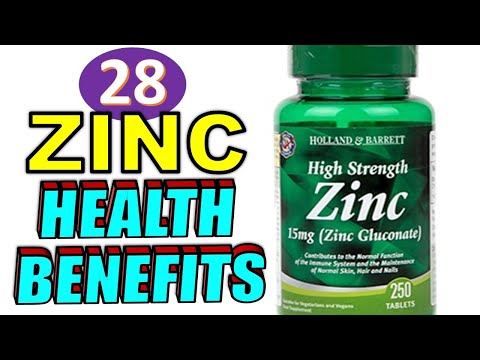
Zinc sulfate is a form of zinc, a vital mineral that plays numerous roles in our body. Think of it like a multitasking employee in a large company; it helps with everything from immune function to wound healing and even DNA synthesis. However, using zinc sulfate orally can be both beneficial and, at times, risky.
When considering any supplement like zinc sulfate, it’s crucial to weigh the benefits against the potential downsides. For example, it may help boost your immune system or alleviate symptoms of a zinc deficiency. But on the flip side, taking too much might lead to adverse effects or interact with other medications you’re taking.
Being curious about what you put into your body is commendable! Yet, it’s essential to inform yourself thoroughly through various sources and healthcare professionals. One type of information isn’t enough; diverse perspectives can offer a broader understanding of how zinc sulfate might fit into your personal health plan.
Warning: Zinc sulfate oral supplements should not be taken without proper knowledge and guidance. Overuse can lead to toxicity and health complications. Always consult with different specialists and explore reliable media before making decisions about supplementation. Your health deserves careful consideration!
The information provided in this article is intended solely for general informational and educational purposes. It does not constitute medical advice, diagnosis or professional treatment, and should not be considered a substitute for consultation with a qualified doctor or other licensed healthcare professional. Any health-related decisions should be made in consultation with accredited medical professionals.
While efforts have been made to ensure the information is accurate and up to date, no guarantees are given—either express or implied—regarding its accuracy, completeness, currency or suitability. Use of this information is at your own discretion.
It is strongly recommended to consult official sources such as the NHS (National Health Service) or other recognised medical institutions before acting on any information contained on this website or article. Under no circumstances should professional medical advice be ignored or delayed due to content read here.
This content is of a general and informational nature only. It is not intended to replace individualised guidance from a healthcare professional or to establish any doctor-patient relationship. The publication of this information does not imply any professional responsibility, guarantee or obligation on the part of the author or this site.
Unlocking the Power of Zinc Sulfate for Your Health and Wellness
Zinc sulfate is a compound made up of zinc and sulfuric acid. It’s often used as a dietary supplement for those lacking zinc in their diets. Zinc itself is a vital mineral that plays many roles in the body.
What is Zinc Good For?
Zinc supports immune function, wound healing, and protein synthesis. It’s also important for DNA synthesis and cell division. Think of it as a team player that helps many processes work smoothly.
Benefits of Zinc Sulfate
Many people turn to zinc sulfate to help with colds or other minor infections. Studies suggest it might reduce the duration of colds if taken early on, but results can vary widely.
Possible Risks
Taking too much zinc can lead to side effects like nausea, diarrhea, or headaches. Long-term high doses might result in copper deficiency or other health issues. Therefore, moderating your intake is crucial.
How to Take It
Zinc sulfate typically comes as an oral supplement in tablet form. It’s best taken with food to minimize stomach upset. Always read dosage instructions carefully.
Zinc Interactions
Zinc may interact with certain medications such as antibiotics or diuretics. If you’re taking any prescriptions, it’s wise to consult with someone who knows about your specific health needs.
While zinc sulfate has its benefits, it’s not a substitute for overall healthy habits like good nutrition and regular exercise.
Remember that balance is key when considering supplements. They should complement your diet rather than replace nutritious foods rich in zinc like meat, nuts, and dairy products.
In summary, zinc sulfate can be beneficial for those who need it but should be approached with caution and understanding of individual health needs. Always consider consulting an expert for personalized advice tailored specifically to you!
Exploring the Many Factors Influencing Zinc Sulfate’s Effects and Interactions
Zinc sulfate is a supplement that’s often used to address zinc deficiencies. Zinc itself is an essential mineral, playing many roles in the body, including supporting immune function and aiding in wound healing.
However, the effects of zinc sulfate can vary greatly among individuals. This variation can be influenced by several factors, which we’ll explore.
1. Dosage: The amount of zinc sulfate taken matters a lot. Higher doses might lead to more noticeable effects but can also increase the risk of side effects.
2. Formulation: Different formulations exist, from tablets to liquids. Each may have different absorption rates in your body, affecting how much zinc actually gets utilized.
3. Timing of Intake: When you take zinc is important too. Some studies suggest that taking it on an empty stomach may enhance its absorption compared to taking it with food.
4. Dietary Factors: Certain foods can interact with zinc absorption. For example, high amounts of calcium or iron might compete with zinc for absorption in the gut.
5. Age and Health Status: Children, elderly individuals, and those with certain health conditions may absorb and utilize zinc differently than healthy adults.
6. Medications: Zinc can interact with various medications like antibiotics or diuretics, potentially affecting their effectiveness or causing side effects.
Additionally, genetics plays a role too! Some people metabolize minerals differently due to genetic factors, which can influence how well they respond to supplements like zinc sulfate.
It’s essential to remember that while deficiencies can be dangerous, excess intake isn’t without risks either. High doses over time might lead to nausea, vomiting, and other health issues.
As always, it’s wise to consult healthcare providers before starting any supplement regimen—especially for specific health needs or if you take medications regularly.
Being informed about how various factors influence the efficacy of a supplement empowers you to make better decisions regarding your health choices!
Uncovering the Hidden Dangers of Zinc Supplementation
Zinc is an essential mineral that plays a crucial role in various bodily functions. It helps with immune response, wound healing, and helps our cells multiply. Many people take zinc supplements to boost their health. However, it’s important to understand some hidden dangers associated with zinc supplementation.
First, too much zinc can lead to toxicity. The body only needs a small amount for proper function. When you exceed the recommended dosage, you might experience symptoms like nausea, vomiting, or diarrhea.
For example, a high intake of zinc can hinder your body’s ability to absorb copper and iron. This may lead to deficiencies in these minerals over time.
Another concern is the effect on your immune system. While zinc is known to support immunity, excessive amounts can actually disrupt it. This could result in increased susceptibility to infections rather than improved protection.
It’s also worth noting that not everyone needs supplements. A balanced diet often provides enough zinc for most people. Foods like meat, shellfish, legumes, and seeds are great sources.
Some individuals may experience interactions when taking zinc supplements alongside medications such as antibiotics or diuretics. These interactions can impact how well medications work.
Additionally, certain health conditions may exacerbate the risks associated with excessive zinc intake. For instance, those with kidney diseases should be particularly cautious since their bodies may struggle to eliminate excess amounts.
Always consult a healthcare professional before starting any supplement regimen. Having an open conversation about your diet and health goals can help you make informed choices.
In summary, while zinc has notable benefits when used correctly, it’s essential to be aware of its potential risks and dosage recommendations. Understanding these factors enables responsible health decisions that benefit overall well-being without unnecessary harm.
Zinc sulfate is a supplement often used to address zinc deficiency, which can lead to various health issues. It plays a crucial role in immune function, wound healing, and DNA synthesis.
Benefits: Taking zinc sulfate can boost the immune system and may help shorten the duration of common colds. It’s also essential for skin health and may accelerate healing from injuries or surgeries.
Risks: While generally safe when taken as directed, excessive zinc intake can lead to side effects like nausea, diarrhea, and headaches. Long-term high doses might affect copper levels in the body, potentially causing more significant issues.
Interactions: Zinc can interact with certain medications. For example, it may interfere with antibiotics or diuretics. Always consult with a healthcare provider before starting any new supplement.
In summary, while zinc sulfate can offer notable benefits especially regarding immunity and healing, it’s essential to be aware of potential risks and interactions. Making informed decisions about supplements is vital for maintaining overall health.