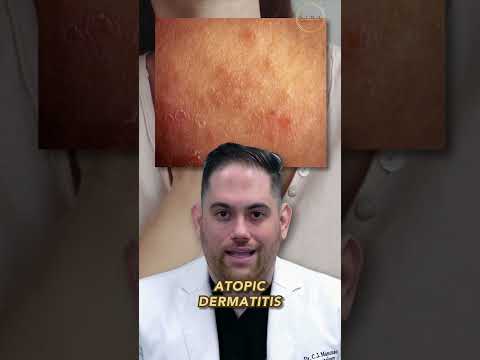
Eczema is a common skin condition that many people recognize. It can cause redness, itching, and irritation, often leading to discomfort and frustration. However, did you know that several other conditions can resemble eczema? These conditions may share similar symptoms, but their causes and treatments can be entirely different.
Understanding what these mimickers are is crucial for proper management. It’s like trying to solve a mystery—spotting the clues helps us find the right answers. By paying attention to your symptoms and their progression, you can become an active participant in your health journey.
Conditions that may mimic eczema include:
The information provided in this article is intended solely for general informational and educational purposes. It does not constitute medical advice, diagnosis or professional treatment, and should not be considered a substitute for consultation with a qualified doctor or other licensed healthcare professional. Any health-related decisions should be made in consultation with accredited medical professionals.
While efforts have been made to ensure the information is accurate and up to date, no guarantees are given—either express or implied—regarding its accuracy, completeness, currency or suitability. Use of this information is at your own discretion.
It is strongly recommended to consult official sources such as the NHS (National Health Service) or other recognised medical institutions before acting on any information contained on this website or article. Under no circumstances should professional medical advice be ignored or delayed due to content read here.
This content is of a general and informational nature only. It is not intended to replace individualised guidance from a healthcare professional or to establish any doctor-patient relationship. The publication of this information does not imply any professional responsibility, guarantee or obligation on the part of the author or this site.
If you suspect that what you’re experiencing might not be run-of-the-mill eczema, it’s essential to gather information from various sources—like dermatologists or allergists—and explore reputable online resources. Conditions resembling eczema can have different underlying issues and require tailored approaches for treatment. Be curious, ask questions, and don’t hesitate to seek multiple opinions if needed! Understanding your skin better will empower you in making informed health decisions.
Uncovering the Hidden Links Between Skin Irritation and Autoimmune Disorders
Many people experience skin irritation, often thinking it’s just a simple rash or eczema. However, sometimes these skin issues can be a sign of something deeper, like an autoimmune disorder. It’s important to connect the dots.
Autoimmune disorders happen when the immune system mistakenly attacks healthy cells. This can lead to inflammation and irritation in various parts of the body, including the skin. Conditions like psoriasis and lupus are examples where skin symptoms may appear.
How do you know if your skin irritation is more than just a rash? Here are some signs to watch for:
Some conditions mimic eczema but have underlying autoimmune causes. For example, atopic dermatitis is common but can occasionally overlap with other disorders like Sjögren’s syndrome or dermatitis herpetiformis.
Taking notice of these signs is crucial. Not all rashes mean an autoimmune disorder, but being aware can help you seek appropriate treatment sooner rather than later.
It’s also important not to jump to conclusions based on one symptom. Skin irritation can stem from many sources: allergies, irritants, infections—which are not always linked to autoimmunity.
When should you consult someone about skin issues? If your rash lasts longer than usual or if it changes in appearance or intensity. Listening to your body is key.
Lastly, remember that our understanding of health evolves continuously. What we know today might expand tomorrow as research progresses. Always consider consulting with knowledgeable sources if you’re unsure about symptoms.
Being informed empowers you to make better health decisions for yourself and your loved ones.
Understanding the Hidden Connection Between Your Skin and Nervous System
Your skin and nervous system share a deep connection. Understanding this relationship can help you recognize conditions that might mimic eczema, for example.
The skin is not just a protective barrier. It also acts as a sensory organ, communicating with our nervous system constantly. Think of it like a two-way street.
When the nervous system is under stress, it can impact the skin in various ways. Stress, anxiety, or even changes in mood can trigger flare-ups in skin conditions. This includes eczema-like symptoms such as rashes or itchiness.
Some conditions can easily be mistaken for eczema.
is one example, caused by allergic reactions to substances touching the skin.
is another, characterized by red patches with silvery scales.
Neurological conditions might also play a role in your skin health. For instance, neuropathies, which affect nerve function, can lead to unusual sensations or pain that might appear on the skin’s surface.
It’s crucial to observe any patterns in your symptoms. Do they coincide with times of emotional distress? Such connections can guide you and your healthcare provider towards the right approach.
Lifestyle factors also matter here. Adequate sleep, good nutrition, and regular exercise support both your nervous system and skin health.
Always keep an eye out for any changes on your skin that seem unusual or persistent. While it’s tempting to self-diagnose based on online information, consulting a professional is best.
In summary, there’s a complex interplay between your skin and nervous system. Understanding this connection opens pathways for better management of both mental and physical health issues related to the skin.
By being mindful of these links, you may find ways to improve your overall well-being while reducing some frustrating symptoms on your skin!
Uncovering the Hidden Connections Between Eczema and Other Skin Issues
Eczema is a common skin condition that many people deal with. It often shows up as dry, red patches that can be itchy and uncomfortable. However, eczema can sometimes be confused with other skin issues. Understanding these connections is essential for proper care.
First, let’s look at conditions that mimic eczema. Psoriasis is one of them. This autoimmune disease also causes red, scaly patches on the skin but tends to have clearer borders and often appears on elbows and knees.
Another condition to consider is contact dermatitis. This occurs when the skin reacts to something it touches, like certain soaps or metals. It can look very similar to eczema but usually resolves once you remove the irritant.
Seborrheic dermatitis is another potential culprit. It often affects oily areas, like the scalp or face, leading to flaking and redness. While it shares some similarities with eczema, seborrheic dermatitis usually has a greasy appearance.
You may also encounter folliculitis, which occurs when hair follicles become inflamed or infected. It presents as red bumps or pustules that can be mistaken for eczema patches.
Additionally, ringworm, a fungal infection, can sometimes imitate eczema too. It typically appears as a round, red patch with clearer skin in the middle—this distinction is important for diagnosis.
It’s essential to recognize that different conditions might respond differently to treatments. What works for one may not work for another.
If you’re unsure whether you have eczema or another skin issue, consider these tips:
Always consult a healthcare professional if you’re uncertain about your symptoms or if your condition worsens. They can help identify the right diagnosis and treatment plan tailored just for you.
Understanding these hidden connections helps in making informed decisions about your health and wellbeing while promoting better management of your skin issues over time!
Eczema, also known as atopic dermatitis, is a common skin condition characterized by itchy, inflamed skin. However, other conditions can present similarly, which is crucial to recognize for proper treatment.
Conditions like psoriasis and contact dermatitis can mimic eczema but have unique triggers and treatment needs. Psoriasis often presents with thicker, red patches covered in silver scales and may involve more systemic symptoms. Contact dermatitis arises from skin exposure to irritants or allergens and typically resolves once the irritant is removed.
Other mimickers include fungal infections like tinea and certain viral infections such as herpes simplex. Symptoms may overlap, but with careful observation of patterns and responses to treatments, distinctions can become clear.
This understanding underscores the importance of a thorough evaluation by a knowledgeable professional. Misdiagnosis can lead to ineffective treatments or exacerbation of the condition.
In summary, while eczema is prevalent, being aware of conditions that mimic it fosters informed decisions and effective management for those affected. Always consult healthcare providers when unsure about skin symptoms for an accurate diagnosis and appropriate care.