Coxsackievirus infections are more common than you might think, often causing mild illnesses that can easily be mistaken for something else. These viruses belong to the enterovirus family and primarily affect babies and young children, leading to various symptoms. Imagine a pesky little bug that might give you a sore throat, fever, or even an uncomfortable rash. That’s Coxsackievirus for you!
Understanding the causes of these infections can help you better protect yourself and your loved ones. The virus spreads through direct contact with contaminated surfaces, respiratory droplets, or even fecal matter, making hygiene super important. Curious about how to spot its symptoms? Let’s dive deeper into what this virus entails.
Warning: While Coxsackievirus infections are generally mild and self-limiting, they should not be taken lightly. It is essential to consult healthcare professionals for accurate diagnoses and advice tailored to individual situations. Always cross-reference information from various specialists and reliable sources to stay informed. Your health is worth the effort!
The information provided in this article is intended solely for general informational and educational purposes. It does not constitute medical advice, diagnosis or professional treatment, and should not be considered a substitute for consultation with a qualified doctor or other licensed healthcare professional. Any health-related decisions should be made in consultation with accredited medical professionals.
While efforts have been made to ensure the information is accurate and up to date, no guarantees are given—either express or implied—regarding its accuracy, completeness, currency or suitability. Use of this information is at your own discretion.
It is strongly recommended to consult official sources such as the NHS (National Health Service) or other recognised medical institutions before acting on any information contained on this website or article. Under no circumstances should professional medical advice be ignored or delayed due to content read here.
This content is of a general and informational nature only. It is not intended to replace individualised guidance from a healthcare professional or to establish any doctor-patient relationship. The publication of this information does not imply any professional responsibility, guarantee or obligation on the part of the author or this site.
Uncovering the Hidden Signs of Heart Involvement in Coxsackievirus Infection
Coxsackievirus infections are common, especially in children. They often cause mild symptoms like fever and sore throat. But did you know that this virus can also affect the heart? Let’s explore some hidden signs of heart involvement.
When Coxsackievirus infects the body, it can lead to inflammation in the heart. This condition is known as myocarditis. It’s not always easy to spot as symptoms may be subtle at first.
Here are some possible signs of heart involvement:
These symptoms might seem normal when you have a viral infection. However, if they persist, they may indicate something more serious.
It’s important to pay attention to how you feel after a virus. Many people overlook these signs, thinking they will go away on their own.
Myocarditis can sometimes lead to complications like heart failure or arrhythmias. This makes early detection crucial for better outcomes.
If you suspect Coxsackievirus may have affected your heart, consider seeking medical advice. A healthcare provider can perform tests and evaluate your symptoms properly.
Remember that not everyone with Coxsackievirus will experience heart issues. It’s just one potential outcome among many others.
Being informed helps you make better decisions about health and wellness. Stay alert for unusual symptoms and take care of yourself!
In conclusion, while Coxsackievirus is often mild, it does have hidden risks associated with the heart. Awareness is key, so listen to your body and seek help when needed.
Uncover the Warning Signs of Respiratory Illness Caused by Coxsackie Virus
Coxsackie virus is part of the enterovirus family. It often causes mild illness but can lead to respiratory issues in some cases. Understanding the warning signs can help you take action when needed.
First, let’s discuss what Coxsackie virus infections typically look like. They usually start with common symptoms: fever, sore throat, and fatigue. These symptoms might seem like a cold or flu.
As the infection progresses, pay close attention to any changes in your breathing. Warning signs of respiratory illness may include:
These symptoms can indicate that the virus is affecting your lungs more severely.
It’s important to recognize that these symptoms are not exclusive to Coxsackie virus. Many other illnesses can cause similar signs. However, if they appear alongside fever and general malaise, it could point toward a more serious problem.
Another key aspect is how long symptoms last. If you notice persistent cough or difficulty breathing for several days after initial illness, it’s worth seeking medical advice.
While most cases resolve on their own, complications can arise in some individuals, especially those with weakened immune systems or pre-existing conditions.
Prevention plays a vital role too. Good hygiene practices like washing hands regularly and avoiding close contact with sick individuals may help reduce your risk of infection.
If you suspect a Coxsackie virus infection and experience warning signs of respiratory trouble, don’t hesitate to consult someone who can help guide you through your options. Understanding your body’s signals is crucial for maintaining good health.
Always be aware of changes in how you feel. Listening to those signals can lead to better health outcomes and ensure timely care when needed.
Unraveling the Mystery of Coxsackievirus: What Adults Need to Know
Coxsackievirus might sound unfamiliar, but it’s more common than you think. This virus is part of the enterovirus family and can affect people of all ages, including adults. Understanding it can help you make informed decisions about your health.
The virus is often transmitted through close contact with an infected person. Think of it like a cold or flu; it spreads easily in crowded places such as schools or workplaces. Good hygiene, like washing hands frequently, can prevent the spread.
Many adults may not even realize they have Coxsackievirus. Symptoms are often mild and similar to other viral infections. You might experience:
In some cases, adults may develop a rash or painful blisters, particularly on the hands and feet. This is more common in children but can happen to older folks too.
Coxsackievirus infections usually resolve on their own within a week or so. Your body’s immune system works hard to fight off the virus—like an internal defense team! Staying hydrated and resting are key during this time.
It’s important to note that complications are rare but possible, especially in those with weakened immune systems. If you notice severe symptoms such as difficulty breathing or chest pain, seeking medical care is wise.
There are myths surrounding Coxsackievirus that need debunking. Some people think it only affects kids—we now know that’s not true. Others believe there’s a vaccine available; currently, there isn’t one for this particular virus.
Prevention remains crucial. Along with handwashing, avoid sharing utensils or personal items if someone around you is sick with symptoms related to Coxsackievirus.
In summary, while Coxsackievirus infections can be annoying, they’re usually not cause for alarm in healthy adults. Understanding what to look for and how to take basic precautions can empower you and your loved ones regarding your health! Always remember: when in doubt about your health condition or symptoms, reach out for professional guidance.
Coxsackievirus infections are part of a group of viruses known as enteroviruses. They often trigger illnesses ranging from mild flu-like symptoms to more severe conditions. Understanding the symptoms and causes associated with these infections is crucial for both prevention and treatment.
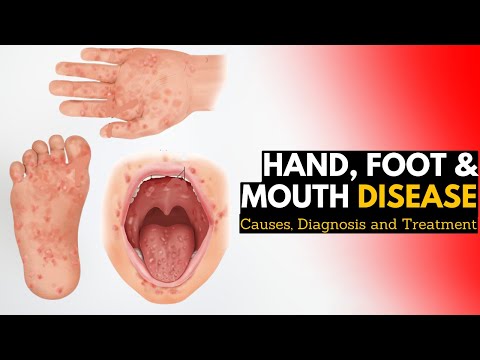
The infection can lead to various illnesses, including hand, foot, and mouth disease, which is especially common in young children. Symptoms like fever, sore throat, rash, and blistering can appear suddenly. Many people may think it’s just a common cold, but recognizing these specific signs can lead to more informed health decisions.
The virus spreads primarily through fecal-oral transmission or respiratory droplets. This means that maintaining good hygiene, such as frequent handwashing and avoiding close contact with infected individuals, is key in preventing the spread of this virus.
An important aspect of dealing with Coxsackievirus infections lies in understanding that most cases are self-limiting. Supportive care—like hydration and rest—often suffices. Knowing when to seek medical advice is essential; parents should monitor their children’s symptoms closely.
In sum, while Coxsackievirus infections might seem daunting due to their varying symptoms, being informed about their nature helps in managing expectations and fostering responsible health behaviors. Awareness encourages vigilance while also promoting calmness during outbreaks or exposures.