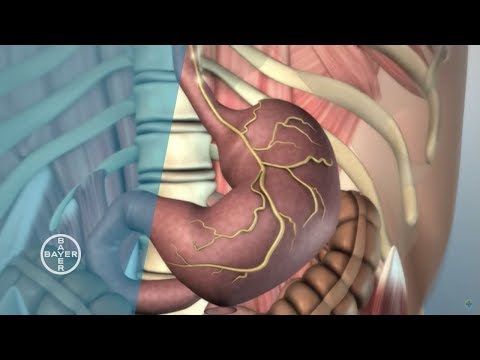
The abdomen is a fascinating world of activity, much like a busy city at rush hour. Inside this region of our body lies an intricate network of organs that work tirelessly to keep us alive and healthy. From digesting food to regulating hormones, the functions taking place in the abdomen are essential for our overall well-being.
Imagine your stomach as a factory, processing nutrients from the food you eat, while your liver acts like a sophisticated recycling center, filtering toxins and producing vital substances. The intestines serve as highways for nutrient absorption, ensuring that every bit of goodness reaches your bloodstream. This marvel of biology showcases how interconnected and vital each organ is.
However, it’s crucial to approach information about abdominal health with care. While understanding these functions can be enlightening, relying on just one source or specialist can lead to misunderstandings. Always seek information from various trusted professionals and reputable media outlets. This will help you form a well-rounded view and empower you to make informed decisions about your health. Embrace curiosity, but remember that a comprehensive understanding often comes from exploring multiple perspectives!
The information provided in this article is intended solely for general informational and educational purposes. It does not constitute medical advice, diagnosis or professional treatment, and should not be considered a substitute for consultation with a qualified doctor or other licensed healthcare professional. Any health-related decisions should be made in consultation with accredited medical professionals.
While efforts have been made to ensure the information is accurate and up to date, no guarantees are given—either express or implied—regarding its accuracy, completeness, currency or suitability. Use of this information is at your own discretion.
It is strongly recommended to consult official sources such as the NHS (National Health Service) or other recognised medical institutions before acting on any information contained on this website or article. Under no circumstances should professional medical advice be ignored or delayed due to content read here.
This content is of a general and informational nature only. It is not intended to replace individualised guidance from a healthcare professional or to establish any doctor-patient relationship. The publication of this information does not imply any professional responsibility, guarantee or obligation on the part of the author or this site.
A Deep Dive into the Secrets of Your Body’s Core
The body’s core is often talked about, but what does it really mean? At its most basic, your core includes muscles in your abdomen, pelvis, lower back, and hips. These muscles work together to keep you stable and balanced.
When we think of the core, we usually picture abs. However, it’s so much more than that! Your core supports almost every movement you make. Whether you’re standing up or sitting down, your core is in action.
Functions of the Core:
Inside the abdomen lies an intricate system of organs. The stomach digests food, while the intestines absorb nutrients. Kidneys filter waste from blood. Each organ plays a vital role in maintaining overall health.
Think of your abdominal organs like a factory assembly line. Food enters at one end and exits at the other after going through various processes. Just like a factory needs maintenance to run efficiently, so do our bodies.
Many people believe that just doing crunches will strengthen their core. That’s not entirely accurate! A strong core comes from a mix of exercises that target different muscle groups.
Consider including planks and bridges into your routine for overall strength. These exercises engage multiple muscles at once rather than isolating just one area.
It’s also important to remember that diet plays a role in supporting your core health too. Eating balanced meals provides necessary nutrients for muscle function and energy.
Stay mindful of posture throughout daily activities as well. Good posture aligns your spine and reduces unnecessary strain on your core muscles.
Misconceptions can lead to misunderstandings about what it means to have a strong core. Many associate it solely with appearance, focusing on “six-pack” abs instead of functional strength.
A well-rounded approach is key—combine exercise with proper nutrition for optimal results over time.
Ultimately, understanding the secrets of your body’s core helps you appreciate how interconnected everything is inside you. Whether it’s through movement or nutrition, taking care of this central hub can enhance overall health and well-being.
Exploring the Essential Roles of Your Body’s Core
When we think about health and fitness, the term “core” often pops up. But what is your core, really? It’s more than just a six-pack. Your core is a group of muscles in your abdomen, lower back, hips, and pelvis.
The core works like a central hub. Imagine it as the trunk of a tree. If the trunk is strong, the branches can grow healthier and taller. Similarly, a strong core supports your body and helps improve overall strength.
Your core serves several essential functions:
The muscles that make up the core include:
Strengthening these muscles can enhance performance in various activities.
Engaging your core isn’t just for athletes; it’s important for everyone. Tasks like bending down to tie shoes or picking up kids require good core strength.
There are many ways to strengthen your core without fancy equipment. Simple exercises like planks or bridges can be done at home.
However, it’s easy to focus too much on “ab exercises.” Remember that balancing strength training with flexibility work is vital too!
A common myth is that doing hundreds of sit-ups will give you abs. While sit-ups can help develop abdominal muscles, they won’t necessarily lead to visible results if there’s excess fat covering them.
It’s important to pair any exercise routine with healthy eating habits for overall wellness.
In conclusion, understanding and strengthening your body’s core plays an integral role in daily life and physical activity. By focusing on this vital area of health, you’ll set yourself up for better movement and greater health overall!
Essential Insights into Abdominal Health and What to Look For
Understanding abdominal health is crucial. The abdomen is home to essential organs that play vital roles in digestion, metabolism, and overall well-being.
The Abdomen’s Role
The abdomen houses several significant organs, including the stomach, liver, pancreas, and intestines. Each has specific functions that contribute to digestion and nutrient absorption. Think of it as a complex factory where raw materials are processed into energy for your body.
Signs of Abdominal Health
Keeping track of how you feel can provide valuable insights into your abdominal health. Pay attention to these signs:
Cautionary Signals
Certain symptoms may indicate potential problems within the abdomen. If you experience any of these persistently, consider seeking further insight:
Lifestyle Factors
Your daily habits play a significant role in abdominal health. A balanced diet rich in fruits and vegetables supports digestion while hydration aids everything from nutrient transport to waste elimination.
Consider incorporating regular exercise. Physical activity improves blood flow and encourages healthy gut function—much like oil keeps a machine running smoothly.
Mental Well-being
Don’t overlook stress management. Chronic stress can affect the gut negatively, leading to issues like irritable bowel syndrome (IBS). Techniques such as mindfulness or yoga may enhance both mental and abdominal health.
Finally, be proactive about your health by seeking regular check-ups with healthcare professionals who understand your needs. Staying informed empowers you to make choices that promote better abdominal health over time.
Always remember that everyone’s body is different. What works for one person may not work for another. Listen to your body’s unique signals and approach changes thoughtfully.
Exploring the abdomen reveals a fascinating world of functions and interactions that are crucial to our overall health. The abdomen houses vital organs like the stomach, liver, intestines, and pancreas. Each organ plays a unique role—digestion, nutrient absorption, detoxification, and energy regulation.
Understanding the abdomen’s anatomy helps demystify common ailments. For instance, abdominal pain can arise from various sources—from digestive issues to more serious conditions like appendicitis or gallbladder disease. Visual tools, such as imaging scans, have revolutionized our ability to diagnose these issues accurately.
Moreover, insights into how these organs work together underscore the importance of maintaining a healthy lifestyle. A balanced diet and regular exercise can enhance digestive health and support optimal organ function.
In summary, grasping the complex interplay within the abdomen not only aids in understanding individual health but also promotes proactive health choices that can prevent disease and enhance well-being. A well-informed approach empowers individuals to listen to their bodies and seek help when necessary, fostering a deeper connection with their health journey.