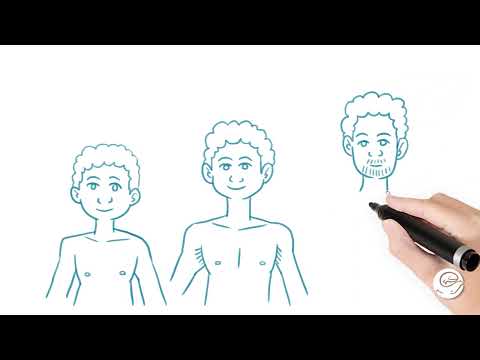
Neurofibromatosis is a genetic condition that can affect anyone, regardless of age or background. Have you ever heard of it? There are two main types: Neurofibromatosis Type 1 (NF1) and Type 2 (NF2). Both conditions can bring unique challenges but also opportunities for understanding and care.
In NF1, people often develop benign tumors on nerves called neurofibromas. These can appear anywhere on the body and sometimes lead to skin changes or learning disabilities. On the other hand, NF2 primarily involves bilateral vestibular schwannomas—tumors that affect balance and hearing. While each type has its own set of symptoms, they both stem from mutations in specific genes.
Understanding these conditions is vital for effective management. Regular check-ups and targeted care can help improve quality of life for those with neurofibromatosis. But navigating this information can be tricky.
**Warning:** Always seek comprehensive information from various sources, including healthcare professionals who specialize in genetics and related fields. It’s essential to connect with different specialists and consult credible media to form a complete picture of NF1 and NF2. Your health decisions deserve careful consideration, so stay informed!
The information provided in this article is intended solely for general informational and educational purposes. It does not constitute medical advice, diagnosis or professional treatment, and should not be considered a substitute for consultation with a qualified doctor or other licensed healthcare professional. Any health-related decisions should be made in consultation with accredited medical professionals.
While efforts have been made to ensure the information is accurate and up to date, no guarantees are given—either express or implied—regarding its accuracy, completeness, currency or suitability. Use of this information is at your own discretion.
It is strongly recommended to consult official sources such as the NHS (National Health Service) or other recognised medical institutions before acting on any information contained on this website or article. Under no circumstances should professional medical advice be ignored or delayed due to content read here.
This content is of a general and informational nature only. It is not intended to replace individualised guidance from a healthcare professional or to establish any doctor-patient relationship. The publication of this information does not imply any professional responsibility, guarantee or obligation on the part of the author or this site.
Understanding the Distinct Signs and Impacts of Two Related Genetic Disorders
Neurofibromatosis (NF) is a group of genetic disorders that affect the nervous system. There are two main types: Neurofibromatosis type 1 (NF1) and Neurofibromatosis type 2 (NF2). While they share some similarities, each has distinct signs and impacts.
Neurofibromatosis Type 1 (NF1) primarily presents with **skin changes**. People with NF1 often develop café-au-lait spots, which are light brown patches on the skin. These spots usually appear in childhood.
Another common sign of NF1 is the growth of benign tumors called neurofibromas. These can form on or under the skin and may cause discomfort or itching. They often develop in adolescence or early adulthood.
Learning difficulties are also associated with NF1. Many individuals may face challenges in school or have trouble with attention and executive function skills. However, not everyone with NF1 will have these issues.
On the other hand, Neurofibromatosis Type 2 (NF2) involves a different set of symptoms. The hallmark of NF2 is the development of **bilateral vestibular schwannomas**, which are tumors that grow on the nerves responsible for balance and hearing.
Symptoms like **hearing loss** and problems with balance usually emerge in late adolescence or early adulthood for those affected by NF2. These issues can significantly impact daily life.
While both types of neurofibromatosis are genetic, they arise from mutations in different genes. This means their inheritance patterns can vary slightly, but they both follow an autosomal dominant pattern—meaning only one copy of the faulty gene from a parent can lead to the disorder in a child.
Managing these conditions involves regular monitoring by healthcare professionals.
It’s important to remember that living with either form of neurofibromatosis often requires support from family and friends. Emotional wellbeing plays a significant role as well.
Understanding your body’s signals is crucial—stay informed about your health! If you suspect you or someone you know might have signs of either NF type, consider discussing it with a healthcare provider for appropriate guidance and support.
Navigating the Journey: Understanding Your Options for Neurofibromatosis Type 1 Care
Neurofibromatosis Type 1 (NF1) is a genetic condition that affects the nervous system. It leads to the growth of tumors called neurofibromas on nerves. These tumors can vary in size and number. Some people have just a few, while others may have many.
Understanding NF1 is key to managing it effectively. Regular check-ups are important. This helps monitor any changes in your health or the tumors themselves. Early detection of complications can make a big difference.
Symptoms of NF1 can include:
Caring for NF1 involves more than just treating symptoms. A team approach often works best. This might include:
For some, surgery is an option if tumors cause pain or other serious issues. But it’s crucial to discuss risks and benefits thoroughly with your care team.
Mental health support is also key when living with NF1. The emotional impact can’t be overlooked. Connecting with support groups or counselors can provide comfort and understanding.
Lastly, staying informed about ongoing research into NF1 is beneficial. Treatments evolve over time, so what’s available today might change tomorrow.
Consider lifestyle choices too; eating healthy and staying active are always good ideas for everyone, including those with NF1.
In summary, navigating care options for Neurofibromatosis Type 1 involves understanding your symptoms, collaborating with healthcare providers, and considering both physical and emotional well-being. Always ask questions and seek clarity on your journey forward!
Nourishing Choices for Better Living with Neurofibromatosis
Living with neurofibromatosis can present unique challenges, but your daily choices can make a big difference. The right nutrition can support overall health and well-being. It’s important to focus on balanced meals and snacks.
Whole foods should be the foundation of your diet. These include fruits, vegetables, whole grains, lean proteins, and healthy fats. Whole foods are less processed and often more nutrient-dense.
Hydration is another key factor. Water is essential for every cell in your body. Aim to drink enough water throughout the day to stay hydrated.
Consider anti-inflammatory foods. Some studies suggest that inflammation may play a role in neurofibromatosis symptoms. Foods rich in omega-3 fatty acids like salmon or walnuts can be beneficial.
Regular meals with antioxidants may also help. Fruits like berries and vegetables like spinach are packed with antioxidants that fight free radicals in your body.
It might help to practice mindful eating. Pay attention to what you eat and how it makes you feel. This awareness can lead you to healthier choices over time.
Avoiding processed foods is wise too. These often contain unhealthy additives and sugars that could impact your health negatively.
Consider discussing any dietary changes with someone involved in your care team. They can provide guidance based on your specific needs and situation.
Maintaining a healthy weight is important as well. Excess weight can strain the body further if complications arise from neurofibromatosis.
Lastly, don’t overlook social connections. Sharing meals with family or friends fosters emotional support, which is vital for mental health.
In summary, nourishing choices play an essential role in living with neurofibromatosis. Focus on whole foods, hydration, anti-inflammatory options, mindful practices, and building supportive relationships for better living overall. Always remember to consult healthcare professionals for personalized advice tailored to your needs.
Understanding Neurofibromatosis 1 (NF1) and Neurofibromatosis 2 (NF2) is crucial for fostering awareness and promoting informed care. Both conditions are genetic disorders that affect the nervous system, specifically involving the growth of tumors on nerves.
NF1 typically presents in childhood, marked by café-au-lait spots on the skin, freckling, and neurofibromas—benign tumors that grow on peripheral nerves. In contrast, NF2 usually emerges in adolescence or early adulthood, characterized by bilateral vestibular schwannomas, which can lead to hearing loss.
Awareness of these symptoms is vital for early diagnosis and intervention. Managing NF involves a multidisciplinary approach; regular monitoring for tumor growth is essential. Specialists often include neurologists, genetic counselors, and psychologists to support both physical and emotional health.
Providing comprehensive care requires empathy and understanding of each patient’s unique experience. Engaging with patients about their condition encourages better communication about treatment options and coping strategies.
By sharing knowledge about NF1 and NF2, we can empower individuals affected by these disorders to seek appropriate resources and support networks. Raising awareness helps demystify these conditions, ultimately improving outcomes for those living with neurofibromatosis.