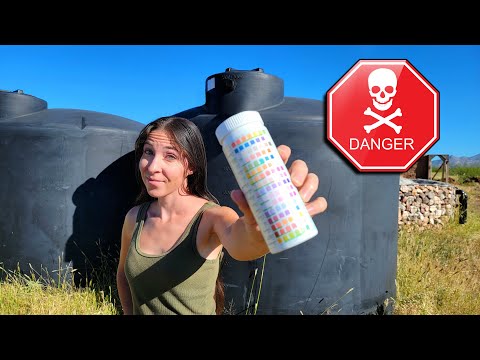
Rainwater can seem like a refreshing and natural choice for drinking, especially when you consider how pure it looks falling from the sky. But just because something appears clean doesn’t mean it’s safe to consume. There are several factors to consider regarding rainwater’s safety, including how it’s collected, stored, and possible contaminants.
Imagine for a moment standing under a gentle rain. The water feels pure and invigorating. However, that same delightful rain can pick up dust, pollen, or even pollutants as it falls. Once it lands on roofs or in catchment systems, bacteria and chemicals can seep into the water. This raises an important question: Is what we see as crystal-clear truly safe?
Before making any decisions about drinking rainwater, it’s crucial to be informed. Understand your local environment, check for regulations on rainwater harvesting in your area, and consult with specialists who can guide you through the complexities of water quality testing.
Warning: While many people enjoy using rainwater for irrigation or non-potable purposes, drinking it without proper treatment can pose health risks. Contaminants may vary based on location and weather conditions. Always seek guidance from reliable sources before consuming rainwater to ensure you’re making safe choices for your health.
The information provided in this article is intended solely for general informational and educational purposes. It does not constitute medical advice, diagnosis or professional treatment, and should not be considered a substitute for consultation with a qualified doctor or other licensed healthcare professional. Any health-related decisions should be made in consultation with accredited medical professionals.
While efforts have been made to ensure the information is accurate and up to date, no guarantees are given—either express or implied—regarding its accuracy, completeness, currency or suitability. Use of this information is at your own discretion.
It is strongly recommended to consult official sources such as the NHS (National Health Service) or other recognised medical institutions before acting on any information contained on this website or article. Under no circumstances should professional medical advice be ignored or delayed due to content read here.
This content is of a general and informational nature only. It is not intended to replace individualised guidance from a healthcare professional or to establish any doctor-patient relationship. The publication of this information does not imply any professional responsibility, guarantee or obligation on the part of the author or this site.
Exploring the Risks and Rewards of Nature’s Purest Resource
Rainwater is often seen as one of nature’s purest resources. But is it really safe to drink? Let’s explore the risks and rewards of this natural liquid.
Rainwater starts out pure, but it can pick up pollutants on its journey. As it falls, it may collect dust, pollen, and even chemicals. These contaminants can come from the air or surfaces like roofs.
Key points about rainwater collection:
Some areas allow for safe rainwater harvesting. Local laws may dictate how you can collect and use rainwater. It’s important to check these regulations.
Harvesting systems should include filters and treatments to improve water quality. Without proper systems, harmful bacteria and toxins may remain.
Common concerns about drinking rainwater include:
Many people choose to boil collected rainwater before drinking it. Boiling kills most bacteria and viruses present in the water.
On the positive side, sustainable use of rainwater can reduce reliance on treated water sources. It can also help conserve resources during dry seasons.
Using rainwater for gardening or flushing toilets is often a safer bet than drinking straight from your collection system.
In summary, while rainwater has potential benefits, caution is necessary before consuming it. Always consider local conditions, collection practices, and applicable laws when deciding whether to drink rainwater.
Stay informed and make choices that suit your health needs!
Unraveling the Myth Behind Nature’s Cleansing Deluge
When it rains, many imagine that the sky is providing fresh, pure water. Rainwater is often seen as nature’s own cleansing deluge. But is it truly safe to drink? Let’s unravel this myth together.
Rainwater starts out relatively clean as it forms in clouds. However, it collects pollutants on its way down. This includes particles from the air like dust, pollen, and even car exhaust.
When rain hits surfaces like roofs or roads, it picks up even more contaminants. Things like bird droppings and debris can make their way into the water. This can lead to potential health risks if consumed.
Some people believe rainwater is healthier because it’s natural. While that idea sounds good in theory, there are important factors to consider.
The quality of rainwater can vary greatly depending on location and environmental conditions. Areas with heavy industrial activity may have more pollutants in their rainwater compared to rural settings.
Before thinking about drinking rainwater, it’s crucial to test for harmful bacteria or chemicals. Boiling the water can kill off many germs but won’t remove chemical contaminants.
Many folks use rainwater for gardening or washing cars rather than drinking. It’s a great resource for non-potable uses where safety isn’t as big an issue.
Here are some key points if you’re considering rainwater:
In summary, while rainwater has potential uses, drinking it comes with risks that should not be ignored. Making informed decisions about your water sources protects your health and wellbeing. Always prioritize safety when considering what goes into your body!
Exploring the Hidden Dangers and Benefits of Harvested Rainwater
Rainwater harvesting can be an intriguing and eco-friendly practice. But like any other water source, it has its hidden dangers and potential benefits.
First, let’s talk about the benefits of rainwater. It’s a renewable resource. Every drop that falls is free and abundant in many places.
Using harvested rainwater can help conserve our precious drinking water supplies. It reduces dependency on municipal systems and can lower water bills.
Rainwater is usually softer than groundwater, meaning it has less calcium and magnesium. This makes it better for certain household uses, like washing clothes.
Now, what about the dangers? One main concern is contamination. Rainwater can pick up dirt, debris, and pollutants as it falls or when it collects on roofs.
If not properly filtered or treated, these contaminants can pose health risks if ingested. Harmful bacteria or chemicals from roof materials might make their way into your storage system.
You should also consider how rainwater was collected. Systems with improper maintenance could foster mold or algae growth in storage tanks.
Understanding local regulations is crucial too. In some areas, using harvested rainwater for drinking may not be legal without proper treatment systems in place.
For those considering drinking rainwater, it’s important to think critically about filtration options available. Boiling or advanced filtration systems are often necessary to ensure safety.
To sum up:
Exploring this approach requires careful thought about both potential perks and pitfalls. Balance is key!
Rainwater harvesting can be an appealing idea, especially for those looking to conserve water or reduce costs. However, the safety of rainwater for drinking hinges on several factors.
Firstly, rainwater is naturally soft and free from the minerals often found in groundwater. This makes it taste pleasant and refreshing. However, it can also pick up contaminants as it falls through the atmosphere and when it collects on surfaces. Pollutants from roofs and gutters, such as bird droppings and chemicals, can taint the water.
To ensure safety, proper collection and storage methods are essential. This means using clean containers and materials not leaching harmful substances into the water. Regular maintenance of collection systems is vital to prevent stagnation or contamination.
Testing rainwater for bacteria, heavy metals, and other contaminants is a wise step before considering it safe to drink. Local regulations may also influence how rainwater should be handled; understanding these guidelines is crucial.
In summary, while rainwater can be a viable water source with proper precautions, one must approach its use thoughtfully. Knowledge about potential risks paired with effective mitigation strategies supports informed decision-making in utilizing this natural resource responsibly.