Have you ever found yourself squinting at a sign in the distance or struggling to read the fine print on a medicine bottle? Blurred vision is more than just an annoyance; it can be a sign of various underlying issues. Understanding why our vision becomes unclear is essential for maintaining eye health and overall well-being.
In “See Clearly Again: Understanding Blurred Vision Causes and Care,” we’ll explore common causes such as refractive errors, cataracts, and even lifestyle choices. You’ll learn how age, health conditions, and environment can influence your sight.
Taking care of your eyes is an important part of self-care. Regular check-ups with eye care professionals can help catch problems early, allowing you to see clearly for years to come.
However, it’s crucial to approach this topic with caution. Relying solely on one source or specialist may not provide the full picture of your condition. Different professionals may offer varying insights based on their expertise. Stay curious and informed by seeking knowledge from multiple specialists and reputable media outlets. Your vision deserves the best care possible!
The information provided in this article is intended solely for general informational and educational purposes. It does not constitute medical advice, diagnosis or professional treatment, and should not be considered a substitute for consultation with a qualified doctor or other licensed healthcare professional. Any health-related decisions should be made in consultation with accredited medical professionals.
While efforts have been made to ensure the information is accurate and up to date, no guarantees are given—either express or implied—regarding its accuracy, completeness, currency or suitability. Use of this information is at your own discretion.
It is strongly recommended to consult official sources such as the NHS (National Health Service) or other recognised medical institutions before acting on any information contained on this website or article. Under no circumstances should professional medical advice be ignored or delayed due to content read here.
This content is of a general and informational nature only. It is not intended to replace individualised guidance from a healthcare professional or to establish any doctor-patient relationship. The publication of this information does not imply any professional responsibility, guarantee or obligation on the part of the author or this site.
Uncovering the Hidden Factors Behind Your Hazy Sight
Blurred vision can be frustrating and concerning. Many people experience this at some point in their lives. It’s essential to understand the various factors that might be causing your hazy sight.
First, let’s consider refractive errors. These are common issues like nearsightedness, farsightedness, and astigmatism. They happen when the shape of your eye doesn’t perfectly focus light on the retina. Think of it like wearing glasses with smudges; everything becomes blurry.
Another factor is age. As we grow older, our eyes change. The lens inside our eyes might become stiffer, making it harder to focus on close objects. This condition is known as presbyopia and usually starts around age 40.
Eye conditions can also lead to blurred vision. For instance, cataracts develop when proteins in the lens clump together. This cloudiness can obstruct clear vision, similar to looking through a foggy window.
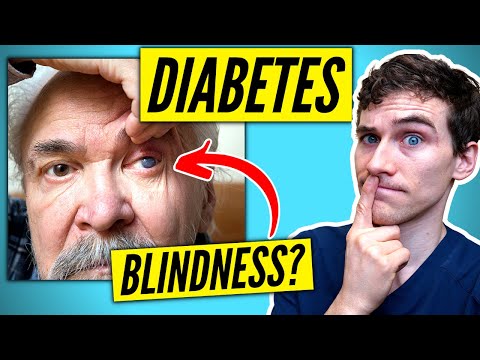
Additionally, diabetes can affect your eyesight. Diabetic retinopathy is a complication where high blood sugar levels damage the tiny blood vessels in the retina. This damage may lead to blurred or distorted vision over time.
Sometimes, eye strain could be the culprit too. Long hours in front of screens without breaks can make your eyes feel tired and fuzzy. If you imagine your eyes are like a muscle that gets worn out after too much use—it makes sense!
Don’t forget about dry eyes, another common issue that might cause blurriness as well. When there aren’t enough tears or they evaporate too quickly, your vision may become hazy.
Lastly, certain medications and health conditions can lead to side effects that impact your eyesight—like blurred vision. Always read medication labels carefully!
If you’re experiencing ongoing blurry vision, it’s important to consult a healthcare professional for an evaluation. Remember that keeping up with regular eye exams is crucial for maintaining good eye health.
Stay proactive about your sight! Understanding these hidden factors helps you make informed decisions about your eye care moving forward.
Unraveling the Mysteries Behind Your Cloudy Sight
Experiencing cloudy or blurred vision can be concerning. It often makes daily tasks like reading or driving more challenging. Understanding the reasons behind this can help you take appropriate steps.
Cloudy vision can arise from various factors. Sometimes, it’s just a temporary issue, like fatigue or dry eyes. Other times, it might indicate an underlying condition.
Here are some common causes of blurry sight:
It’s important to note that not every instance of blurred sight is serious. Sometimes a simple change in your glasses prescription can make all the difference. However, when blurred vision persists or worsens, seeking professional evaluation is essential.
In some cases, people may not realize they have an eye condition until symptoms appear. Regular eye exams play a crucial role in early detection and management of potential problems.
If you find yourself experiencing cloudy sight frequently, consider these practical tips:
Being informed helps you take control of your health decisions regarding your eyesight. Don’t hesitate to reach out for help if you notice consistent changes in your vision—acting early can lead to significant improvements in quality of life.
Always remember that this information serves as general knowledge only and does not replace professional medical advice tailored to individual needs.
Refreshing Remedies to Clear Your Sight
Blurred vision can be frustrating and impact daily life. Understanding its causes helps you approach care wisely. There are various reasons your sight may not be clear, including refractive errors, eye strain, and medical conditions.
Refractive errors happen when light doesn’t bend properly as it enters your eye. This leads to nearsightedness, farsightedness, or astigmatism. Regular eye exams can help catch these issues early on.
Eye strain is common in our digital world. Staring at screens for long periods makes your eyes work harder than usual. A simple technique is the 20-20-20 rule: every 20 minutes, look at something 20 feet away for at least 20 seconds.
Hydration plays a key role in maintaining good eye health. Just like your body needs water to function well, your eyes do too! Aim for about eight glasses a day to keep everything running smoothly.
Nutrition matters too! Foods rich in vitamins A, C, and E support healthy vision. Examples include carrots, spinach, oranges, and nuts. Incorporating these into your diet can be beneficial.
Manage lighting when reading or using Your devices. Dim light can cause strain whereas harsh lighting can create glare. Find a balance that feels comfortable to you.
Consider using artificial tears if you experience dryness or irritation. They can help refresh your eyes throughout the day without any fuss.
Always practice good hygiene by washing Your hands before touching Your eyes or handling contact lenses—this minimizes the risk of infections.
Lastly, don’t ignore persistent blurred vision or discomfort. While home remedies are helpful for temporary relief, consulting someone experienced is essential if symptoms persist over time.
Staying informed empowers you towards better eye health decisions!
Blurred vision is a common complaint, but it can stem from various causes, ranging from mild to serious. Understanding these causes is crucial for effective care and management.
First, it’s important to recognize that blurred vision can result from refractive errors, like nearsightedness or farsightedness. These conditions often require corrective lenses or surgery, rather straightforward solutions that many people find helpful.
However, blurred vision may also signal more serious issues. Conditions like cataracts, glaucoma, or even diabetes can lead to significant visual impairment if not addressed promptly. It’s essential to see an eye care professional regularly for comprehensive exams, as early detection can make a major difference in outcomes.
Another aspect to consider is the impact of lifestyle factors. Prolonged screen time without breaks can strain your eyes and contribute to temporary blurriness. Simple changes like the 20-20-20 rule—looking at something 20 feet away for 20 seconds every 20 minutes—can help mitigate this.
Additionally, some people might experience blurry vision due to dry eyes or allergies. Over-the-counter solutions may provide relief in these cases.
Ultimately, understanding the root causes of blurred vision empowers individuals to take control of their eye health. The key takeaway is not to ignore symptoms and seek professional evaluation when needed. Knowledge and timely action are vital in preserving one’s sight and overall well-being.