
The information provided in this article is intended solely for general informational and educational purposes. It does not constitute medical advice, diagnosis or professional treatment, and should not be considered a substitute for consultation with a qualified doctor or other licensed healthcare professional. Any health-related decisions should be made in consultation with accredited medical professionals.
While efforts have been made to ensure the information is accurate and up to date, no guarantees are given—either express or implied—regarding its accuracy, completeness, currency or suitability. Use of this information is at your own discretion.
It is strongly recommended to consult official sources such as the NHS (National Health Service) or other recognised medical institutions before acting on any information contained on this website or article. Under no circumstances should professional medical advice be ignored or delayed due to content read here.
This content is of a general and informational nature only. It is not intended to replace individualised guidance from a healthcare professional or to establish any doctor-patient relationship. The publication of this information does not imply any professional responsibility, guarantee or obligation on the part of the author or this site.
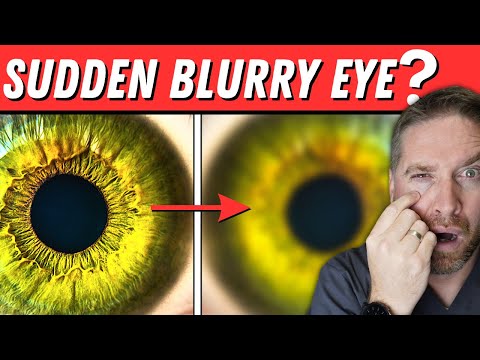
Have you ever tried to focus on something, but everything just seemed… fuzzy? Blurred vision in one eye can be a bit unsettling. Honestly, it might make you feel a mix of confusion and concern.
It’s fascinating how our eyes work together to create a clear picture of the world. When one eye experiences problems, it can really throw things off balance. But what does that actually mean? And more importantly, should we be worried?
This article is all about understanding the potential risks associated with blurred vision in one eye. We’ll talk about common conditions that might cause it, when to seek help, and ways to protect your vision in general. You know, understanding these signs can be super helpful for your overall health.
Just keep in mind that this content doesn’t substitute for professional medical advice. Health decisions shouldn’t be based only on what you read here. Always consult a healthcare professional if you’re feeling uncertain or have concerns about your eyesight.
A Journey Through Perception and Reality
Understanding Blurred Vision in One Eye
Blurred vision in one eye can be a puzzling experience. You might wonder why it’s only affecting one side. The thing is, our eyes work together. If one isn’t functioning properly, it can really change how we see things.
Common Causes
- Refractive Errors: These are pretty common issues where your eye doesn’t bend light correctly. Nearsightedness, farsightedness or astigmatism could cause blurred vision.
- Cataracts: These form when the lens of your eye becomes cloudy. It’s like looking through a foggy window!
- Retinal Detachment: This is a serious condition where the retina pulls away from its usual position. It can lead to permanent vision loss if not treated quickly.
- Macular Degeneration: This condition affects the center of your field of vision and is more common with age. It gradually makes things blurry.
- Surgery or Injury: A physical trauma to the eye or recent eye surgery may also lead to temporary blurriness.
A Few Symptoms to Watch For
If you notice that one of your eyes is blurry, pay attention! Some signs include difficulty reading, trouble seeing at night, or straight lines appearing wavy. These changes can signal something more serious happening.
You might think, “Well, it’s just my eye,” but that’s not always the case. Sometimes it could indicate an underlying condition that needs attention.
The Importance of Getting Checked Out
You know how we sometimes ignore small problems? Blurred vision shouldn’t be put off! A visit to an optometrist or ophthalmologist can help identify the root cause quickly.
The process often involves simple tests like looking at letters on a chart or having drops put into your eyes to check for health issues inside them.
Myths vs Reality
- Mistake 1: Only old people get blurred vision – Wrong! Anyone at any age can experience this issue for various reasons.
- Mistake 2: Blurry vision isn’t serious – Not true! While some causes are mild, others need urgent care so don’t take it lightly!
Your Vision Matters!
Your eyesight plays a big role in how you interact with the world around you. If something feels off with just one eye—don’t hesitate to reach out for help! After all, knowledge is power when it comes to our health.
Simple steps to restore clarity and improve your sight
Understanding Blurred Vision in One Eye
So, blurred vision in one eye can feel pretty unsettling, right? It’s important to know that this symptom can stem from a variety of causes. Sometimes it’s just fatigue, but sometimes it could indicate a more serious issue.
Think of your eyes like a camera. If the lens is dirty or scratched, the pictures won’t turn out clear. Similarly, if something goes wrong with your eye—like an infection or even something like cataracts—it can cause blurriness.
Common Causes
- Refractive Errors: This is when light doesn’t focus correctly on your retina, leading to blurred vision. Conditions include nearsightedness and farsightedness.
- Cataracts: A cataract is like having a cloudy patch on your lens. It makes things look blurry and it’s more common as we age.
- Eye Fatigue: Spending long hours staring at screens can tire your eyes out, causing temporary blurriness.
- Infections or Inflammation: Conditions like conjunctivitis or uveitis can lead to swelling and discomfort in the eye, affecting clarity.
Steps for Restoring Clarity
You might be wondering: what simple steps can I take when experiencing blurry vision? Here are some ideas to consider:
- Adjust Your Screen Time: Taking breaks during screen time helps reduce eye strain. The 20-20-20 rule is handy—every 20 minutes look at something 20 feet away for at least 20 seconds.
- Mantain Good Hydration: Drink plenty of water. Dehydration can make your eyes feel dry and uncomfortable.
- The Right Lighting: Ensure you have adequate lighting while reading or working. Bright lights can strain your eyes while dim lights make you squint!
- Sunglasses are Key:This protects against UV rays when you’re outside. Sun damage over time may worsen vision problems.
- Cataracts: These cloudy areas in the lens of the eye can develop as we age, leading to blurred vision.
- Infections: An infection like conjunctivitis (pink eye) can also affect your clarity of sight.
- Migraine: Some people experience visual disturbances linked to migraines. You know how sometimes a headache comes with lights or colors? It’s similar.
- Stroke: Blurred vision can sometimes signal a stroke, especially if accompanied by weakness on one side of the body or difficulty speaking.
- Tumors: Rarely, tumors near the optic nerve may cause changes in vision; this would need immediate attention.
The Importance of Professional Help
If blurriness lasts for an extended period, it’s important to reach out to an eye care professional. They can perform an exam and determine what might be going on with your vision. Early detection often leads to better outcomes.
This may sound overwhelming but understanding the reasons behind blurred vision is essential for taking action! Always remember that caring for our eyes should be part of our daily health routine.
Naturally, we all want clear vision; after all, sight plays a huge role in how we experience life!
Understanding the Unexpected Causes and What to Do Next
Understanding Blurred Vision in One Eye
Hey there, have you ever experienced blurred vision in just one eye? It can be pretty unsettling, right? There are a few possible causes for this issue, and understanding them might help ease your mind.
Common Causes
Let’s start with some everyday reasons. Sometimes, it could simply be due to dry eyes. When we spend too much time staring at screens or even just not blinking enough, our eyes can dry out. A little rehydration usually does the trick.
Another possibility? Allergies! They can make your eyes itchy and swollen, leading to blurry vision. It’s like that annoying feeling you get when pollen starts flying around in spring; your whole system reacts.
Less Common but Serious Causes
If blurred vision persists or is accompanied by other symptoms like pain or sudden loss of vision, it’s important to pay attention. Conditions like retinal detachment might be at play here. Think of it as a curtain peeling away from a window; if it’s not fixed quickly, it could lead to lasting damage.
What To Do Next
If you’re experiencing blurred vision in one eye and it’s bothering you—or worse yet—getting worse over time, here’s what you should consider doing. First off: don’t panic! Just take note of any other symptoms that pop up alongside it.
A visit to an eye care professional is probably a good idea—if only for peace of mind. They’ll conduct tests that might seem familiar: reading charts and looking into your eyes with bright lights. This way they can figure out what’s happening inside there.
You might wonder about home remedies while waiting for an appointment; things like artificial tears for dry eyes or cool compresses for allergic reactions may help relieve some symptoms temporarily—but always follow up with a professional!
The Bottom Line
This issue often has manageable or simple solutions. But knowing what could be lurking behind those blurry moments helps us address them properly—we aren’t left guessing! Pay attention to your body and don’t hesitate to seek help when things feel off; it’s always better to err on the side of caution!
Understanding the Risks of Blurred Vision in One Eye
Blurred vision in just one eye can be more than an annoyance; it may signal underlying health issues. Often, we think of vision problems as something that happens with age or overuse. But one-eye blurriness might indicate something more serious.
Let’s break it down. Blurred vision usually happens when light isn’t focused properly on the retina, which could result from factors like refractive errors or cataracts. But if this change occurs suddenly in one eye, well, that’s a cause for concern.
Imagine you’re looking through a dirty window; you’d likely clean it to see clearly again. Similarly, blurriness can result from conditions like macular degeneration or diabetic retinopathy. These aren’t just aging issues—they can happen at any age and often require prompt medical attention.
Also, let’s not forget about retinal detachment. This is when the retina pulls away from its usual position. It might come with symptoms like sudden flashes of light or shadows in your vision. These signs shouldn’t be ignored!
In some cases, strokes might also present as blurred vision in one eye. If you experience dizziness or lost balance alongside the blur, it’s critical to seek help quickly.
An important takeaway here is not to ignore these signs. Regular eye check-ups can catch problems early on and prevent complications later.” Understanding that blurred vision could be a symptom of various issues empowers individuals to take action and advocate for their health.