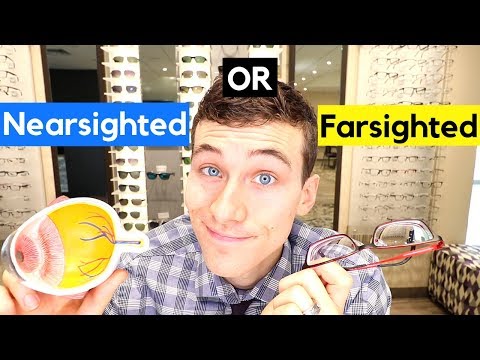
Have you ever noticed that the letters on a distant sign start to blur while the ones up close appear sharp? This common experience is known as nearsightedness, or myopia. It’s like watching your favorite movie theater from a distance, where you can’t quite catch every detail. Understanding nearsighted vision helps us navigate daily life more effectively.
Nearsightedness occurs when light entering the eye is focused in front of the retina, rather than directly on it. This can be caused by an elongated eyeball shape or a cornea that’s too curved. Think of it like a camera lens that’s out of focus—everything far away just isn’t captured clearly.
Fortunately, there are solutions! Glasses and contact lenses are the most common methods for correcting nearsightedness, allowing you to bring distant objects into clear view. Refractive surgery, like LASIK, is another option some people consider for longer-lasting corrections.
While this overview gives you a glimpse into myopia, it’s important to remember that everyone’s eyes are unique. Always seek advice from qualified specialists who can provide personalized insights based on your individual needs.
Warning: With so much information available online and offline about vision health, it’s essential to consult multiple professionals and reputable sources. Not all advice is accurate or applicable to your specific situation. Take time to understand your options thoroughly; after all, your vision deserves it!
The information provided in this article is intended solely for general informational and educational purposes. It does not constitute medical advice, diagnosis or professional treatment, and should not be considered a substitute for consultation with a qualified doctor or other licensed healthcare professional. Any health-related decisions should be made in consultation with accredited medical professionals.
While efforts have been made to ensure the information is accurate and up to date, no guarantees are given—either express or implied—regarding its accuracy, completeness, currency or suitability. Use of this information is at your own discretion.
It is strongly recommended to consult official sources such as the NHS (National Health Service) or other recognised medical institutions before acting on any information contained on this website or article. Under no circumstances should professional medical advice be ignored or delayed due to content read here.
This content is of a general and informational nature only. It is not intended to replace individualised guidance from a healthcare professional or to establish any doctor-patient relationship. The publication of this information does not imply any professional responsibility, guarantee or obligation on the part of the author or this site.
Unveiling the Mystery Behind Blurry Vision
Blurry vision is a common concern that many people experience. It can be frustrating and confusing, especially if it happens suddenly. One common cause of blurry vision is nearsightedness, also known as myopia.
Nearsightedness occurs when the eyeball is too long or the cornea is too curved. This means light focuses in front of the retina instead of directly on it. As a result, objects far away may appear fuzzy while those up close remain clear. Think of it like looking through a camera lens that isn’t quite focused.
There are several reasons why someone might become nearsighted. Genetics plays a significant role; if your parents are nearsighted, there’s a higher chance you might be too. Environmental factors also contribute, such as prolonged screen time or reading in dim light.
To help manage nearsightedness, there are options available. Eyeglasses are the most common solution and can easily correct vision for daily activities. Contact lenses are another choice for those who prefer not to wear glasses.
For some, refractive surgery might be an option worth considering later in life. This includes procedures like LASIK that reshape the cornea for improved focus.
It’s essential to have regular eye exams with an eye care professional. They can catch changes in vision early and ensure you get the right treatment.
In addition to these solutions, maintaining good eye health is crucial. Here are some tips:
Myths about blurry vision abound; one common misconception is that poor vision only affects older adults. In reality, nearsightedness often develops during childhood or adolescence and can continue to change into young adulthood.
Understanding how your eyes work helps demystify why you might experience blurry vision. It’s normal to feel concerned when things don’t look quite right, but knowing the causes can reduce anxiety and lead you toward effective solutions.
Stay proactive about your eye health! Pay attention to changes in your vision and consult with a professional if needed. Your eyesight plays a vital role in your everyday life!
Explore effective solutions to improve your vision and see the world clearly.
Nearsightedness, or myopia, is a common vision problem. It makes distant objects look blurry while close things remain clear. Understanding what causes it can help us consider solutions.
Causative factors for nearsightedness include genetics and environmental influences. If one or both parents are nearsighted, it’s more likely you might be too. Additionally, spending lots of time on screens or reading without breaks can also strain the eyes.
There are several effective solutions to improve vision and manage myopia:
Besides these options, there are steps you can take daily to support eye health:
Nearsightedness typically remains stable through childhood but often progresses during teenage years. So keep an eye on changes with regular check-ups!
Avoid myths that say your vision will never change because of age or lifestyle choices alone; there’s always room for improvement with the right approach.
In summary, understanding myopia opens doors to various management strategies that can enhance your quality of life. By exploring these options and maintaining healthy habits, you can work towards clearer vision!
Discover the Benefits of Clear Vision and Comfort
Having clear vision is something most people take for granted. When you can see well, everyday tasks become easier and more enjoyable. This sense of comfort can greatly enhance your quality of life.
Nearsightedness, or myopia, is a common vision issue. It means you can see nearby objects clearly but struggle to focus on things that are far away. Many people develop this condition in childhood or early adulthood.
Causes of Nearsightedness can vary. Genetics play a significant role; if your parents are nearsighted, there’s a higher chance you’ll be too. Environmental factors like prolonged screen time and reading can also contribute. Think of your eyes as a camera lens; when it doesn’t focus correctly, the image appears blurry.
Recognizing these causes is essential for understanding your vision health. If you find yourself squinting at the board in class or struggling to read street signs while driving, it might be time to explore solutions.
Solutions for Nearsightedness include:
Each option has its pros and cons. It’s important to consult with someone who understands your individual needs before making decisions.
Beyond clear sight, having good vision contributes to overall comfort and confidence in daily life. You may find simple activities like watching movies or enjoying nature much more fulfilling when you can see clearly.
Lastly, practice eye care habits for long-term comfort and clarity. Regular eye exams help catch issues early on. Additionally, taking breaks from screens and practicing the 20-20-20 rule—look at something 20 feet away for 20 seconds every 20 minutes—can ease strain on your eyes.
In conclusion, understanding near sightedness helps empower you to make informed choices about your vision health. Whether it’s through corrective lenses or lifestyle adjustments, every step towards better eyesight brings benefits that enhance daily living.
Understanding nearsighted vision, or myopia, is essential for both individuals experiencing it and those who may not be familiar with the condition. Nearsightedness occurs when light entering the eye focuses in front of the retina instead of directly on it. This leads to difficulty seeing distant objects clearly while nearby objects may appear sharp.
Causes of nearsightedness can vary, but they often include a combination of genetic factors and environmental influences. For example, if one or both parents are nearsighted, their children are more likely to develop the condition. Additionally, spending excessive time on close-up tasks like reading or using screens can contribute to worsening vision.
Fortunately, there are several solutions available for managing nearsightedness. Many people successfully use corrective lenses—glasses or contact lenses—to improve their sight. Another option is refractive surgery, such as LASIK, which reshapes the cornea to allow light to focus properly on the retina.
It’s vital to recognize that while corrective options exist, preventative measures play a significant role too. Encouraging regular eye exams can help detect changes in vision early on. Limiting screen time and engaging in outdoor activities can also support better eye health.
In reflecting on this topic, it reinforces the importance of education and awareness around visual health. Understanding myopia empowers individuals to seek assistance and make informed choices about their eye care. Encouraging open conversations about vision problems will lead to a healthier society overall.