The information provided in this article is intended solely for general informational and educational purposes. It does not constitute medical advice, diagnosis or professional treatment, and should not be considered a substitute for consultation with a qualified doctor or other licensed healthcare professional. Any health-related decisions should be made in consultation with accredited medical professionals.
While efforts have been made to ensure the information is accurate and up to date, no guarantees are given—either express or implied—regarding its accuracy, completeness, currency or suitability. Use of this information is at your own discretion.
It is strongly recommended to consult official sources such as the NHS (National Health Service) or other recognised medical institutions before acting on any information contained on this website or article. Under no circumstances should professional medical advice be ignored or delayed due to content read here.
This content is of a general and informational nature only. It is not intended to replace individualised guidance from a healthcare professional or to establish any doctor-patient relationship. The publication of this information does not imply any professional responsibility, guarantee or obligation on the part of the author or this site.
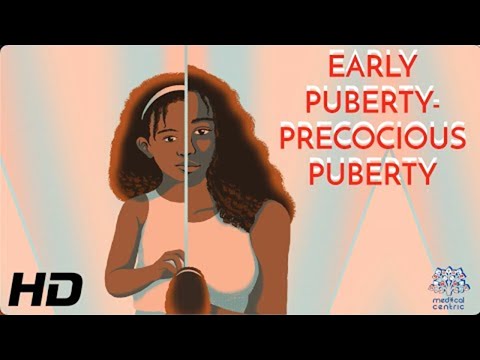
Have you ever noticed a child in your life hitting major growth spurts much earlier than expected? It’s surprising, isn’t it? Early puberty, or precocious puberty as it’s called, is becoming more common today. It raises many questions for parents and caregivers. Why does this happen? What effects can it have on a child’s health and emotional well-being?
In this article, we’ll dive into the causes of early puberty and explore its effects on kids. You’ll learn how it can influence not just physical development but also feelings and social interactions. Honestly, it’s something that doesn’t get enough attention.
We’re here to shed light on the topic in a way that feels approachable and understandable. If you’re feeling concerned or confused about early puberty in a child you know, you’re not alone.
Just remember, this content isn’t meant to replace professional medical advice. Making health decisions should involve consultations with healthcare professionals who know your unique situation.
Uncover the Surprising Diet Choices Linked to Accelerated Development in Kids
Understanding Early Puberty
Early puberty can be surprising, right? It’s when kids start showing physical signs of adolescence unusually early, often before age 9 for girls and age 10 for boys. This can include breast development, body hair growth, or voice changes. But what causes it? Well, there are several factors to consider.
Dietary Influences
You know how food affects our bodies in many ways? Certain dietary choices can also play a role in early puberty. Look at foods high in processed sugars and unhealthy fats. Often found in junk food, these can potentially disrupt hormonal balances. Hormones are basically chemical messengers that tell our bodies what to do.
- Processed meats and dairy products often contain hormones or additives that might interfere with normal development.
- Sugary drinks and snacks contribute to weight gain, which is linked to earlier onset of puberty.
- Some studies suggest an increased intake of soy products might impact hormonal levels too.
The Role of Obesity
This brings us to another point—obesity. When kids carry extra weight, their bodies produce more estrogen, a key female hormone that influences puberty timing. It’s like having too much gas in your tank; it can push you into overdrive sooner than expected.
The Impact of Environment
We can’t forget about the environment either. Exposure to certain chemicals found in plastics or personal care products has been linked with early development as well. Phthalates and bisphenol A (BPA) are examples here; they’re often used in plastic containers and toys.
Cultural Factors
Culture also plays a role! In some societies where diets are rich in specific nutrients (like healthy fats from fish), puberty may start later compared to others with unhealthy eating patterns. It’s interesting how lifestyle choices affect health over generations!
Effects on Kids
If a child goes through puberty too soon, it might lead to emotional challenges or social issues later on. Feeling out of sync with peers can be tough! Plus, there could be risks associated with premature sexual maturity like higher chances of risky behavior among teenagers.
Caring for Children’s Health
The good news? Making informed diet choices helps manage health during childhood! Encourage whole foods like fruits, vegetables, whole grains, lean proteins—stuff that nourishes the body without those added chemicals or hormones.
- Avoid sugary snacks and drinks as much as possible.
- Make healthier swaps: try water instead of soda!
- Select organic produce when feasible—this limits exposure to harmful substances.
Paying attention not just to what kids eat but also how much they move is essential too! Regular physical activity supports healthy development all around—it’s like putting good oil into your engine!
The Bottom Line
So when thinking about diet impacts on child development—be mindful and intentional about what they’re eating! While it won’t solve everything on its own, healthier choices definitely set the stage for better overall health down the line. It’s all connected—you know?
Uncovering the Surprising Factors Behind Early Development in Girls
Understanding Early Puberty in Girls
Early puberty, also known as precocious puberty, occurs when a girl’s body begins to develop earlier than usual. Typically, this is defined as before the age of 8. Now, you might wonder, why does this happen?
Causes of Early Puberty
The causes can be quite varied. Sometimes it’s just a normal variation in development—some kids just mature quicker than others. But there are also other factors at play.
- Genetics: If someone in the family experienced early puberty, there’s a chance it could happen again.
- Environmental factors: Exposure to certain chemicals found in plastics and personal care products may interfere with hormone levels.
- Obesity: Higher body fat can increase estrogen levels in girls, which may trigger earlier development.
- Medical conditions: Some rare disorders affecting the brain or ovaries could also lead to premature changes.
The Effects of Early Puberty
The impact of early puberty isn’t just physical. It can affect emotional and social aspects too. Think about it—if a girl is developing physically but her peers are not, she might feel out of place or even experience anxiety.
- Mental health concerns: Increased risk of depression and anxiety has been observed in girls going through early puberty.
- Sociability issues: They might find it challenging to relate to friends who haven’t matured yet.
- Bodily changes: The physical developments can bring on unwanted attention or pressure.
Caring for Girls Experiencing Early Puberty
If you’re supporting a girl going through early puberty, communication is key. Open discussions about what’s happening can help normalize her feelings and experiences. It’s important for her to know that she’s not alone; many go through similar situations!
Additionally, fostering a supportive environment at home is essential. This means encouraging healthy habits like balanced nutrition and regular exercise which helps mitigate some effects related to weight gain.
You may also want to keep an eye on emotional changes. Look for signs she might need extra support—a trusted adult or counselor could make all the difference here.
A Final Thought
The thing is, while early puberty can be surprising and sometimes overwhelming for girls and their families, understanding the reasons behind it can help ease concerns. Knowledge is power! Being informed enables better decisions around health care choices that fit individual needs well.
Unraveling the Mysteries Behind Early Development in Children
Understanding Early Puberty: Causes, Effects, and Care
Hey there! So early puberty is something that can really trigger a lot of questions for parents and caregivers. It’s important to get a solid understanding of what it means and how it impacts kids.
What is Early Puberty?
Early puberty, or precocious puberty, is when a child’s body starts changing into that of an adult way too soon. Typically, this happens before age 9 in boys and age 8 in girls. You might notice things like breast development in girls or increased testicle size in boys.
What Causes It?
The reasons for early puberty can be varied. Sometimes, it’s linked to hormonal imbalances. Think of hormones as tiny messengers that signal the body on what to do at different stages of life.
- Genetics: If other family members experienced early puberty, your child might too.
- Obesity: Extra body fat can produce more estrogen, which may trigger earlier changes.
- Certain medical conditions: Some health issues can affect hormone levels.
The Impacts
You know, going through these changes earlier than peers can be tough. Kids may face emotional challenges like anxiety or feeling out of place among friends who aren’t developing as quickly.
- Mental Health: It’s not just physical; emotional struggles may arise from the weirdness of change.
- Societal Pressure: Kids might get attention they’re not ready for; it could lead to feelings of being overwhelmed or isolated.
Caring for Children Experiencing Early Puberty
If you suspect your child is entering puberty early, it’s key to talk about these changes openly. Encouraging an honest dialogue helps kids feel supported and less anxious about their feelings.
- Shed Light on Body Changes: Explain what’s happening in simple terms so they know it’s normal but may feel odd sometimes.
- Adequate Nutrition: A balanced diet can help manage growth appropriately. Healthy habits are important!
A Role for Professionals
If you’re concerned about your child’s development timeline, consulting with a healthcare provider can offer clarity. They might suggest tests to check hormone levels or other health aspects that need careful attention—mainly if there’s concern over why their body is changing too soon.
A Final Thought
No one wants their child to feel rushed into adulthood before they’re ready. Understanding early development is crucial for fostering a supportive environment. As you navigate this tricky territory together with your child, just remember: open communication always helps! Kids thrive when they know they have someone on their side during confusing times like these!
Understanding Early Puberty: Causes, Effects, and Care
Early puberty, or precocious puberty, occurs when a child’s body starts going through changes associated with puberty at a younger age than usual. Normally, this begins around 9 for girls and 11 for boys. It’s essential to grasp why this happens and what it means.
There are various causes of early puberty. Sometimes it’s linked to hormonal imbalances or conditions affecting the brain. For instance, tumors or lesions on the brain can trigger early hormone release. Other times, it may be tied to environmental factors like obesity, which can lead to earlier onset due to increased estrogen levels from fat tissue.
The effects of early puberty can be significant. Children may experience emotional challenges as they navigate their feelings about growing up faster than peers. Socially, they might face issues related to fitting in with friends who are not undergoing similar changes.
When it comes to care, monitoring is key. Regular check-ups with healthcare providers ensure that any underlying issues contributing to early puberty are addressed effectively. Treatment sometimes involves medications that delay further development until an appropriate age.
Ultimately, understanding early puberty can help parents and children manage the challenges better together. Open conversations about physical changes are vital for emotional health during this transition.