The information provided in this article is intended solely for general informational and educational purposes. It does not constitute medical advice, diagnosis or professional treatment, and should not be considered a substitute for consultation with a qualified doctor or other licensed healthcare professional. Any health-related decisions should be made in consultation with accredited medical professionals.
While efforts have been made to ensure the information is accurate and up to date, no guarantees are given—either express or implied—regarding its accuracy, completeness, currency or suitability. Use of this information is at your own discretion.
It is strongly recommended to consult official sources such as the NHS (National Health Service) or other recognised medical institutions before acting on any information contained on this website or article. Under no circumstances should professional medical advice be ignored or delayed due to content read here.
This content is of a general and informational nature only. It is not intended to replace individualised guidance from a healthcare professional or to establish any doctor-patient relationship. The publication of this information does not imply any professional responsibility, guarantee or obligation on the part of the author or this site.
Have you ever wondered how your body communicates important health signals? It’s pretty fascinating, right? Sometimes, these signals lead us to procedures like an endometrial biopsy. This might sound intimidating, but understanding it can really help ease any worries you have.
This article will break down what an endometrial biopsy is, why it’s done, and what you can expect during the process. Think of it as a simple guide to demystifying a medical procedure that many women may face at some point in their lives.
Whether you’re dealing with unusual bleeding, or just curious about your reproductive health, knowing more about this topic can empower you. You see, our bodies tell us stories through symptoms. Listening to those stories is crucial for our well-being.
Just remember, this content doesn’t replace professional medical advice. Always consult with a healthcare provider before making health decisions based on anything you read here. Your health is unique to you!
Exploring Insights from Your Endometrial Biopsy Results
Understanding Endometrial Biopsy Results
An endometrial biopsy is a test that collects a small sample of the lining of your uterus, called the endometrium. It’s often done to investigate abnormal uterine bleeding or assess conditions like endometrial hyperplasia or cancer.
After the procedure, you might feel a bit anxious about the results. Honestly, that’s completely normal. The biopsy results can provide important insights about your reproductive health.
What Could Your Results Mean?
The results can come back in several ways. They might show normal tissue, which often means everything is okay, but there are other possibilities too.
- Endometrial Hyperplasia: This means the lining is thicker than usual. It can happen due to hormone imbalances and may require treatment.
- Endometrial Cancer: This is less common but still serious. Finding cancer early makes treating it more effective.
- Atypical Cells: These may not be cancerous but could raise concern; follow-up tests might be needed in such cases.
You May Wonder About Symptoms
If you’re having unusual symptoms like heavy bleeding or irregular cycles, this procedure can really help pinpoint what’s going on inside your body.
You know? It’s helpful to think of an endometrial biopsy as taking a sneak peek into your uterus. The results guide your doctor in understanding any underlying issues and creating a management plan tailored to you.
Follow-Up Questions
If results show something unexpected, it’s important to discuss your options with your healthcare provider. You might have questions about what comes next—whether that’s further testing or starting treatment.
Please remember that everyone’s situation is different. Some patients may have similar results and respond differently because of various factors like age, medical history, and overall health.
Mental Health Matters
The waiting period for those results can be stressful. Talking to someone close to you or seeking support can really help ease that anxiety.Like sharing concerns with friends or family who understand what you’re going through.
A Final Note
Your endometrial biopsy is just one piece of the puzzle regarding reproductive health. Results are incredibly valuable in forming a complete picture of what’s happening in your body!
If you’re feeling confused or overwhelmed by any aspect of this process—don’t hesitate to reach out for support! You’ve got this!
Unlocking the Secrets of Your Endometrial Biopsy Results
Understanding Endometrial Biopsy Results
An endometrial biopsy might sound intimidating, but it’s pretty straightforward. It involves taking a small sample of the lining of the uterus, known as the endometrium. This helps doctors check for problems such as abnormal bleeding, polyps, or even cancer.
What Can You Expect During the Procedure?
You may feel some discomfort during the procedure, sort of like menstrual cramps. Doctors typically use a thin tube to collect the tissue. Usually, it only takes a few minutes.
Afterward, it’s common to experience light bleeding or spotting. Don’t worry—this is normal! Just keep an eye on it; if you see heavy bleeding or severe pain, let your healthcare provider know.
Decoding Your Results
Once your sample is taken, it goes to a lab for analysis. So what will they look for? There are several key findings that might come up in your results:
- Normal: This means everything looks typical and there are no signs of disease.
- Hyperplasia: This refers to an unusually thick endometrial lining. It’s often linked with hormonal imbalances and may require monitoring.
- Atypical Hyperplasia: Here’s where you might hear terms like “precancerous.” This means cells look abnormal but are not full-blown cancer yet.
- Cancer: If cancer cells are found, there will be different follow-up steps you’ll need to take.
Misinformation About Biopsy Results
A lot of people assume that any abnormal result means cancer right away; that’s simply not true. Many issues can arise from benign conditions that don’t require drastic measures.
If you get an atypical result or something concerning appears on your report—don’t panic! Your doctor will discuss next steps with you. Often this might include more tests or treatments tailored just for your situation.
Your Next Steps
No matter what the results indicate, having a conversation with your healthcare provider is pivotal. They can help clarify any confusing points and explain what comes next in detail.
Your feelings after receiving these results can be overwhelming—totally understandable! Talk about them with someone who understands; sometimes just sharing helps lessen anxiety about the unknowns ahead.
The Importance of Follow-Up
If changes were noted during your biopsy—or if anything seems off—it’s crucial not to ignore follow-up appointments. Regular check-ins can help catch any issues early and maintain good health moving forward!
This process is about gaining insights into one aspect of your reproductive health. Stay informed and engaged with your care—it empowers you along this journey!
Understanding the Early Signs of Endometrial Cancer
Endometrial cancer affects the lining of the uterus. Knowing its early signs can help catch it sooner. Look, the symptoms might seem common at first, but recognizing them is important.
Abnormal Bleeding
A key sign is abnormal bleeding from the vagina. This could mean bleeding between periods or very heavy periods. If someone postmenopausal has bleeding, that’s particularly concerning. It’s like your body sending you a signal that something’s off.
Painful Symptoms
Another sign to be aware of is pelvic pain or discomfort. You know, if someone feels ongoing pain in the lower abdomen? That can be a red flag, especially if it feels different than usual.
Unusual Discharge
Look out for any unusual vaginal discharge as well. If it’s watery or tinged with blood when it’s not expected, that’s worth noting. Think of your body as a car; strange noises or leaks usually signal a problem.
Understanding Endometrial Biopsy: What to Expect and Why
If you’re experiencing concerning symptoms, an endometrial biopsy may be recommended. It sounds scary, but it’s usually quick and done in a doctor’s office.
The Procedure
The doctor takes a sample of tissue from the uterine lining to check for signs of cancer or other conditions. Imagine it like taking a tiny bite out of an apple to see if it’s rotten inside.
Why It’s Done
This test helps confirm whether there are any abnormal cells present. Early detection can make all the difference in treatment options and outcomes.
Your Experience
You might feel some cramping during the procedure—similar to menstrual cramps—but many find it manageable. Also, there’s often some spotting afterward. That’s normal too; just like after your period ends and things feel kinda weird for a bit.
When to Seek Help
If you’ve noticed any signs mentioned here, don’t hesitate too long—reach out to a healthcare provider! Ignoring symptoms can lead to more complex issues down the line.
- Treating problems early often leads to better results.
- Your health matters—you deserve answers and support!
- If unsure about anything regarding your symptoms or biopsy results? Ask questions! The more you know, the better you’ll feel about what’s happening in your body.
Remember, understanding these issues is vital for peace of mind and health management—trust yourself and be proactive!
Understanding endometrial biopsy can be a bit daunting, but it’s an important procedure for women’s health. So, what exactly is it? Simply put, an endometrial biopsy is a test to collect tissue from the lining of the uterus. It helps diagnose conditions like abnormal bleeding or uterine disorders.
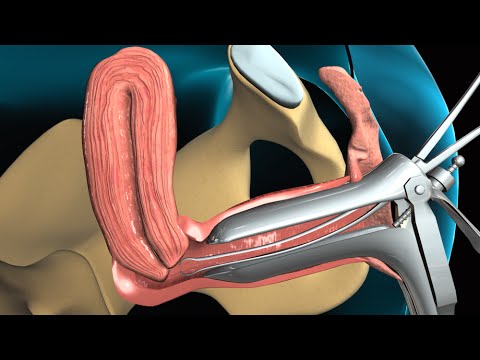
Going into the procedure, patients may understandably feel anxious. Hey, that’s totally normal! The key is knowing what to expect. Generally, it involves a speculum insertion—similar to a Pap smear—and then a small tool is used to take a sample of the endometrium. Sounds simple enough, right?
Now let’s talk about why this biopsy matters. It can reveal issues like hyperplasia (thickened uterine lining) or even cancer—a critical piece of information for managing health effectively. It helps guide further treatment options in collaboration with healthcare providers.
Afterwards, some cramping and spotting are common, but these usually subside quickly. Recovery is generally straightforward and most women can resume normal activities within a day or two.
In reflecting on this procedure, it’s clear that education plays a big role in alleviating concerns. By having open dialogs about what an endometrial biopsy involves and its importance in diagnosing potential issues, women can feel more empowered and prepared.