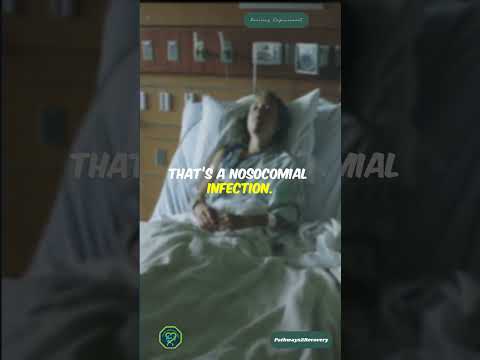
Nosocomial infections might sound complex, but they are simply infections that people acquire in healthcare settings like hospitals and nursing homes. Imagine walking into a place meant to heal and, instead of getting better, you end up catching something else. This isn’t just a scary thought; it’s a reality for many.
These infections can occur during treatments or surgeries and often arise from bacteria, viruses, or fungi that are resistant to antibiotics. Understanding how they spread can help us protect ourselves and our loved ones.
Key points to consider:
The information provided in this article is intended solely for general informational and educational purposes. It does not constitute medical advice, diagnosis or professional treatment, and should not be considered a substitute for consultation with a qualified doctor or other licensed healthcare professional. Any health-related decisions should be made in consultation with accredited medical professionals.
While efforts have been made to ensure the information is accurate and up to date, no guarantees are given—either express or implied—regarding its accuracy, completeness, currency or suitability. Use of this information is at your own discretion.
It is strongly recommended to consult official sources such as the NHS (National Health Service) or other recognised medical institutions before acting on any information contained on this website or article. Under no circumstances should professional medical advice be ignored or delayed due to content read here.
This content is of a general and informational nature only. It is not intended to replace individualised guidance from a healthcare professional or to establish any doctor-patient relationship. The publication of this information does not imply any professional responsibility, guarantee or obligation on the part of the author or this site.
While it’s essential to be aware of these risks, be cautious about where you gather your information. Misinformation can easily spread fear instead of knowledge. Always consult different specialists and utilize various reliable media sources to get well-rounded insights about nosocomial infections. The more informed you are, the better equipped you’ll be to navigate healthcare safely. Remember, curiosity is key!
Understanding the Risks and Realities of Hospital-Acquired Infections
Hospital-acquired infections, also known as nosocomial infections, are infections that patients can get while receiving treatment in a healthcare facility. These infections can complicate patient recovery and lead to longer hospital stays. They are a significant concern for both patients and healthcare providers.
Understanding the risks of these infections is important. Hospitals are environments where many people gather who may be sick or have weakened immune systems. This makes it easier for germs to spread.
Common types of hospital-acquired infections include:
Invasive procedures like surgery or catheter placement increase the risk of infection because they break the skin barrier. Bacteria can then enter the body more easily.
Many factors contribute to hospital-acquired infections, including:
While hospitals work hard to prevent these infections, no system is perfect. Patients with weakened immune systems or chronic illnesses may be at higher risk. This doesn’t mean every patient will get an infection, but awareness is key.
To protect yourself:
Consider asking about:
It’s also crucial to follow your healthcare provider’s instructions after any procedure or treatment. This includes taking antibiotics only as prescribed and monitoring for symptoms like fever or increased pain.
There’s a common myth that all hospitals have high rates of infection; however, many have low rates due to robust infection control measures. Understanding that precautions are taken helps reassure patients.
Remember, knowledge empowers you as a patient. Being informed about potential risks allows you to make better decisions and engage actively in your care journey. If you have concerns about hospital-acquired infections, don’t hesitate to discuss them with your care team—they’re there to help you navigate your health challenges effectively.
Essential Steps Everyone Can Take to Stay Healthy in Healthcare Settings
Staying healthy in healthcare settings is essential for everyone. Hospitals and clinics are places where people go to heal, but they can also harbor infections. These infections, known as nosocomial infections, can sometimes be preventable with simple steps.
First off, hand hygiene is key. Washing your hands with soap and water or using hand sanitizer can significantly reduce the spread of germs. Think of it like keeping your kitchen clean; a clean environment helps prevent foodborne illnesses.
Wearing masks when sick or visiting hospitals helps protect others. If you think about it, it’s similar to wearing a seatbelt in a car—it’s just a safe practice that protects both yourself and others around you.
Avoiding close contact with others who are sick can also lower your risk of catching something unwanted. Just as you might step back from someone sneezing at a bus stop, maintaining distance in healthcare settings is wise.
Keeping surfaces clean is another important step. Hospitals often have high-touch areas like doorknobs and elevators that need frequent disinfecting. You wouldn’t eat on a dirty table at home; it’s the same principle.
Finally, communication with healthcare staff is vital. If something doesn’t feel right during your visit or if you have questions about hygiene practices, ask! Just like discussing plans with family keeps everyone on the same page, clear communication in healthcare settings helps ensure safety.
Remember that awareness and small actions can make a big difference in preventing infections while receiving care. Being proactive not only benefits you but also protects those around you.
Exploring the Hidden Dangers of Hospital-Acquired Infections
Hospital-acquired infections, often called nosocomial infections, are a serious issue in healthcare settings. These infections can occur to patients while they are receiving treatment for other conditions. Understanding them is key to staying healthy during hospital stays.
These infections can be caused by various bacteria, viruses, and fungi. They may be acquired through surgical procedures, medical devices like catheters, or even from staff visiting the patient.
The most common types of nosocomial infections include:
Why should we care about these infections? They can lead to extended hospital stays and sometimes more severe health issues. In some cases, they even cause death.
One major factor contributing to these infections is antibiotic resistance. When antibiotics are overused, bacteria can evolve and become harder to treat. This makes common treatments less effective.
Another important aspect is infection control practices in hospitals. Hospitals work hard to follow strict protocols to minimize risks. However, it’s still essential for patients and their families to be aware of their surroundings.
You might wonder how you can protect yourself or a loved one during a hospital stay:
It’s also good practice to advocate for your health. If something doesn’t feel right or if you notice any signs of infection—like redness around a surgical site or fever—speak up!
Many people believe that hospitals are completely safe environments. However, this isn’t always true. While hospitals provide critical care, they also house many sick individuals with various germs.
In conclusion, while nosocomial infections pose real risks, being informed helps you take proactive steps toward reducing your chances of getting one. Proper awareness and communication can empower you and promote better health outcomes during hospital visits.
Nosocomial infections, commonly known as hospital-acquired infections (HAIs), are a significant concern in healthcare settings. They occur in patients while receiving treatment for other conditions, and understanding them is vital for both healthcare professionals and the general public.
First, it’s essential to recognize that HAIs can arise from various sources, such as unclean hands of healthcare staff, contaminated medical equipment, or the hospital environment itself. The statistics surrounding these infections are alarming; millions of patients worldwide are affected each year, leading to increased morbidity and costs.
Preventing nosocomial infections requires a collaborative effort. Healthcare professionals need to adhere strictly to hygiene protocols, including handwashing and using personal protective equipment. Patients also play a vital role by staying informed about their care and asking questions about cleanliness and infection control measures.
Education is key in managing expectations. Many people believe that hospitals are completely sterile environments; however, while strict protocols exist, no environment can be entirely free of pathogens. Understanding this can help foster more realistic expectations regarding hospital stays and recovery processes.
Ultimately, awareness of nosocomial infections empowers patients to engage more actively in their care journey. By advocating for their health and encouraging vigilance around hygiene practices in healthcare settings, individuals contribute significantly to reducing the risk of these infections. In conclusion, informed conversations regarding HAIs can enhance safety and improve patient outcomes within the healthcare system.