
The information provided in this article is intended solely for general informational and educational purposes. It does not constitute medical advice, diagnosis or professional treatment, and should not be considered a substitute for consultation with a qualified doctor or other licensed healthcare professional. Any health-related decisions should be made in consultation with accredited medical professionals.
While efforts have been made to ensure the information is accurate and up to date, no guarantees are given—either express or implied—regarding its accuracy, completeness, currency or suitability. Use of this information is at your own discretion.
It is strongly recommended to consult official sources such as the NHS (National Health Service) or other recognised medical institutions before acting on any information contained on this website or article. Under no circumstances should professional medical advice be ignored or delayed due to content read here.
This content is of a general and informational nature only. It is not intended to replace individualised guidance from a healthcare professional or to establish any doctor-patient relationship. The publication of this information does not imply any professional responsibility, guarantee or obligation on the part of the author or this site.
Understanding Scapular Winging: Symptoms and Treatment Options
Ever noticed your shoulder blade sticking out a bit more than usual? Maybe you’ve felt some discomfort when raising your arm? These might be signs of scapular winging, a condition that can affect your daily activities. It’s not just about aesthetics; it can impact your strength and mobility.
Scapular winging happens when the shoulder blade moves away from the back, which isn’t normal. It usually indicates an underlying issue with the muscles or nerves that support that area. Understanding this condition is key to managing symptoms effectively.
This article will break down what scapular winging is all about, helping you recognize its symptoms and explore treatment options available. You might be surprised at how manageable this condition can be with the right approach.
But remember, this content doesn’t replace medical advice. It’s always important to consult a healthcare professional for personalized guidance regarding your specific situation and health decisions.
Restoring Shoulder Mobility and Confidence
Understanding Scapular Winging
Hey, let’s talk about scapular winging. It’s when your shoulder blade sticks out like a little wing when you move your arm. This can be a sign that something’s off with the muscles that support it. It’s kinda like your shoulder blade has lost its ability to sit flat against the back.
There are a couple of common causes for this winging. One of the most frequent is weakness in the serratus anterior muscle. You know, that’s the muscle that helps hold the scapula against your rib cage. If it’s not working properly, it can’t do its job well. Sometimes, nerve damage plays a role too—especially to the long thoracic nerve.
Symptoms of Scapular Winging
You might notice some noticeable symptoms if you’re dealing with scapular winging. A key sign is that your shoulder blade protrudes when you reach or push something away. You might feel some pain or discomfort in your shoulder area as well.
Sometimes people experience weakness in their arm too, making lifting things feel heavy and awkward. Think about how hard it is to throw a ball if one side doesn’t work right—it’s frustrating!
Treatment Options
Addressing scapular winging involves several strategies aimed at rebuilding confidence and mobility in your shoulder area.
- Physical Therapy: Working with a physical therapist can help strengthen those important muscles around your shoulder blade.
- Exercises: Simple exercises focusing on stability and strength can make significant differences over time. Think about wall slides or gentle push-ups against the wall.
- Nerve Treatment: If nerve issues are involved, targeted therapies may help improve function over time—maybe even including electrical stimulation.
The key here is consistency. Just like learning to ride a bike, it’s all about practice and patience! You might feel little changes first but over time they can accumulate into more significant improvements.
The Emotional Side
Suffering from scapular winging isn’t just physically tough; it can also impact confidence levels too—especially if you’re worried about what others think or if you’re avoiding activities you once loved.
A good support system really helps—you know? Connecting with friends who understand what you’re going through or talking to someone who shares similar experiences often makes a difference!
Moral of the Story
If you think you have scapular winging or you’re struggling with any related issues, getting assessed by healthcare providers who understand shoulders is important. They can guide you through an individualized treatment plan that’s best for you—because everyone’s body is different.
The journey to restoring mobility and gaining back confidence isn’t easy, but understanding what’s happening is always step one! When your body works better again, everyday activities become less daunting and more enjoyable!
Uncovering the Nerve Behind Scapula Winging: A Deep Dive into Muscle Paralysis
Understanding Scapula Winging
Scapula winging is a condition where the shoulder blade (scapula) sticks out from the back. Imagine if your shoulder blade was like a kite in the wind, lifting off from your body. This occurs when muscles that normally hold the scapula flat against your ribcage are weak or paralyzed.
What’s Behind Scapular Winging?
The long thoracic nerve plays a crucial role here. It innervates (or affects) the serratus anterior muscle, which helps keep the scapula stable. If this nerve gets damaged—say, due to an injury or even overuse—the serratus anterior can’t work properly.
This is where things get tricky. Without a strong serratus anterior, the scapula can’t sit snugly against your ribs. Instead, it might pop out when you raise your arm or lift something—this is what we call scapular winging.
Symptoms of Scapular Winging
You might notice some telltale signs if you’re dealing with this condition:
- The shoulder blade visibly protrudes during arm movements.
- You may feel weakness when raising your arm overhead.
- Pain or discomfort in the shoulder area could be present.
What Causes Damage to the Long Thoracic Nerve?
There are several factors that can lead to long thoracic nerve damage:
- Direct trauma to the shoulder area from sports injuries or falls.
- Poor posture over time may irritate and stress the nerve.
- Certain surgeries can potentially lead to nerve damage as well.
Treatment Options for Scapular Winging
Treatment often starts with physical therapy focused on strengthening surrounding muscles and improving overall function. Therapy may include specific exercises aimed at activating and building strength in both the serratus anterior and other stabilizing muscles around the shoulder girdle.
Sometimes, people consider surgical interventions if conservative treatments don’t help after a while. Procedures might involve repairing any underlying issues with nerves or muscles—but that’s typically not a first-line option!
A Final Thought
If you suspect you have scapular winging, it’s important to talk with a healthcare provider who can guide you through diagnosis and treatment options tailored to your individual needs. Remember, early intervention can make a big difference! Understanding how these intricate systems work together helps us appreciate our bodies even more.
Understanding the Different Forms and Causes of Scapular Winging
What is Scapular Winging?
Scapular winging is when the shoulder blade (or scapula) sticks out away from the back. Normally, the scapula lies flat against the rib cage, helping with arm movement and stability. When it wings out, it can create discomfort, limit mobility, and sometimes affect how well you can perform everyday tasks.
Forms of Scapular Winging
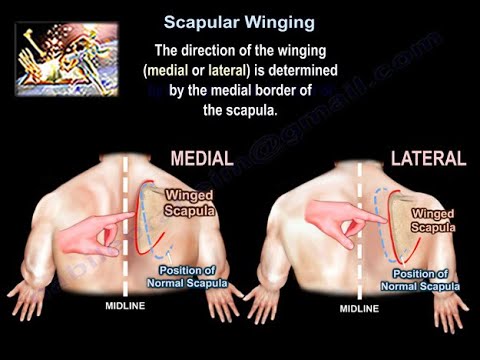
There are mainly two forms of scapular winging: medial winging and lateral winging. Medial winging occurs when the inner edge of the scapula moves away from the spine. Lateral winging means that the outer edge moves away from the rib cage.
The causes for these different forms often relate to which muscles are weak or not functioning properly. For instance, if your serratus anterior muscle isn’t doing its job right, you may see medial winging. The serratus anterior acts like a stabilizer for your scapula.
What Causes Scapular Winging?
There are several factors that can lead to scapular winging. Weakness in specific muscles is a major culprit. Conditions like muscular dystrophy or nerve injuries can impact muscle strength around your shoulder blade.
A common condition linked to this is long thoracic nerve palsy. This nerve helps control the serratus anterior muscle mentioned earlier. Damage to it can make that muscle weak and lead to winging.
Sometimes, trauma or surgery near the shoulder could also affect these nerves or muscles. Even poor posture over time might contribute to developing this issue.
Symptoms You Might Experience
- Pain in your shoulder area
- Difficulties lifting your arm
- A flattened or protruding scapula
- Reduced strength while performing daily activities
- Tightness in surrounding muscles
Treatment Options Available
The treatment for scapular winging usually starts with physical therapy. A therapist will help you strengthen and stabilize those key muscles around your shoulder blade.
This might involve exercises focused on improving range of motion and building strength in your shoulders and upper back. Sometimes they might use manual techniques or recommend posture changes too.
If conservative treatment doesn’t help after some time, a doctor may suggest other interventions like surgery to repair any nerve damage—this is less common but an option if needed.
A Final Thought on Prevention
You know, staying active and maintaining good posture can go a long way in preventing problems like scapular winging. Simple stretching exercises throughout your day can help keep those important muscles engaged!
Scapular winging is a condition that can often be overlooked but has significant impacts on shoulder function and overall mobility. Essentially, it occurs when the shoulder blade, or scapula, protrudes away from the back instead of lying flat against it. This can lead to pain, difficulty in lifting the arms, and a noticeable change in shoulder appearance.
Symptoms commonly include discomfort during movement and visible winging of the scapula when pushing or lifting. People might also experience weakness in certain arm motions. These symptoms often stem from various underlying issues like nerve injuries or muscle imbalances.
Treatment options vary based on the cause and severity of the winging. Physical therapy usually plays a crucial role, focusing on strengthening weak muscles around the scapula and improving overall posture. Sometimes bracing may help support proper alignment during healing.
Surgery seems to be a last resort for more severe cases. The important takeaway here is that early diagnosis can make a significant difference in treatment outcomes and recovery time. It’s vital to address any persistent shoulder discomfort with appropriate medical guidance.


