The information provided in this article is intended solely for general informational and educational purposes. It does not constitute medical advice, diagnosis or professional treatment, and should not be considered a substitute for consultation with a qualified doctor or other licensed healthcare professional. Any health-related decisions should be made in consultation with accredited medical professionals.
While efforts have been made to ensure the information is accurate and up to date, no guarantees are given—either express or implied—regarding its accuracy, completeness, currency or suitability. Use of this information is at your own discretion.
It is strongly recommended to consult official sources such as the NHS (National Health Service) or other recognised medical institutions before acting on any information contained on this website or article. Under no circumstances should professional medical advice be ignored or delayed due to content read here.
This content is of a general and informational nature only. It is not intended to replace individualised guidance from a healthcare professional or to establish any doctor-patient relationship. The publication of this information does not imply any professional responsibility, guarantee or obligation on the part of the author or this site.
Have you ever wondered what really happens when those stitches come out? It’s a common experience for many, yet it can feel a bit daunting. You know, stiches are like tiny safety nets, holding everything together while your body heals. But removing them isn’t always as simple as it sounds.
Understanding the process of stitch removal can help ease your worries. This isn’t just about pulling them out; it’s important to know when and how to do it safely. After all, you want to ensure that everything is healing properly.
This article will guide you through the ins and outs of stitch removal, including what to expect and how to prepare. We’ll cover when stitches should be taken out, signs of complications, and tips for after-care.
It’s essential to remember this information doesn’t replace medical advice. Each situation is unique, so always consult a healthcare professional before making any decisions about your health.
By the end, you’ll feel more confident and ready for this small but significant step in your recovery journey!
The Hidden Risks of Delaying Stitches Removal
When you get stitches, it’s usually after an injury or surgery. They help your skin heal properly. But, what happens if you wait too long to get them removed? Let’s break it down.
Infection Risk
First off, the more stitches stay in, the higher the chance of infection. Think of it like a little bandage that can trap germs. If those germs get in, it can lead to redness, swelling, and sometimes discharge. Not fun!
Scarring Potential
If stitches are left too long, they might cause more scarring than necessary. It’s like wearing a tight rubber band around your wrist for too long—it leaves a mark! Proper timing helps minimize those scars.
Pain and Discomfort
Sometimes delayed removal can lead to increased pain or discomfort as well. If the stitches irritate the skin surrounding them, you might experience itching or a pulling sensation. It’s annoying and can make everyday activities harder.
Wound Healing Issues
If stitches aren’t taken out on time, they could hinder the healing process itself. Your body is amazing at repairing itself but having foreign material in place for too long can confuse things.
The Importance of Follow-Up Care
So how do you avoid these problems? Keeping up with any follow-up appointments is key! Doctors often give guidance on when to return for stitch removal—usually within 5 to 14 days after placement.
What Can You Expect When Removing Stitches?
- Your doctor will examine the area first.
- A small tool is used to cut each stitch gently.
- You might feel a tiny tug but no major pain should occur.
- The area may be cleaned afterwards.
- You’ll likely receive care instructions after removal.
A Quick Reminder
Nobody wants complications from simple decisions about their health. So remember: stay on top of wound care and pay attention to your body’s signals. If something feels off after getting stitches—like excessive redness or swelling—it doesn’t hurt to consult with someone who knows!
If you’re ever unsure about when it’s time for removal—or if you think you’ve waited too long—it’s always best to reach out for professional advice rather than guessing yourself!
Understanding the Best Care for Your Healing Skin
Hey there! When you deal with stitches, it’s normal to wonder how to take care of your skin while it heals. Healing skin is a process, and understanding what to expect can really help.
What Are Stitches For?
Stitches hold your skin together after an injury or surgery. Think of them like buttons on a shirt—they keep everything in place until it’s secure again. They can be made from different materials, which dissolve over time or need to be removed later.
When Are Stitches Usually Removed?
So, when do you get those stitches out? Typically, it’s anywhere from 5 to 14 days post-surgery. The exact timing varies depending on where they are and the type of stitch used. Always follow your healthcare provider’s advice; they know best!
Caring for Your Skin While It’s Healing
Caring for the area is super important. Keep the site clean but avoid scrubbing too hard—gentle is key here! You might use mild soap and water. Pat it dry rather than rubbing, since rubbing can irritate sensitive skin.
And don’t forget about moisturizer! Keeping the area slightly moist helps prevent scabs that can pull at the stitches, making them uncomfortable. Look for lotions without fragrances—those are often gentler on healing skin.
What Happens During Stitch Removal?
The removal process itself isn’t usually painful; you might feel a slight tugging sensation, but that’s pretty much it! It only takes a couple of minutes. A healthcare professional will snip each stitch with scissors designed just for this purpose.
Post-Removal Care
Once the stitches are out, keep an eye on your skin. It may look red or swollen at first—that’s normal. However, if any unusual symptoms pop up like increased pain or pus discharge, you should reach out!
Mistakes To Avoid
- Don’t remove stitches yourself unless advised by a professional.
- Avoid exposing healing areas to direct sunlight; UV rays can discolor new skin.
- Don’t scratch or pick at scabs—their presence indicates healing!
The Bottom Line
Your healing journey doesn’t stop once the stitches are out; caring for your skin is essential post-removal as well. Listen to your body and give yourself some grace during this process—it’ll pay off in the long run!
Understanding Your Recovery Timeline After Stitches Are Removed
When those stitches finally come out, it can feel like a relief, right? But what comes next? Recovery doesn’t just stop there. It’s actually the beginning of another phase in healing.
What Happens When Stitches Are Taken Out?
After stitches are removed, your body is still doing some important jobs. The skin needs time to fully heal. Think of it like closing a door; just because it’s closed doesn’t mean it’s sealed up tight yet.
The tissue underneath is still regenerating and repairing itself. Depending on the depth and location of the stitch, it could take anywhere from a few days to several weeks for everything to settle down.
Timeline Expectations
- First Few Days: You might notice some redness or swelling where the stitches were. This is normal.
- After One Week: Most people see an improvement in those symptoms. The area should feel less tender.
- Two Weeks In: Significant healing should occur, but don’t push it too hard with activities just yet.
- A Month Later: Full healing may still not be complete, but you should be able to resume most normal activities.
Pain and Discomfort
You might experience some pain even after stitches come out. That’s your body informing you that it’s still working on repairs down there. Over-the-counter pain relief can help if you find discomfort bothersome.
Caring For Your Wound Post-Stitch Removal
Your wound care doesn’t just end when those stitches are gone. Keeping the area clean is critically important. Gently wash it with soap and water daily, then pat it dry with a clean towel—no scrubbing!
If you’re advised to apply ointment or moisturizer, follow those instructions closely. Not everyone will need this step though; sometimes simple air exposure does wonders as well!
Signs That You Should Consult Someone
If you notice increased redness, warmth, or discharge that looks yellow or green—those might be signs of infection! Also watch for fever or increasing pain that’s not getting better over time.
The Bottom Line
Your recovery after stitch removal varies based on many factors: location of the wound, depth, and your overall health condition all play roles here. Just remember; healing takes time! Following care instructions helps guide your body toward full recovery without rushing things unnecessarily.
Removing stitches is a common part of many healing processes. It’s important to understand what to expect during this time, as it can ease any anxiety associated with it. The thing is, stitches help hold tissue together while it heals, and understanding their removal can make the experience smoother.
First off, the timing of stitch removal varies depending on where they are and the type of wound. Usually, it ranges from 5 to 14 days after they are placed. You know, your healthcare provider will tell you when it’s right time for you.
When the day comes for removal, many people feel a bit nervous. It’s normal! Depending on the case, stitches might be removed in a clinical setting or at home. In either case, cleanliness is key to prevent infection.
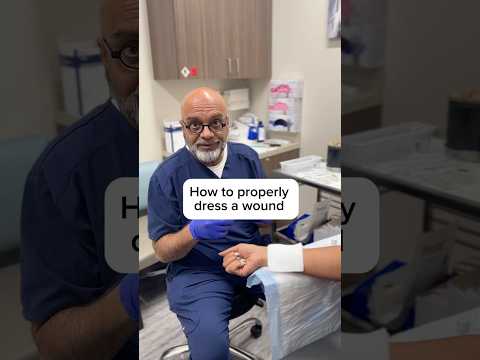
During removal, you might feel some tugging but shouldn’t experience pain. If there’s discomfort, that’s something to mention immediately. After taking out the stitches, a bandage is usually applied for protection.
Following up is essential too; keeping an eye on the wound helps ensure that healing continues well and any signs of infection—like redness or swelling—are caught early.
Ultimately, understanding what happens during stitch removal can transform an intimidating process into one that feels much more manageable. Preparation and communication with healthcare providers makes all the difference here.