The information provided in this article is intended solely for general informational and educational purposes. It does not constitute medical advice, diagnosis or professional treatment, and should not be considered a substitute for consultation with a qualified doctor or other licensed healthcare professional. Any health-related decisions should be made in consultation with accredited medical professionals.
While efforts have been made to ensure the information is accurate and up to date, no guarantees are given—either express or implied—regarding its accuracy, completeness, currency or suitability. Use of this information is at your own discretion.
It is strongly recommended to consult official sources such as the NHS (National Health Service) or other recognised medical institutions before acting on any information contained on this website or article. Under no circumstances should professional medical advice be ignored or delayed due to content read here.
This content is of a general and informational nature only. It is not intended to replace individualised guidance from a healthcare professional or to establish any doctor-patient relationship. The publication of this information does not imply any professional responsibility, guarantee or obligation on the part of the author or this site.
11 Effective Home Remedies for Ovarian Cyst Discomfort
Ever felt that nagging pain in your lower abdomen and wondered if it might be something serious? It’s actually pretty common for women to deal with ovarian cysts at some point in their lives. These fluid-filled sacs can cause discomfort, and honestly, it’s no fun at all.
Look, the thing is, many women find themselves asking how to manage that discomfort. You’re not alone; so many of us are searching for relief without wanting to dive headfirst into medication or surgery right away. Sometimes, simple home remedies can provide a bit of comfort when things get tough.
This article dives into 11 effective home remedies that may help ease your ovarian cyst discomfort. From heat therapy to dietary changes, these options are here to offer support. Remember though, these suggestions don’t replace medical advice. It’s crucial to speak with a healthcare professional before making any health decisions based on what you read here.
So grab a cup of tea and let’s explore some gentle strategies that might just help you feel a little better!
Simple and Effective Remedies for Finding Relief at Home
Understanding Ovarian Cysts
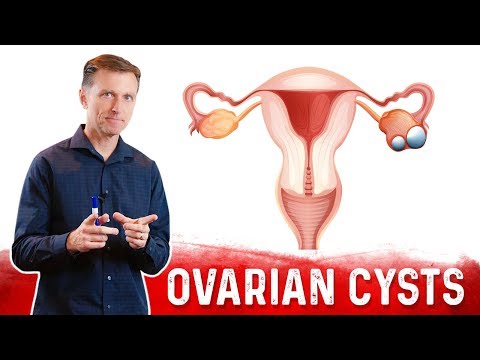
Ovarian cysts are fluid-filled sacs that form on the ovaries. They’re often harmless and quite common. Many women won’t even know they have them. But sometimes, they can cause discomfort or pain, which is not fun at all.
Home Remedies for Discomfort
If you’re feeling some discomfort from ovarian cysts, there are several home remedies you might consider trying. Remember, these methods are about finding relief and not a substitute for medical care.
1. Heat Therapy
A heating pad or warm compress can provide soothing relief. The warmth helps to relax muscles around your abdomen and improve blood flow. Just be careful not to burn yourself!
2. Herbal Teas
Herbal teas like chamomile or peppermint can be calming. They may help relieve bloating and discomfort too. Sip on a warm cup instead of grabbing soda.
3. Proper Diet
Eating a balanced diet rich in fruits, vegetables, and whole grains can benefit your overall health. Reducing caffeine and sugar may also help manage symptoms, as these can sometimes irritate the body.
4. Regular Exercise
Gentle exercise like walking or yoga can help reduce stress and promote general wellness. Look at it this way: moving your body releases endorphins that make you feel good!
5. Stress Management
Sometimes stress makes everything feel worse, right? Relaxation techniques such as deep breathing or meditation might help reduce tension in your body.
6. Apple Cider Vinegar
This is a popular home remedy but has mixed results according to studies—some people swear by it! Mixing it with water could assist digestion and might ease bloating.
7. Dietary Supplements
Certain supplements like vitamin E or omega-3 fatty acids are thought to support ovarian health too.. Always check with someone knowledgeable before trying new supplements though!
A Word of Caution
If discomfort persists or worsens, it’s really important to seek professional advice from a healthcare provider.
You see, some symptoms need medical attention! Don’t hesitate to reach out for that peace of mind.
Your Comfort Matters
The thing is to listen to your body and find what works best for you personally . Each person is different; what brings relief for one person may not work the same way for another.
- Stay informed about your body.
- Create a supportive environment at home.
- You know? It’s okay to seek help when you need it!
Effective tips to ease your discomfort and find relief
Understanding Ovarian Cysts
Ovarian cysts are fluid-filled sacs that can form on the ovaries. Many women will have them at some point, and often they don’t cause any symptoms. However, in some cases, they can lead to discomfort or pain. It’s important to pay attention to your body and know what might help you feel more comfortable.
Home Remedies for Discomfort
There are various home remedies you might consider trying if you’re feeling discomfort from ovarian cysts. These won’t replace medical advice, but they can help ease some symptoms.
1. Heat Therapy
A warm compress or heating pad can do wonders. Just place it on your lower abdomen for 20 minutes at a time. Heat relaxes muscles and increases blood flow, which may lessen pain.
2. Herbal Teas
Certain herbal teas like chamomile or ginger tea could provide relief. They have anti-inflammatory properties that might ease your discomfort while also helping with relaxation.
3. Dietary Adjustments
You know, sometimes what we eat matters a lot! A balanced diet rich in fruits, vegetables, and whole grains can support overall health. Some people find reducing dairy or processed foods helps with inflammation.
4. Regular Exercise
Mild exercise like walking or yoga may improve circulation and reduce stress—both good things when dealing with discomfort from ovarian cysts. Plus it helps keep your mood lifted.
5. Adequate Hydration
Staying hydrated is crucial! Water helps keep everything functioning well in our body and can sometimes lessen feelings of bloating that accompany cysts.
6. Pain Relievers
If you’re experiencing pain, over-the-counter pain relievers like ibuprofen may provide some relief too—just follow the directions on the label or consult someone who knows about medications if unsure.
Mental Health Matters Too!
The experience of dealing with ovarian cysts can be stressful emotionally as well as physically. Practicing mindfulness or meditation could help take your mind off discomfort while promoting relaxation.
When to Seek Help
If you experience severe pain, unusual bleeding, or any other concerning symptoms like fever or nausea, it’s best to reach out to a healthcare provider as soon as possible.
Your Experience Matters
The impact of ovarian cysts varies from person to person; everyone has their own story and journey through this experience.
Listening to your body is essential—if something doesn’t feel right, don’t hesitate to get checked out by a professional!
This information aims to provide you insight into ways you might alleviate discomfort related to ovarian cysts at home using simple remedies and lifestyle choices!
Nourish Your Body to Alleviate Discomfort and Promote Wellness
When facing discomfort, like that from ovarian cysts, what you eat can impact how you feel. It’s not just about pain relief; it’s about giving your body the nutrients it needs to function better. Let’s dive into some home remedies that focus on nourishment and wellness.
1. Stay Hydrated
Water is essential for your body. Hydration helps maintain bodily functions and can even reduce bloating associated with cysts. Think of water as a lubricant for your organs.
2. Incorporate Omega-3 Fatty Acids
Foods like salmon, walnuts, and flaxseeds are rich in omega-3s. These healthy fats can help reduce inflammation, which might help ease discomfort.
3. Eat More Fruits and Veggies
Fresh produce contains antioxidants that support overall health. Berries, spinach, and broccoli are great choices. They also provide fiber, helping digestion—something everyone could use.
4. Try Herbal Teas
Certain herbal teas may offer relief from discomfort as well. Chamomile or ginger tea are popular options that some people find soothing.
5. Limit Processed Foods
You know those packaged snacks? They often contain additives that aren’t great for your body. Focusing on whole foods helps minimize inflammation—and sometimes the pain too!
6. Balance Your Hormones with Diet
A balanced diet is key for hormone regulation. Foods like avocados, nuts, and seeds can support hormonal balance, which is essential if you’re dealing with ovarian cysts.
7. Consider Supplements Carefully
If you’re thinking about supplements like vitamin D or calcium, talk to someone knowledgeable first! It’s important they fit into your overall wellness plan.
Coping Strategies Beyond Diet
Nourishment isn’t just about what goes in your mouth; it’s also about self-care practices to feel better overall.
- Meditation: It helps calm the mind and relieve stress and stress may worsen symptoms.
- Mild Exercise: Gentle activities such as walking or yoga promote blood flow without putting extra strain on the body.
- Sufficient Sleep: Quality rest is crucial for recovery—your body does its best healing when you sleep!
Your wellness journey involves more than just food; think of it as a holistic approach where both diet and lifestyle play roles in how you feel day-to-day.
If any discomfort persists or worsens over time, it’s always wise to consult a healthcare provider for tailored advice!
Reflection on Home Remedies for Ovarian Cyst Discomfort
When discussing home remedies for ovarian cyst discomfort, it’s important to understand the condition itself. Ovarian cysts are fluid-filled sacs on the ovaries and can sometimes cause pain or discomfort. Many individuals seek alternatives to conventional medicine, which is where home remedies come in.
Some common strategies include heat therapy, like warm compresses, which can help soothe pain. Herbal teas, like chamomile or ginger tea, are often recommended. These can have anti-inflammatory properties that may relieve discomfort.
Diet also plays a role in managing symptoms. Foods rich in omega-3 fatty acids—think salmon and walnuts—are known to reduce inflammation. Staying hydrated is essential too; water helps maintain bodily functions and might ease some symptoms.
Exercise might seem counterintuitive during times of discomfort, but gentle activities like walking or yoga can improve blood flow and overall well-being. It’s all about finding what feels right for you.
However, there’s a catch: these remedies might not work for everyone. Each person’s body responds differently, so it’s crucial to listen to your own needs.
And let’s not forget that while these remedies may provide relief, they shouldn’t replace professional medical advice or treatment when necessary. If you’re experiencing severe pain or other concerning symptoms, reaching out to a healthcare provider is always the best route.
The conversation around home remedies should emphasize balance: it’s great to explore options but staying informed about one’s health is key t o making wise choices.