The information provided in this article is intended solely for general informational and educational purposes. It does not constitute medical advice, diagnosis or professional treatment, and should not be considered a substitute for consultation with a qualified doctor or other licensed healthcare professional. Any health-related decisions should be made in consultation with accredited medical professionals.
While efforts have been made to ensure the information is accurate and up to date, no guarantees are given—either express or implied—regarding its accuracy, completeness, currency or suitability. Use of this information is at your own discretion.
It is strongly recommended to consult official sources such as the NHS (National Health Service) or other recognised medical institutions before acting on any information contained on this website or article. Under no circumstances should professional medical advice be ignored or delayed due to content read here.
This content is of a general and informational nature only. It is not intended to replace individualised guidance from a healthcare professional or to establish any doctor-patient relationship. The publication of this information does not imply any professional responsibility, guarantee or obligation on the part of the author or this site.
Ever found yourself feeling achy and heavy in your legs after a long day? You’re not alone. Varicose veins affect millions of people, often causing discomfort and even embarrassment. They can be a real pain, both literally and figuratively.
But here’s the good news: there are effective exercises that can help relieve some of that discomfort. Think of these movements as a way to boost circulation and strengthen your leg muscles. They’re not just for athletes; they’re for anyone looking to feel better.
This article dives into practical exercise routines designed specifically for varicose vein relief. You’ll find out how simple activities, like walking or stretching, can make a difference in how you feel day-to-day.
Remember, though, this information is meant to guide you. It doesn’t replace professional medical advice. Always consult with your healthcare provider before starting any new exercise program or making significant changes to your routine.
Your health matters, and taking the right steps can make all the difference!
The Surprising Impact of Movement on Your Veins
Movement is, honestly, something we often take for granted. But did you know it can have a huge effect on your vein health? Varicose veins, those bulging, twisted veins that often appear in the legs, can become uncomfortable. Regular physical activity might help address some of that discomfort.
What Are Varicose Veins?
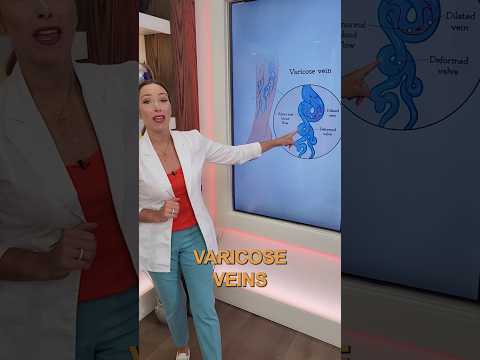
So, what exactly are varicose veins? They happen when the valves in your veins weaken. These valves normally help blood flow back to the heart. When they don’t work well, blood can pool in the veins—kind of like traffic jam but for blood! The result is swelling and discomfort, especially after standing or sitting for long periods.
The Role of Exercise
You might wonder how movement plays into this picture. Well, when you exercise, your calf muscles act like pumps. They push blood upward through your veins towards your heart. This natural pumping helps reduce pooling in the lower legs. Think of it like squeezing toothpaste from the bottom of the tube toward the top.
Effective Exercises to Consider
- Walking: Just a simple stroll gets those muscles working and encourages better circulation.
- Cycling: Whether on a stationary bike or outdoors, cycling also activates those calf muscles nicely.
- Leg Raises: Laying on your back and raising your legs can improve venous return—fancy talk for getting blood back up toward your heart.
- Ankle Flexes: While sitting or standing, flexing and stretching your ankles can stimulate circulation without needing much space!
A Few Things to Keep in Mind
If you’re experiencing varicose vein discomfort, movement is usually a good idea—but listen to your body! Don’t overdo it; start slow and build up as you feel comfortable. Also remember that not all exercises are right for everyone; sometimes high-impact activities could worsen symptoms instead.
Lifestyle Factors Matter Too
It’s not just about exercise; other factors play a role too! Staying hydrated helps maintain good blood flow. Also think about wearing compression stockings if you’re going to be active—or even sitting for long stretches—as they help support vein function.
Lastly—and this is important—always consult with someone who knows about vein health before starting any new fitness routine. They can help point you toward what makes sense for you personally. Movement has potential benefits but it’s all about finding what works best! So why not give some gentle exercises a try? You just might notice some changes over time!
Move Smart: The Exercises to Skip for Healthy Legs
Understanding Varicose Veins
Varicose veins are those swollen, twisted veins that often appear on the legs. They occur when blood pools in the veins due to weak or damaged valves. Think of it like a garden hose with a kink; water can’t flow freely, leading to bulges.
For many people, varicose veins can cause discomfort, fatigue, and sometimes pain. So the question arises: what exercises should you do or skip for healthier legs? Let’s dive into that.
Exercises That May Worsen Varicose Veins
- High-impact aerobics: Jumping and bouncing movements can put extra pressure on your legs.
- Heavy weightlifting: Lifting very heavy weights, especially while standing, can increase strain on your leg veins.
- Sitting for long periods: While not an exercise per se, prolonged sitting without moving can lead to blood pooling.
- Certain yoga poses: Some advanced poses that require deep bending or balancing on one leg may not be ideal. They can restrict blood flow in some cases.
Smart Movement Choices
You know, staying active is important for leg health. But some exercises are more beneficial than others for those with varicose veins. Low-impact activities work well here.
- Walking: Simple yet effective! It promotes circulation without putting too much stress on your legs.
- Cycling: Riding a bike is gentle on the joints and helps keep blood flowing smoothly.
- Swimming: Being in water supports your body weight, allowing you to exercise without straining your legs much at all!
The Importance of Stretching
Dedicating time to stretch is a great way to help relieve discomfort from varicose veins. Gentle stretches keep muscles flexible and encourage blood flow.
Add Some Routine Changes
If you’re dealing with varicose vein discomfort, consider adjusting your routine beyond just exercise. Standing up regularly during long periods of sitting helps too! Even small changes matter; try elevating your legs when resting or using compression stockings if recommended by someone who knows about these things.
A Balanced Approach is Key
The bottom line? Finding the right balance between strengthening and relieving pressure off your legs really matters. Everyone’s body reacts differently; it’s essential to listen to how yours feels while choosing exercises and activities.
If something causes pain or discomfort—no need to push through it! It’s totally okay to modify movements or take breaks as needed.
Empower Your Legs: Simple Moves to Alleviate Discomfort and Boost Circulation
Understanding Varicose Veins
Varicose veins are swollen, distorted veins that usually appear blue or dark purple. They often pop up in your legs. You might feel heaviness or discomfort, especially after sitting or standing for long periods. It’s common and can affect anyone, though they’re more often seen in older adults.
What’s Causing the Discomfort?
The discomfort you feel may come from blood pooling in the veins. Normally, one-way valves in your veins help blood flow back to your heart. When these valves don’t work properly, blood accumulates. This can lead to that achy feeling.
Exercise: A Simple Solution
Regular exercise can help improve circulation and may alleviate some of the discomfort associated with varicose veins. Think of exercise like oiling a rusty hinge—it helps things move smoothly again.
Low-Impact Movements
You don’t have to run marathons to get benefits! Low-impact exercises are often best if you’re dealing with leg discomfort. Walking is a great start; it uses your leg muscles effectively.
Leg Raises
This one’s super easy! Just lie on your back and slowly lift one leg at a time towards the ceiling while keeping the other leg flat on the ground. It’s like giving your legs a little workout without too much strain!
Cycling
Biking, whether on a stationary bike or out and about, works wonders for promoting circulation without harming your joints. Plus, it’s fun!
Stretching for Relief
Most people forget stretching! But simple stretches can help relieve tension in your legs and promote better blood flow.
- Calf Stretch: Stand facing a wall, put one foot behind you with heel on the ground, lean forward slightly.
- Hamstring Stretch: Sit on the floor with legs extended ahead of you and reach toward your toes.
Sitting Right Matters!
If you’ve got a desk job or find yourself seated most of the day, try not to stay still for too long. Shift positions regularly—move those legs around! You could even do ankle rolls under your desk when nobody’s looking!
The Power of Elevation
Lying down and putting your feet up against a wall or on pillows may also help relieve pressure from those swollen veins. It’s like giving them some downtime from gravity’s pull.
Your Takeaway
You know, everyone’s body reacts differently to these exercises or approaches. Pay attention to what feels good for you while being gentle with yourself as well.
- If you’re experiencing severe pain or symptoms worsen considerably, consider talking to someone who can guide you further—like a health professional.
Effective Exercises to Relieve Varicose Vein Discomfort
Varicose veins can be a real pain, both literally and figuratively. They often cause discomfort, swelling, and sometimes even aching in the legs. So, what can you do about it? Turns out, certain exercises might help alleviate that discomfort.
First off, let’s talk about circulation. Varicose veins happen when blood pools in the veins instead of flowing back up to the heart. Think of your veins like a garden hose. If there’s a kink or blockage, water doesn’t flow right. Regular exercise can help improve blood flow and reduce that pooling effect.
1. Walking
This is as simple as it gets! Walking helps engage muscles in your legs. When you walk, those muscles contract and help push the blood upward towards your heart. It’s usually recommended to aim for at least 30 minutes of brisk walking most days.
2. Leg Lifts
Leg lifts are super effective too! Just lie on your back and raise one leg straight up while keeping the other flat on the ground. Hold it for a few seconds, then switch legs. This elevates your legs and encourages better circulation.
3. Calf Raises
Calf raises are also helpful—you know? Stand with your feet flat on the ground then rise up onto the balls of your feet and back down again. This simple motion strengthens calf muscles which can help improve venous return.
4. Cycling
If you enjoy biking—great! Cycling is gentle on the joints but still works those leg muscles effectively without putting too much strain on them.
Remember though that while these exercises can provide relief, they’re not a cure-all for varicose veins; they’re more like part of an overall strategy to manage symptoms.
It’s always good idea to check in with a healthcare professional before starting any new exercise regimen—especially if you’re experiencing pain or have existing medical conditions.
The bottom line is: staying active plays an important role in managing varicose vein discomfort. Keeping things moving is key!