The information provided in this article is intended solely for general informational and educational purposes. It does not constitute medical advice, diagnosis or professional treatment, and should not be considered a substitute for consultation with a qualified doctor or other licensed healthcare professional. Any health-related decisions should be made in consultation with accredited medical professionals.
While efforts have been made to ensure the information is accurate and up to date, no guarantees are given—either express or implied—regarding its accuracy, completeness, currency or suitability. Use of this information is at your own discretion.
It is strongly recommended to consult official sources such as the NHS (National Health Service) or other recognised medical institutions before acting on any information contained on this website or article. Under no circumstances should professional medical advice be ignored or delayed due to content read here.
This content is of a general and informational nature only. It is not intended to replace individualised guidance from a healthcare professional or to establish any doctor-patient relationship. The publication of this information does not imply any professional responsibility, guarantee or obligation on the part of the author or this site.
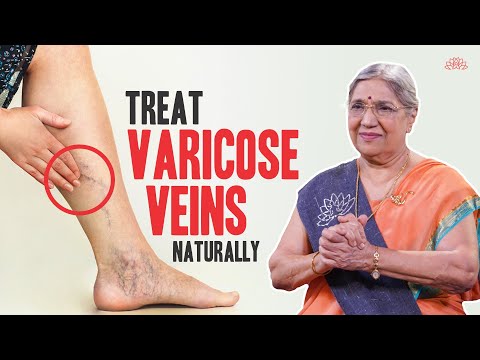
Have you ever noticed those bulging, twisted veins on your legs? You’re not alone. Varicose veins affect millions of people around the world, often causing discomfort and even pain. They can be unsightly, too, making many feel self-conscious.
The good news is that there are effective home treatments available to manage them. You know, simple lifestyle changes and remedies that can make a real difference. Whether it’s adjusting your daily routine or using natural ingredients from your pantry, these approaches might just ease your symptoms.
This article will explore some practical and straightforward methods for managing varicose veins at home. We’ll touch on things like compression stockings, exercises that boost circulation, and dietary tweaks that can help. Every little bit counts when it comes to support vein health!
Remember though—this content doesn’t replace medical advice. It’s always best to consult a healthcare professional when making decisions about your health. Understanding what works for you is crucial.
Discover Simple Solutions to Soothe Your Varicose Veins Naturally
Soothe Your Varicose Veins Naturally
Varicose veins are those enlarged, twisted veins that can pop up, especially in your legs. They’re often blue or purple and might look a bit like tangled ropes. You know, they’re usually not harmful but can be uncomfortable or even painful.
If you’re curious about ways to manage them at home, let’s talk about some simple things you could consider.
1. Elevate Your Legs
One of the easiest tricks is to elevate your legs. When you put your feet up, it helps blood flow back to your heart instead of pooling in your legs. You could try lying down with your legs on a pillow for about 15 minutes a few times a day. Sounds easy enough right?
2. Compression Stockings
Compression stockings are special socks designed to squeeze your leg muscles gently. This helps improve circulation and reduce swelling! They come in various styles, so it’s worth exploring which feels most comfortable for you.
3. Stay Active
You might be surprised at how much regular movement can help! Walking or biking boosts circulation and strengthens the muscles around those veins. It doesn’t have to be intense; think of it more as a part of enjoying your day!
4. Dietary Choices Matter
A balanced diet plays an important role too! Foods rich in fiber can aid digestion and prevent constipation which puts pressure on the veins. Fruits, veggies, and whole grains—these are good options to focus on.
- Berries: Good for overall vein health due to their antioxidants.
- Citrus fruits: High in vitamin C, which supports healthy blood vessels.
- Nuts and seeds: Contain healthy fats that are beneficial for circulation.
5. Herbal Remedies
You may have heard people rave about certain herbs like horse chestnut or grape seed extract for varicose veins. Some believe they help fight inflammation and improve circulation— but always do some research first! It’s good to know what trial studies say before hopping on any herbal bandwagon!
Caution with Heat
If you’re someone who enjoys hot baths or saunas, here’s a tip: excess heat can worsen varicose veins by dilating blood vessels leading to increased swelling. Instead opt for lukewarm water when bathing!
Your Body Knows Best
The key is listening to what works best for you as everyone’s body reacts differently! Incorporating these simple methods slowly into your routine may help alleviate discomfort over time.
If symptoms persist or worsen though—definitely reach out to someone in the health field for advice tailored specifically for you!
Discover the Refreshing Beverages That May Help Alleviate Symptoms
Understanding Varicose Veins
Varicose veins are swollen, twisted veins that usually appear on the legs. They happen when veins become enlarged due to increased pressure. This can be caused by factors like pregnancy, obesity, or standing for long periods.
Sometimes they might not cause any discomfort, but other times people experience pain, heaviness in the legs, or even swelling. So what can you do at home to feel a bit better? It turns out some refreshing beverages might help.
Staying Hydrated
First and foremost, hydration is key. Drinking enough water is crucial for maintaining good blood flow and overall health. You know how plants need water to thrive? Your body works kinda the same way!
Adequate hydration helps your blood stay less viscous (or thick). This means it’s easier for it to flow through your veins. Aim for about 8-10 glasses of water a day—though you might need more if you’re active.
Citrus Water
Citrus fruits like lemons and oranges pack a punch with vitamin C, which supports healthy blood vessels. You could squeeze fresh lemon into water for a zesty drink! It’s both hydrating and nutritious.
The antioxidants found in citrus help combat inflammation and promote circulation—kind of like giving your legs a refreshing boost!
Herbal Teas
Herbal teas are often soothing and come with various benefits. For instance, horse chestnut tea is sometimes mentioned as helpful due to its potential effects on vein health.
- Look for options that contain ingredients like ginger or green tea; both may aid circulation.
- Sipping on peppermint tea can also give a cooling effect that feels refreshing after a long day on your feet.
Pineapple Juice
Pineapple juice has bromelain—a natural enzyme believed to reduce inflammation. While it won’t magically make varicose veins disappear, sipping this juice might help ease some discomfort over time.
Avoid Sugary Drinks
It’s worth mentioning that sugary beverages can lead to weight gain which increases pressure on your veins. Soda or sweetened juices could aggravate symptoms rather than help them out.
A Word of Caution
If you’re experiencing significant pain or have concerns about your varicose veins, it’s always wise to chat with someone who knows the ins-and-outs of health issues—like a healthcare professional.
The Bottom Line
- An array of drinks such as water, citrus-infused beverages, herbal teas, and pineapple juice may offer some comfort.
- The focus should be on staying hydrated while being mindful of what else goes into your body.
- No beverage is gonna be a miracle cure; they’re just part of an overall strategy that includes healthy habits!
Discover the Top Fruits to Help Manage Varicose Veins Effectively
Understanding Varicose Veins
Hey, so varicose veins are those enlarged veins that often appear on the legs. They can be more than just a cosmetic issue; they might cause discomfort too. You know, things like swelling or aching in the legs after standing for a long time.
What happens is that the valves in your veins become weak. This causes blood to pool instead of flowing smoothly back to the heart. It’s like when you have a garden hose with kinks; the water doesn’t flow properly.
The Role of Diet
Your diet can play a big role in managing varicose veins. Certain fruits may help support vein health and improve circulation overall. This is useful if you’re looking for natural ways to manage symptoms.
1. Berries
Berries, like blueberries and strawberries, are packed with antioxidants, which are good for your body. Antioxidants help reduce inflammation and improve blood flow. Picture them as little defenders fighting off the bad stuff in your bloodstream.
2. Citrus Fruits
Citrus fruits such as oranges, lemons, and grapefruits contain vitamin C, which helps strengthen blood vessels. Think of vitamin C as a building block—helping to make those walls stronger so they don’t bulge out as easily.
3. Apples
An apple a day keeps many issues away! Apples are rich in fiber and help maintain healthy digestion—all good news for circulation too.
The pectin found in apples aids detoxification—removing waste from your body can actually help with vein issues indirectly.
4. Kiwi
This fuzzy fruit is super high in vitamin C and potassium. Potassium helps regulate fluid balance, so having enough of it could reduce swelling in your legs—a plus if you’re dealing with varicose veins.
5. Grapes
Aren’t grapes great? They contain flavonoids that promote vein health by supporting blood flow and reducing the likelihood of clotting—think of them as friendly helpers keeping everything moving smoothly.
Incorporating Fruits into Your Diet
You might be wondering how to add these fruits into your diet? Simple! You can mix berries into yogurt or oatmeal for breakfast or have an orange as an afternoon snack.
- Add sliced kiwi to smoothies for a refreshing twist.
- Create fruit salads bursting with color using apples and citrus fruits alongside grapes!
- Bake apple slices with cinnamon—it’s delicious!
Other Healthy Practices
Eating these fruits might be helpful, but remember other lifestyle changes matter too! Regular exercise improves circulation quite effectively; even walking is beneficial.
- Avoid standing or sitting still for long periods—movement is key!
Your Takeaway
The thing is, while adding certain fruits may support better vein health, it’s just one piece of the puzzle in managing varicose veins effectively—a balanced approach matters most!
Effective Home Treatments for Managing Varicose Veins
Varicose veins are a common issue, especially for those who spend long hours standing or sitting. They occur when veins become enlarged and twisted, often causing discomfort and swelling. The treatments available may seem overwhelming, but there are several effective home remedies worth considering.
One fundamental approach to managing varicose veins is to focus on lifestyle changes. Regular exercise can significantly improve blood circulation and strengthen the muscles in your legs. Activities like walking, swimming, or cycling help keep those veins healthy.
Compression stockings also play a vital role. These specially designed socks apply pressure to the legs, promoting better blood flow. You might think of them like a gentle hug for your legs—they’re a simple yet powerful way to reduce swelling and discomfort.
Elevating your legs is another easy method anyone can try at home. By raising your legs above heart level for short periods throughout the day, you’re encouraging blood to flow back towards the heart instead of pooling in the veins.
You can also explore natural remedies such as horse chestnut extract or witch hazel—both known for their anti-inflammatory properties. They may help soothe aching legs and possibly decrease the appearance of varicose veins over time.
Additionally, maintaining a healthy weight is crucial. Extra weight puts pressure on your veins and aggravates the situation. A balanced diet rich in fruits, vegetables, and whole grains can support overall vascular health.
The thing is, while these treatments can offer relief and improve symptoms, they don’t replace professional medical advice or treatment options when needed. If you notice any concerning changes or persistent pain in your legs, it’s wise to consult with a healthcare provider.
In summary, managing varicose veins at home revolves around lifestyle changes that promote good circulation along with some natural remedies that might help soothe symptoms. With consistent efforts and proper care, many people find they can improve their comfort significantly.