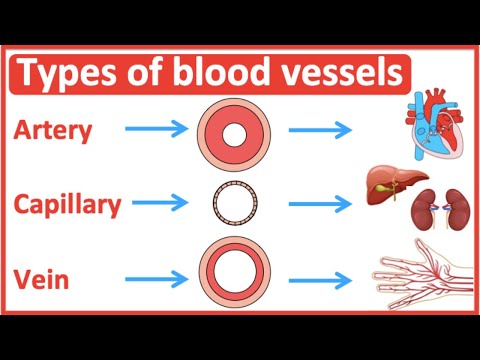
Understanding the circulatory system can feel like diving into a fascinating world full of intricacies. At the heart of this system are three main players: arteries, veins, and capillaries. Each type of blood vessel has a unique role, working together to ensure that oxygen and nutrients reach every corner of our bodies.
Imagine arteries as highways: they carry oxygen-rich blood away from the heart to nourish your organs. In contrast, veins serve as return routes, bringing deoxygenated blood back to the heart for rejuvenation. Then there are capillaries, tiny yet mighty connections where the real exchange happens—oxygen and nutrients are delivered to cells while waste is collected for removal.
Understanding these differences is crucial not just for general knowledge but also for making informed health decisions. However, it’s important to approach this information carefully. Misinformation can lead to confusion or misunderstanding about your health.
Always seek knowledge from multiple reliable sources and consult with various healthcare professionals when necessary. It’s vital not only to educate yourself but also to appreciate the complexity of our bodies in an informed and responsible way. Your health journey benefits from curiosity balanced with critical thinking!
The information provided in this article is intended solely for general informational and educational purposes. It does not constitute medical advice, diagnosis or professional treatment, and should not be considered a substitute for consultation with a qualified doctor or other licensed healthcare professional. Any health-related decisions should be made in consultation with accredited medical professionals.
While efforts have been made to ensure the information is accurate and up to date, no guarantees are given—either express or implied—regarding its accuracy, completeness, currency or suitability. Use of this information is at your own discretion.
It is strongly recommended to consult official sources such as the NHS (National Health Service) or other recognised medical institutions before acting on any information contained on this website or article. Under no circumstances should professional medical advice be ignored or delayed due to content read here.
This content is of a general and informational nature only. It is not intended to replace individualised guidance from a healthcare professional or to establish any doctor-patient relationship. The publication of this information does not imply any professional responsibility, guarantee or obligation on the part of the author or this site.
Unveiling the Unique Roles of Your Blood Vessels in Circulation
Your blood vessels play a crucial role in keeping your body functioning well. They are the highways for your blood, helping it travel to every corner of your body. Let’s break down the unique roles of arteries, veins, and capillaries.
Arteries are like delivery trucks. They carry oxygen-rich blood away from your heart to the rest of your body. The walls of arteries are thick and elastic, allowing them to handle high pressure as blood is pumped out forcefully.
Veins, on the other hand, are more like returning buses. They bring deoxygenated blood back to the heart after it has delivered its oxygen and nutrients. Since this blood is under lower pressure, veins have thinner walls and often have valves that help prevent backflow.
Now we get to capillaries, which are tiny, thin-walled vessels connecting arteries and veins. Think of them as small bridges in a city where goods are exchanged. This is where the actual exchange happens: oxygen and nutrients pass from blood into tissues, while waste products move from tissues back into blood.
Here’s a quick overview:
Together, these vessels form a network essential for survival.
It’s interesting to note that lifestyle factors can affect the health of these vessels over time. For example, high cholesterol can lead to artery blockages while prolonged sitting can weaken veins.
Being aware of how each type functions helps you understand how vital they are for overall health. Remember that taking care of your cardiovascular system benefits your entire body!
Understanding the Unique Roles of Blood in Your Body
Understanding blood’s unique roles in your body is fascinating and essential. Blood isn’t just a red liquid; it plays many critical roles in keeping us alive and healthy.
First, let’s think of blood as your body’s delivery service. It transports essential items, like oxygen and nutrients, to all the cells that need them. Imagine sending packages through a network of roads.
Blood flows through three main types of vessels: arteries, veins, and capillaries. Each has its own job in this delivery system.
Arteries carry oxygen-rich blood away from the heart. They have thick walls to handle high pressure from the pumping heart. Think of arteries like highways—wide and fast-moving.
Veins bring oxygen-poor blood back to the heart. They have thinner walls than arteries and often contain valves to prevent backflow. Picture veins as local roads with less traffic but still a vital route home.
Capillaries are where the real magic happens—they connect arteries and veins. These tiny vessels allow for the exchange of gases, nutrients, and waste between blood and tissues. Imagine them as small alleyways where deliveries are made right at the doorstep.
Now let’s consider plasma, the liquid part of blood. Plasma makes up about 55% of total blood volume. It carries water, salts, enzymes, hormones, and waste products throughout your body.
Don’t forget about red blood cells. These are responsible for transporting oxygen using hemoglobin—like loading trucks with cargo to deliver it across town.
Then there are white blood cells, which play defense against infections. Think of them as your body’s security team that fights off intruders like bacteria or viruses.
Lastly, platelets help with clotting when you get hurt—they’re like emergency workers rushing to stop a leak when there’s a problem.
In summary:
Understanding these elements will help you appreciate how interconnected our bodies really are! Blood is more than just fluid; it’s vital for everything our bodies do daily! Remember that if you have health concerns or questions about your circulatory system or any other health issue, seeking personalized advice from a knowledgeable source is always best.
Understanding the Lifelines: How Arteries, Veins, and Capillaries Keep Our Bodies Running
Understanding our circulatory system is essential for appreciating how our bodies function. At its core, we have three main types of blood vessels: arteries, veins, and capillaries. Each plays a unique role in keeping us alive.
Arteries are like highways for oxygen-rich blood. They carry blood away from the heart to various parts of the body. Think of them as strong pipes that can handle high pressure because they need to deliver blood quickly.
Veins, on the other hand, are more like side streets. They return oxygen-poor blood back to the heart. The pressure in veins is much lower than in arteries. To help move blood along, veins have valves that prevent backflow, acting like one-way doors.
Now let’s talk about capillaries. These are tiny vessels where the real exchange happens. Imagine them as tiny bridges between arteries and veins. Capillaries allow nutrients and oxygen to pass directly into our cells while taking away waste products like carbon dioxide.
One common myth is that all veins carry only deoxygenated blood. While it’s mostly true, there are exceptions! For example, pulmonary veins carry oxygenated blood from the lungs to the heart.
Another point worth noting is that not all arteries are thick and muscular; some can be quite small too! And while we often think of veins as being blue because of diagrams or images, they actually look reddish due to how light interacts with skin when we see them through tissue.
Maintaining a healthy circulatory system involves regular exercise, a balanced diet rich in fruits and vegetables, and staying hydrated. All this helps support not just your heart but also your entire vascular network.
In summary, understanding how arteries, veins, and capillaries work together provides insight into how crucial they are for our overall health. They form a complex system that ensures every cell gets what it needs while removing what it doesn’t. This harmony keeps our bodies running smoothly every day!
Understanding the differences between arteries, veins, and capillaries is essential for comprehending how our circulatory system works. Each type of blood vessel plays a unique yet interconnected role in maintaining our body’s health.
Arteries are responsible for transporting oxygen-rich blood away from the heart. They have thick, elastic walls that withstand high pressure as they carry blood to various parts of the body. Imagine them as sturdy garden hoses; they need to handle the force of water flowing through them without bursting.
Veins, on the other hand, return oxygen-poor blood back to the heart. Their walls are thinner and less elastic compared to arteries because they operate under lower pressure. Veins have valves that prevent blood from flowing backward, similar to one-way streets that ensure traffic flows in a single direction.
Capillaries are the smallest blood vessels and serve as bridges between arteries and veins. They are so tiny that red blood cells must pass through them in single file. Their thin walls allow nutrients and waste products to easily exchange between blood and tissues, akin to a sponge soaking up water.
By recognizing these differences, we can develop a deeper appreciation for how our bodies function daily. It also reminds us of the importance of cardiovascular health—maintaining healthy arteries and veins is crucial for overall well-being.