Cold sores and herpes – these terms often cause confusion. Many people use them interchangeably, but they refer to different aspects of a common viral infection. Understanding the key differences can help you make informed health choices and manage your well-being better.
Cold sores are blisters that usually appear around the lips and mouth. They are caused by the herpes simplex virus type 1 (HSV-1). Herpes, on the other hand, refers to infections caused by either HSV-1 or herpes simplex virus type 2 (HSV-2), which primarily affects the genital area.
It’s intriguing how a small virus can lead to big questions about health and relationships. Yet, misinformation is rampant, leading to unnecessary fear or stigma. That’s why it’s crucial to seek out accurate information from trusted medical sources.
Warning: It’s essential to verify what you hear about cold sores and herpes through reputable channels. Consult healthcare professionals or credible resources for accurate insights. Being informed helps reduce stigma and empowers you to make educated decisions about your health. Remember, knowledge is key in nurturing your well-being!
The information provided in this article is intended solely for general informational and educational purposes. It does not constitute medical advice, diagnosis or professional treatment, and should not be considered a substitute for consultation with a qualified doctor or other licensed healthcare professional. Any health-related decisions should be made in consultation with accredited medical professionals.
While efforts have been made to ensure the information is accurate and up to date, no guarantees are given—either express or implied—regarding its accuracy, completeness, currency or suitability. Use of this information is at your own discretion.
It is strongly recommended to consult official sources such as the NHS (National Health Service) or other recognised medical institutions before acting on any information contained on this website or article. Under no circumstances should professional medical advice be ignored or delayed due to content read here.
This content is of a general and informational nature only. It is not intended to replace individualised guidance from a healthcare professional or to establish any doctor-patient relationship. The publication of this information does not imply any professional responsibility, guarantee or obligation on the part of the author or this site.
Understanding the Signs: Spotting Herpes vs. Canker Sores
Understanding the differences between herpes and canker sores can help you take better care of your health. Both conditions cause oral sores, but they are very different.
Herpes Simplex Virus (HSV) causes cold sores. These are fluid-filled blisters that usually form on or around the lips. They are contagious and can spread easily through close contact.
Cold sores often show up after a trigger, like stress or illness. You might feel a tingling sensation before the sore appears. They generally heal within a couple of weeks.
On the other hand, canker sores are not caused by the herpes virus and are not contagious. These ulcers occur inside the mouth, often on soft tissues such as the inner cheeks or tongue.
Canker sores can be painful and may make eating or speaking uncomfortable. They usually heal on their own within one to two weeks without scarring.
To help you spot differences, here’s a quick comparison:
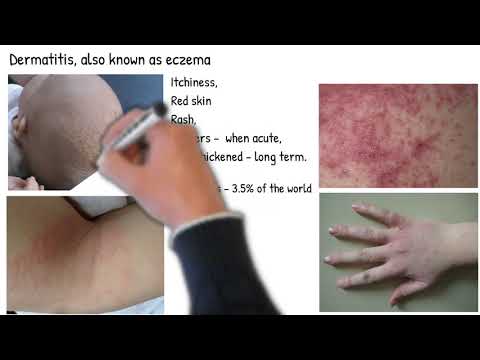
It’s also important to note that some people confuse cold sores with other skin issues like pimples or eczema patches. Proper identification is key.
If you’re unsure about your symptoms, considering consulting someone who knows about health to get specific guidance. Being informed helps you understand your body better and make good choices for your well-being!
Understanding the Differences Between Common Sores and Herpes Outbreaks
When it comes to skin issues, understanding the differences between common sores and herpes outbreaks is crucial. While some may appear similar, their causes and implications are quite distinct.
Common sores often refer to minor skin irritations or lesions. They can result from various factors like cuts, insect bites, or even allergies. These types of sores usually heal quickly and don’t carry the same stigma that herpes does.
On the other hand, herpes outbreaks specifically relate to a viral infection caused by the herpes simplex virus (HSV). There are two types: HSV-1 and HSV-2. HSV-1 often causes cold sores around the mouth, while HSV-2 is more commonly associated with genital herpes.
Key Differences:
A common myth is that only people with multiple partners get herpes. In reality, anyone can contract it through close contact, such as kissing or sharing utensils. It’s important not to shy away from discussing these topics openly.
Another misconception is that once you get cold sores as a child, they will never return. Unfortunately, stress or illness can trigger recurrences later in life.
Treatment options vary greatly. Common sore treatments may involve over-the-counter remedies like antiseptics or creams. For herpes outbreaks, antiviral medications can help reduce symptoms and frequency of recurrences.
Remember that if you’re ever unsure about any skin condition or sore you have, consulting a healthcare provider for personalized advice is always best. Understanding these differences helps foster awareness and reduces stigma associated with viral infections like herpes.
Unraveling the Mystery: Spotting Key Signs of Herpes vs. Ulcers
Understanding the differences between herpes and ulcers can help you manage your health better. Both conditions can cause sores, but they have different triggers and characteristics.
Herpes Simplex Virus (HSV) is an infection that usually appears as cold sores or genital lesions. Cold sores often show up on the lips or around the mouth. They’re caused by the HSV-1 strain, while genital herpes is typically caused by HSV-2.
- The first sign of herpes is often a tingling or burning sensation before sores appear.
- The sores start as small blisters filled with fluid.
- After a few days, these blisters break open and form painful ulcers that crust over.
On the other hand, ulcers are open sores that can be caused by various factors. They might occur in the mouth or on other parts of the body, including the stomach lining.
- Oral ulcers may stem from injury, stress, or specific conditions like aphthous stomatitis.
- They usually appear as round, shallow sores with a white or yellowish center and red halo.
- The ulceration is sometimes painful but doesn’t blister like herpes does.
Both conditions can be annoying and uncomfortable, but they have important differences. For instance, herpes is a virus that remains in your body for life, while many ulcers may heal without long-term effects.
A common myth is that all oral sores are herpes. This isn’t true! Not all mouth sores are caused by HSV. Other issues can create similar symptoms but require different treatments.
Finding out whether you have herpes or ulcers is crucial for managing symptoms effectively. If you’re unsure about your condition, seeking medical advice is always a good idea.
In conclusion, knowing the key signs of herpes versus ulcers helps you make informed health decisions. Keep an eye on any symptoms you experience and consult with someone knowledgeable if needed!
Understanding the distinctions between cold sores and herpes is essential for promoting accurate health literacy. Both terms are often used interchangeably, leading to confusion and stigma.
Cold sores, commonly caused by the herpes simplex virus type 1 (HSV-1), manifest as painful blisters on or around the lips. They are highly contagious and usually appear during times of stress or illness. While uncomfortable, cold sores are typically a minor inconvenience and tend to resolve within a week to ten days.
On the other hand, herpes can refer to both HSV-1 and herpes simplex virus type 2 (HSV-2). The latter primarily causes genital herpes, resulting in blisters in the genital area. Symptoms may vary from mild irritation to significant discomfort during outbreaks.
Both forms of the virus reside in nerve cells after initial infection; they can reactivate, causing recurrence at different times for each individual. Importantly, while there is no cure for either virus, antiviral treatments can effectively manage symptoms and reduce transmission risks.
In any conversation around these topics, it’s vital to approach them with empathy and understanding. Educating people about these differences helps dismantle stigma while empowering individuals to make informed health decisions regarding prevention and treatment options.