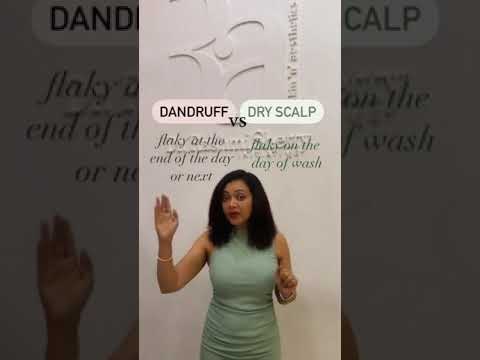
Dandruff and dry scalp are two common issues that many people face, yet they are often misunderstood. Imagine your scalp as a garden. Sometimes, it can be overrun with pests (dandruff), while other times it just needs a bit more water (dry scalp). Understanding the differences between these conditions can help you choose the right care for your hair and skin.
Dandruff is characterized by flakes of skin on your scalp that can be oily and may come with itching. It’s often caused by factors like yeast overgrowth or sensitivity to hair products. On the other hand, dry scalp usually presents itself as fine white flakes, combined with itchiness, but without the oily appearance. This condition often stems from environmental factors like winter air or excessive washing.
It’s vital to recognize these nuances because they require different treatments. While dandruff may need anti-fungal solutions, dry scalp could benefit from more moisture and gentle care.
Warning: Self-diagnosing these conditions can lead to ineffective treatments or worsening symptoms. It’s important to consult various specialists—like dermatologists or trichologists—and gather information from reputable sources. This will empower you to make informed decisions about your health and well-being. Stay curious and proactive in caring for your scalp!
The information provided in this article is intended solely for general informational and educational purposes. It does not constitute medical advice, diagnosis or professional treatment, and should not be considered a substitute for consultation with a qualified doctor or other licensed healthcare professional. Any health-related decisions should be made in consultation with accredited medical professionals.
While efforts have been made to ensure the information is accurate and up to date, no guarantees are given—either express or implied—regarding its accuracy, completeness, currency or suitability. Use of this information is at your own discretion.
It is strongly recommended to consult official sources such as the NHS (National Health Service) or other recognised medical institutions before acting on any information contained on this website or article. Under no circumstances should professional medical advice be ignored or delayed due to content read here.
This content is of a general and informational nature only. It is not intended to replace individualised guidance from a healthcare professional or to establish any doctor-patient relationship. The publication of this information does not imply any professional responsibility, guarantee or obligation on the part of the author or this site.
Unraveling the Mystery of Flakes and Freshness
Dandruff and dry scalp are two common issues that many people face, but they are not the same. Understanding the differences can help you find the right solution.
Dandruff is often related to an overgrowth of yeast on the scalp. This can lead to skin cells multiplying faster than normal. As these cells die and shed, they mix with oil on the scalp, creating visible flakes.
On the other hand, a dry scalp is a condition where your skin lacks moisture. This can be caused by various factors like cold weather, dehydration, or using harsh hair products. It may result in small white flakes but is usually not associated with itching as much as dandruff.
Here are some key differences:
Recognizing these differences is important for treatment options. For dandruff, anti-fungal shampoos might help reduce yeast levels. For dry scalp, moisturizing shampoos or conditioners are often recommended to add hydration.
Don’t ignore how your scalp feels. If you notice persistent problems like heavy flaking or irritation that doesn’t improve with over-the-counter products, it’s wise to seek advice from a healthcare provider.
Remember, both conditions can be managed effectively with the right care and product choices. Taking good care of your scalp will lead to healthier hair overall!
Unlocking the Secrets to Scalp Health: Signs You Might Have Dry Scalp or Dandruff
Scalp health is often overlooked, but it plays a big role in our overall well-being. Understanding the difference between dry scalp and dandruff can help you take better care of your skin and hair.
Dry scalp occurs when the skin on your head lacks moisture. This can happen due to various reasons, such as cold weather, harsh shampoos, or not drinking enough water.
Dandruff, on the other hand, is caused by an overgrowth of yeast on the scalp. This can lead to flaking and itching. It’s important to recognize these differences for proper care.
Here are some signs that you might have a dry scalp:
In contrast, if you suspect dandruff, look for these symptoms:
Both conditions can be uncomfortable but are treatable with simple lifestyle changes.
To manage a dry scalp, consider using a gentle shampoo. Avoid hot water during hair washing as it can strip away natural oils. Adding moisturizing products like oils or conditioners may also help restore moisture.
For dandruff, anti-fungal shampoos available over-the-counter might be effective. Look for ingredients like zinc pyrithione or ketoconazole. These ingredients work by reducing the growth of yeast on the scalp.
It’s essential to approach treatment patiently. Results may take time; everyone’s skin reacts differently to various products.
If you notice persistent issues despite home remedies, consulting with someone who understands skin conditions would be wise.
In conclusion, understanding your scalp’s needs empowers you to make informed choices about your hair care routine! Educate yourself further and explore what works for you personally—knowledge is key!
Understanding the Key Signs and Symptoms to Guide Your Care Choices
It’s common to experience skin issues. Dandruff and dry scalp are two conditions that can cause confusion. They may seem similar, but they have different causes and need different approaches.
Dandruff is often caused by an overgrowth of yeast on the scalp. This can lead to shiny, flaky patches that may be more prominent in oily areas. The flakes are usually large and can fall onto your shoulders.
On the other hand, a dry scalp typically results from lack of moisture. This can be due to cold weather, excessive washing, or using harsh hair products. Flakes from a dry scalp tend to be smaller and drier.
Here are some key signs for each condition:
Identifying these signs correctly is essential for choosing the right treatment. If you suspect dandruff, anti-fungal shampoos may help reduce yeast growth. In contrast, moisturizing shampoos or natural oils might work better for dry scalp.
Avoid jumping to conclusions by self-diagnosing. Sometimes conditions may overlap or develop together. If your symptoms don’t improve with home care or worsen, it’s wise to seek advice.
Both dandruff and dry scalp can impact self-esteem but remember they’re common issues that many people face. Understanding what’s happening allows you to make informed choices about how best to care for your scalp health.
Stay observant about changes in your skin health, and don’t hesitate to reach out if you have concerns. Knowledge puts you in control of your own well-being!
Dandruff and dry scalp are two common issues that often get conflated, yet they have distinct differences. Understanding these can significantly impact how we treat and manage them.
Dandruff is frequently caused by a yeast-like fungus called Malassezia. This condition leads to flaky skin on the scalp, often accompanied by itchiness or irritation. In some cases, it may even be related to oily skin conditions like seborrheic dermatitis.
In contrast, a dry scalp is typically the result of environmental factors such as cold weather or dehydration. When the scalp lacks moisture, it can flake off just like dandruff does, but it doesn’t involve the same fungal activity and usually lacks associated oiliness.
Recognizing these differences is vital for effective treatment. Dandruff might require antifungal shampoos or treatments specifically aimed at controlling yeast growth. In contrast, managing dry scalp often involves hydrating products—think of oils or moisturizing shampoos—to restore moisture balance.
By understanding these nuances, individuals can make informed choices about their hair care routines and seek appropriate solutions tailored to their specific condition.