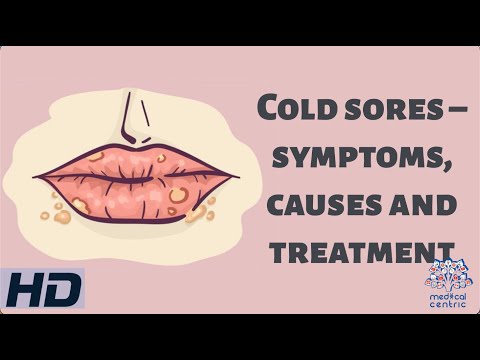
Cold sores can feel like unwelcome guests, showing up at the most inconvenient times. These small, blister-like lesions often appear on or around the lips and are caused by the herpes simplex virus, specifically HSV-1. While they are common and usually harmless, understanding what triggers them can help you manage outbreaks more effectively.
Just like a winter chill can catch you off guard, cold sores often emerge due to stress, illness, sunlight, or even hormonal changes. Once contracted, the virus lives in your body forever, lying dormant until something triggers its reactivation. Knowing your triggers is key to reducing frequency and severity.
Finding relief involves various strategies—from over-the-counter creams to home remedies and lifestyle changes. However, everyone’s experience with cold sores is different; what works for one person may not work for another.
Important Warning: Always seek information from multiple sources when dealing with health issues like cold sores. Relying on a single source can sometimes lead to misconceptions or inadequate care. Consult medical professionals or trusted resources to fully understand treatment options and management techniques that are right for you.
The information provided in this article is intended solely for general informational and educational purposes. It does not constitute medical advice, diagnosis or professional treatment, and should not be considered a substitute for consultation with a qualified doctor or other licensed healthcare professional. Any health-related decisions should be made in consultation with accredited medical professionals.
While efforts have been made to ensure the information is accurate and up to date, no guarantees are given—either express or implied—regarding its accuracy, completeness, currency or suitability. Use of this information is at your own discretion.
It is strongly recommended to consult official sources such as the NHS (National Health Service) or other recognised medical institutions before acting on any information contained on this website or article. Under no circumstances should professional medical advice be ignored or delayed due to content read here.
This content is of a general and informational nature only. It is not intended to replace individualised guidance from a healthcare professional or to establish any doctor-patient relationship. The publication of this information does not imply any professional responsibility, guarantee or obligation on the part of the author or this site.
Quick and Effective Solutions to Banish Cold Sores for Good
Cold sores can be frustrating and uncomfortable. They are caused by the herpes simplex virus (typically type 1). Once you get infected, the virus stays in your body and can cause outbreaks at any time.
Understanding what triggers these outbreaks is important. Common triggers include stress, fatigue, sunlight exposure, and illness. Keeping track of your triggers can help you manage your condition better.
When it comes to treatment, there are several options to consider for relief:
Prevention is also key in managing cold sores. Good hygiene practices are essential. Always wash your hands after touching a sore.
Try not to share personal items like lip balms or towels during an outbreak. The virus is contagious, especially when blisters are present.
Staying healthy overall plays a role too. Regular exercise, good sleep habits, and managing stress can strengthen your immune system.
It’s important to remember that while there isn’t a one-size-fits-all solution for cold sores, many strategies can help minimize their impact. Each person’s experience may vary.
Stay informed about effective ways to handle cold sores and discuss with someone who understands your personal health needs!
Sip Your Way to Soothing: Discover the Best Beverages for Cold Sore Relief
Cold sores can be a real nuisance. They are caused by the herpes simplex virus and often show up as blisters around the lips. While they can be uncomfortable, some beverages may help soothe the symptoms or provide comfort during an outbreak.
When you have a cold sore, staying hydrated is essential. Water is your best friend. It keeps your body functioning well and helps maintain healthy skin.
Here are some beverages that can assist in soothing cold sore discomfort:
While these drinks may offer comfort, it’s important to avoid certain beverages that could irritate the cold sore further:
Remember, everyone’s body reacts differently. What soothes one person might irritate another. Pay attention to how different beverages make you feel.
In addition to sipping soothing drinks, consider other ways to manage cold sores like using topical treatments or discussing options with someone knowledgeable about health if outbreaks persist.
Overall, staying moisturized and nourished through appropriate beverages will help you feel more comfortable during those annoying times when cold sores strike.
Uncovering the Surprising Triggers Behind Your Cold Sores
Cold sores can be a real nuisance. These painful blisters often pop up unexpectedly around the lips. Understanding what triggers them can help you manage and possibly even prevent outbreaks.
The main cause of cold sores is the herpes simplex virus, usually type 1 (HSV-1). This virus lies dormant in your body after the initial infection. It can reactivate due to various triggers.
Stress is a significant trigger for many people. When you’re stressed, your body’s immune response weakens. This makes it easier for the virus to resurface.
Another common trigger is illness, particularly colds or fevers. When you’re sick, your immune system is busy fighting off other infections, which might let the herpes virus take advantage.
Sun exposure can also lead to an outbreak. Prolonged sunbathing or even a day out without lip protection can irritate the skin and provoke cold sores.
Hormonal changes are another factor. Many women notice outbreaks during their menstrual cycle or pregnancy due to shifting hormone levels.
Additionally, fatigue can lower your immunity. If you don’t get enough sleep, your body may not be able to keep the herpes virus in check.
Understanding these triggers allows you to identify patterns in your own outbreaks. You might notice that when you’re stressed or tired, you’re more likely to get a cold sore.
There are some preventive measures you can take as well. Keeping your immune system strong through good nutrition and exercise helps build defenses against future flare-ups.
You might also consider using sunscreen on your lips and managing stress levels with relaxation techniques like yoga or meditation.
While there’s no cure for cold sores, knowing what provokes them puts some control back in your hands. That way, you may reduce their frequency and severity over time with simple lifestyle adjustments.
Cold sores can be an uncomfortable and often embarrassing condition. They are primarily caused by the herpes simplex virus (HSV-1), a common virus that many people carry without showing symptoms. Understanding what triggers cold sores is crucial for managing them effectively.
Stress, illness, and sun exposure are key factors that can trigger an outbreak. When you’re run down or under stress, your immune system may weaken, allowing the virus to reactivate. Imagine your immune system as a security guard; if it’s tired or distracted, intruders—like the herpes virus—can slip past.
In terms of relief, over-the-counter creams and antiviral medications can help shorten outbreaks and ease discomfort. It’s essential to apply these treatments at the first sign of an outbreak for maximum effectiveness. Think of it like catching a small leak in a roof before it turns into a flood.
Preventing cold sores involves practicing good hygiene—washing hands frequently and avoiding close contact with others during an active outbreak. Remember that sharing utensils or lip balm can spread the virus easily.
In summary, while cold sores are common and usually harmless, understanding their triggers and finding effective treatment options empowers individuals to manage their health proactively. Always consult healthcare professionals for personalized advice when needed.