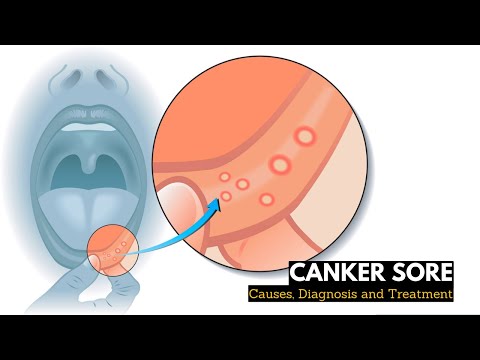
Canker sores can be a real nuisance, popping up unexpectedly and making eating, drinking, and talking uncomfortable. These small, painful lesions usually form inside the mouth and can cause considerable irritation. Understanding what causes them, recognizing their symptoms, and discovering effective treatments can help you manage these pesky sores.
Most people will encounter a canker sore at some point in their lives. They are typically round or oval-shaped with a whitish or gray center surrounded by red inflamed tissue. While they’re not contagious, they can stem from various triggers like stress, certain foods, or even hormonal changes.
It’s essential to gather information from multiple sources when dealing with health issues such as canker sores. What works for one person might not work for another. Always consult with healthcare professionals and explore credible resources to get a well-rounded perspective on your symptoms and treatments.
Stay curious about your health! The more you learn about canker sores—what causes them and how best to treat them—the better prepared you will be to tackle any discomfort that arises. Remember that informed decisions lead to healthier outcomes!
The information provided in this article is intended solely for general informational and educational purposes. It does not constitute medical advice, diagnosis or professional treatment, and should not be considered a substitute for consultation with a qualified doctor or other licensed healthcare professional. Any health-related decisions should be made in consultation with accredited medical professionals.
While efforts have been made to ensure the information is accurate and up to date, no guarantees are given—either express or implied—regarding its accuracy, completeness, currency or suitability. Use of this information is at your own discretion.
It is strongly recommended to consult official sources such as the NHS (National Health Service) or other recognised medical institutions before acting on any information contained on this website or article. Under no circumstances should professional medical advice be ignored or delayed due to content read here.
This content is of a general and informational nature only. It is not intended to replace individualised guidance from a healthcare professional or to establish any doctor-patient relationship. The publication of this information does not imply any professional responsibility, guarantee or obligation on the part of the author or this site.
Discover the Best Remedies to Soothe Your Pain and Speed Up Healing
Canker sores can be quite uncomfortable. They often appear as small, painful ulcers inside your mouth. While the exact cause of these sores isn’t completely understood, several factors may contribute to their development.
Stress is a common trigger. Sometimes, hormonal changes or even certain foods—like citrus fruits—can lead to an outbreak. Genetics may also play a role in how often they occur.
Symptoms usually include pain and a burning sensation in the affected area. You might notice a white or yellowish center with a red halo around it. Eating and speaking can become challenging when you have one.
Though canker sores usually heal on their own within a week or two, there are ways to soothe the discomfort and support healing.
While these remedies might help, it’s important to remember that not all treatments work for everyone. Keeping track of what triggers your canker sores is useful too.
Staying hydrated by drinking plenty of water helps as well. Avoiding spicy or acidic foods while you’re healing may make eating less painful.
If you frequently experience severe canker sores or have other symptoms, it could be worth discussing with someone who works in health care for more tailored advice.
Listening to your body is key! Rest and self-care are also important parts of recovery from any ailment.
Uncovering the Surprising Triggers Behind Oral Pain
Oral pain can often be a nuisance, and one common source is canker sores. These small, painful ulcers appear inside the mouth. You might wonder what causes them and how to cope with the discomfort.
Canker sores aren’t contagious; that’s a relief! They usually go away on their own in a week or two. But knowing what triggers them can help you avoid future outbreaks.
First, stress is a huge factor. When life gets overwhelming, your body might react with canker sores. It’s like when you get a headache from tension; your mouth reacts similarly to stress.
Next up are certain foods. Acidic items like citrus fruits or spicy dishes can irritate your mouth and cause sores to form. Think of it like putting too much salt on an open wound—it’s uncomfortable!
Oral injuries also play a role. Biting your cheek or brushing too hard might create the perfect environment for a sore to develop. It’s important to be gentle when caring for your mouth.
Hormonal changes can contribute too, especially in women during their menstrual cycle. It’s as if changes in the body signal for an increase in oral sensitivity.
Another surprising trigger is nutritional deficiencies, particularly lack of vitamin B12, iron, and folic acid. Your body needs these nutrients to heal properly and maintain oral health.
Lastly, some people experience recurring canker sores due to specific conditions like autoimmune disorders or gastrointestinal issues such as celiac disease.
Managing these triggers starts with awareness:
If you find yourself frequently suffering from canker sores that impact quality of life, it could be beneficial to discuss this with someone who understands medical concerns.
Remember not all solutions work for everyone, so it’s essential to listen to your body and make informed choices about care options that suit you best!
Uncover the Hidden Links Between Nutritional Gaps and Mouth Ulcers
Mouth ulcers, often known as canker sores, are painful and can make eating a challenge. They usually appear as small, round sores inside the mouth. While they often heal on their own, understanding their causes can help prevent them.
Nutritional gaps may play a significant role in the development of mouth ulcers. When your body lacks essential vitamins or minerals, it can impact your oral health.
One key nutrient linked to mouth ulcers is vitamin B12. This vitamin is crucial for cell production and helps maintain healthy nerves. A deficiency may lead to sore spots in your mouth.
Iron is another important player. It’s necessary for red blood cell production and overall immune function. Low iron levels might increase the likelihood of developing ulcers.
Folate, or vitamin B9, also deserves attention. It’s vital for proper cell division and repair, including the cells in your mouth. Insufficient folate levels could contribute to ulcer formation.
Here are some nutritional gaps that may contribute to mouth ulcers:
Zinc is an essential mineral involved in immune function and healing processes. Low levels might slow recovery from injuries like mouth ulcers.
To support oral health, a balanced diet rich in fruits, vegetables, whole grains, lean proteins, and dairy can be beneficial. Foods like leafy greens and fortified cereals are excellent sources of these nutrients.
Staying hydrated plays a role too! Drinking plenty of water helps keep your mouth moist and promotes healing.
While it’s easy to overlook nutrition’s impact on oral health, it’s worth considering if you’re frequently dealing with sores. Making small dietary changes could lead to improvements over time.
It’s always wise to talk with someone who understands health if you’re experiencing ongoing issues with mouth ulcers or suspect nutritional gaps are at play. Proper evaluation can guide you toward effective strategies that suit your needs.
In summary, being aware of how nutrition affects our bodies—including our mouths—can empower us to make informed choices for better health!
Canker sores, or aphthous ulcers, can be a painful and inconvenient health issue many people experience. Understanding their causes, symptoms, and effective treatments is essential for managing this condition effectively.
Canker sores often arise due to stress, certain food sensitivities, or even hormonal changes. They appear as small, shallow lesions inside the mouth and can vary in size. The primary symptoms include a burning sensation or pain, particularly when eating or speaking.
Effective treatments focus on alleviating discomfort rather than curing the sore itself. Over-the-counter topical ointments can provide relief while promoting healing. Additionally, avoiding irritants like spicy foods may help reduce flare-ups.
It’s important to note that while these sores can be quite bothersome, they are generally not serious and often resolve on their own within a week or two. However, if someone experiences frequent outbreaks or exceptionally painful sores, consulting a healthcare provider is advisable to rule out underlying conditions.
By fostering an understanding of canker sores and exploring available treatment options, individuals can take proactive steps in managing their oral health with confidence and care.