The information provided in this article is intended solely for general informational and educational purposes. It does not constitute medical advice, diagnosis or professional treatment, and should not be considered a substitute for consultation with a qualified doctor or other licensed healthcare professional. Any health-related decisions should be made in consultation with accredited medical professionals.
While efforts have been made to ensure the information is accurate and up to date, no guarantees are given—either express or implied—regarding its accuracy, completeness, currency or suitability. Use of this information is at your own discretion.
It is strongly recommended to consult official sources such as the NHS (National Health Service) or other recognised medical institutions before acting on any information contained on this website or article. Under no circumstances should professional medical advice be ignored or delayed due to content read here.
This content is of a general and informational nature only. It is not intended to replace individualised guidance from a healthcare professional or to establish any doctor-patient relationship. The publication of this information does not imply any professional responsibility, guarantee or obligation on the part of the author or this site.
Ever experienced that annoying feeling like something’s in your eye, but there’s nothing there? You’re not alone. Many people have moments like these, and it’s more common than you might think.
What if I told you that this could be a sign of a condition called conjunctivochalasis? It sounds complicated, I know. But don’t worry; we’re here to break it down.
This article dives into the symptoms and diagnosis of conjunctivochalasis, helping you understand what it is and why it matters. You’ll learn about what causes this condition and how it affects everyday life. Honestly, knowing the signs can help you decide whether to seek medical advice.
It’s important to remember that while this information is informative, it does not replace professional medical guidance. Health decisions should never be based solely on what you read online. Always consult a healthcare provider if you’re concerned about your eye health.
Let’s explore this together so you can take charge of your well-being!
Simple Solutions for Comfort and Relief at Home
Understanding Conjunctivochalasis
Conjunctivochalasis is a condition that happens when part of the eye’s conjunctiva becomes loose or redundant. The conjunctiva is a thin, transparent membrane covering the white part of your eye and inner eyelids. So, think of it as being like a curtain—sometimes it can get wrinkled or sagging. This can lead to discomfort.
Symptoms You Might Notice
Some common symptoms are irritation and dryness in the eyes. You might feel like something’s in your eye, kinda like having dust there, you know? People have also reported their eyes watering more than usual, which seems odd since dry eyes often lead to excess tears. But that’s how it works sometimes.
If you’re squinting or rubbing your eyes often because they feel uncomfortable, it’s likely worth mentioning this to someone who can help you look into it.
How is it Diagnosed?
Diagnosing conjunctivochalasis usually involves an eye exam by an eye care professional. They may look at your eyelids and conjunctiva using a special light; it’s kinda like how a mechanic checks under the hood of a car for issues.
The examiner may ask about symptoms and check for any other problems that might be contributing to your discomfort. It’s pretty straightforward but very important for understanding what’s going on.
Simple Comfort Solutions at Home
If you’re dealing with mild discomfort from this condition, there are some solutions you could try at home. For instance, using artificial tears can hydrate the eyes—this helps if they’re feeling dry or irritated. Think about it as putting lotion on dry skin!
- Warm compresses: Applying a warm cloth over your closed eyelids can soothe irritation and help with any swelling.
- Avoiding irritants: Smoke, dust, or strong smells can worsen irritation; keeping away from them might help a lot.
- Blinking more: It sounds simple but remember to blink regularly! People often forget this when staring at screens.
If symptoms persist despite these efforts (or they get worse), definitely reach out for professional care. It’s always better to be on the safe side!
Caution with Remedies
No matter what home remedies you consider trying, listen to your body first; if something feels off or worsens things for you, stop using it! It’s essential to prioritize comfort while being aware of what could aggravate each situation.
Your comfort matters! Conjunctivochalasis may not be serious but it’s uncomfortable; taking small steps towards relief can really improve those everyday moments when you’re just trying to go about life without distractions.
A Gentle Approach to Alleviating Eye Discomfort and Restoring Clarity
Hey there! If you’ve noticed some discomfort in your eyes, it could be due to a condition called conjunctivochalasis. Now, that sounds complicated, right? But let’s break it down.
What is Conjunctivochalasis?
Conjunctivochalasis is when the conjunctiva, which is the thin layer of tissue covering the white part of your eye, becomes loose or redundant. Picture a curtain that’s slightly too big for the window—it just hangs there. In this case, it can cause irritation and might make your vision a bit blurry.
Symptoms You Might Experience
So what should you look out for? Common symptoms include:
- Red or irritated eyes.
- A feeling of something being in your eye—like grit or sand.
- Blurred vision at times.
- Tearing more than usual.
If you’re recognizing these signs, know you’re not alone. Lots of folks deal with similar issues!
How is it Diagnosed?
The diagnosis often happens during an eye exam. An eye care professional will check for this excess tissue while looking at various things such as how your eyelids function. Sometimes they’ll use a microscope—that might sound scary but really, it’s just a fancy magnifying glass!
A Gentle Approach to Relief
If conjunctivochalasis is bothering you, there are gentle approaches to help ease discomfort. Artificial tears are like moisturizer for your eyes; they can help wash away irritants and keep things smooth. Look for preservative-free options if you need to use them often.
You might also consider warm compresses. Just soak a clean cloth in warm water, wring it out, and place it over closed eyelids for a few minutes. This can soothe irritation and promote natural tear production—pretty simple stuff!
Lifestyle Changes Matter
You know how sometimes small changes can have big impacts? Staying hydrated plays an essential role in keeping your eyes comfortable too. Make sure you’re drinking enough water throughout the day!
If you spend long hours looking at screens—who doesn’t these days?—try following the 20-20-20 rule: every 20 minutes look at something 20 feet away for 20 seconds. It helps give those tired muscles a break.
When’s It Time to Seek Help?
If symptoms persist or worsen despite trying some at-home methods, consider talking with an eye care professional again. They may suggest other treatments tailored just for you; sometimes additional tests are necessary too!
The thing is: while conjunctivochalasis can be uncomfortable and irritating it’s usually manageable with simple strategies and gentle care.
Your Eyes Deserve Care!
Taking good care of your eyes goes hand-in-hand with understanding what’s going on with them—so stay curious! Just remember that feeling comfortable in our own skin—or in this case our own eyes—is totally achievable with some patience and effort.
Find Relief and Comfort for Your Eyes with the Right Solution
Understanding Conjunctivochalasis
Hey, let’s talk about something that can really be a nuisance—conjunctivochalasis. It’s a condition where the conjunctiva, the thin layer covering your eyeball and eyelids, can become loose or saggy. This might sound strange, but it’s more common than you might think.
What are the symptoms?
So, what should you look out for? One common symptom is irritation. You might feel like there’s something in your eye or that it’s dry. Sometimes, people even experience redness. In more severe cases, vision might get blurry occasionally due to tears not spreading properly.
What causes conjunctivochalasis?
You know how skin gets looser as you age? Same goes for the conjunctiva! Aging is a big reason for this condition. But it can also happen if you’ve had previous eye surgeries or prolonged inflammation.
How is it diagnosed?
If you’re experiencing any of those symptoms I just mentioned, it could be worth seeing someone who knows about eyes. They’ll usually conduct a visual examination and may even use special dyes to see how well your tears spread across your eye.
What are some relief options?
The good news is there are solutions! For mild cases, over-the-counter artificial tears can help keep things lubricated and comfortable. It’s sort of like using lotion on dry skin—it just helps keep everything feeling nice.
- Eye Drops: Lubricating drops can provide temporary relief from dryness.
- Punctal plugs: These tiny devices block tear drainage to help keep moisture on the surface of your eye longer.
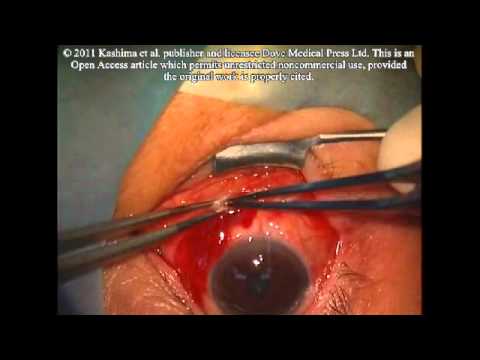
- Surgery: In some cases where it’s really bothersome, minor surgical procedures may help tighten up that loose tissue.
A quick note on lifestyle factors
Your environment plays a part too! Things like air conditioning or staring at screens for too long can make symptoms worse. So taking regular breaks from screens and using humidifiers may contribute positively to how your eyes feel.
If you’re concerned
If any symptoms persist or worsen over time, don’t hesitate to consult with someone qualified in eye health. Everyone deserves comfort when it comes to their vision!
This condition might seem daunting at first but understanding what it is can definitely make things easier for you. Remembering not all discomfort means serious trouble helps keep anxiety at bay!
Understanding Conjunctivochalasis: Symptoms and Diagnosis
Conjunctivochalasis, though a mouthful, is actually quite a common condition that can be uncomfortable but is often overlooked. It refers to the redundant or excess conjunctival tissue that can accumulate in the eye’s corner, particularly as we age.
The symptoms can vary from mild irritation to significant discomfort. People often report a feeling like there’s something in their eye. This sensation might be worse when it’s windy or dry outside, which frankly makes sense because those conditions can aggravate the issue.
Diagnosis typically involves a straightforward examination by an eye care professional. They will look at your eyes and may use special stains to assess how well your tears are spreading across the surface of your eye.
This condition can sometimes mimic other issues like dry eye syndrome, so differentiating between them is crucial. Treatment options range from simple artificial tears for lubrication to more involved procedures if it becomes severe. Many individuals manage with just over-the-counter drops, which is promising for those who dread complicated treatments.
Honestly, understanding conjunctivochalasis helps demystify why our eyes might feel off as we get older. It serves as a reminder that changes in our bodies are normal but keeping an open line of communication with healthcare providers about any concerns we have about our vision is key.