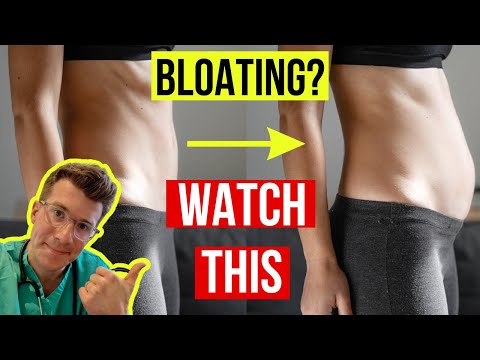
Bloating can feel like an unwelcome guest, leaving you uncomfortable and restless. It’s that feeling of fullness or tightness in your stomach that can turn a pleasant meal into a distressing experience. Many of us have faced this issue, but the good news is there are effective strategies to tackle it.
Imagine your digestive system as a well-tuned orchestra. When each section plays in harmony, everything flows smoothly. Bloating disrupts this rhythm, causing discord within your body. The good news? There are ways to help restore balance.
In this exploration of “12 Effective Strategies to Eliminate Bloating for Good,” we will dive into practical tips and lifestyle changes that can help tune your digestive orchestra back into harmony.
However, while these strategies can be incredibly helpful, remember that each person’s body is unique. What works for one individual may not work for another. Thus, it’s crucial to consult with various specialists—like dietitians or gastroenterologists—and gather information from reputable sources before making any significant changes to your routine. Your health journey is personal, so approach it with curiosity and caution!
The information provided in this article is intended solely for general informational and educational purposes. It does not constitute medical advice, diagnosis or professional treatment, and should not be considered a substitute for consultation with a qualified doctor or other licensed healthcare professional. Any health-related decisions should be made in consultation with accredited medical professionals.
While efforts have been made to ensure the information is accurate and up to date, no guarantees are given—either express or implied—regarding its accuracy, completeness, currency or suitability. Use of this information is at your own discretion.
It is strongly recommended to consult official sources such as the NHS (National Health Service) or other recognised medical institutions before acting on any information contained on this website or article. Under no circumstances should professional medical advice be ignored or delayed due to content read here.
This content is of a general and informational nature only. It is not intended to replace individualised guidance from a healthcare professional or to establish any doctor-patient relationship. The publication of this information does not imply any professional responsibility, guarantee or obligation on the part of the author or this site.
Discover Simple Solutions for a More Comfortable Gut
Bloating can feel uncomfortable and even frustrating. It often happens after eating, leaving your belly feeling swollen or tight. Understanding some simple solutions may help you find relief.
First, let’s talk about what causes bloating. It can result from gas, indigestion, or food intolerances. Sometimes it’s just the air we swallow while eating or drinking too quickly.
To start improving gut comfort, consider these effective strategies:
Next, examining your diet is essential. Certain foods can contribute to bloating. Foods high in fiber are healthy but should be added gradually.
Gut-friendly foods include:
Keep a food diary for a week. Record what you eat and note any symptoms afterward. This will help identify triggers.
Don’t forget hydration! Drinking enough water aids digestion and helps prevent bloating.
Basic physical activity also plays a role. Something as simple as a walk after meals can stimulate digestion.
Lastly, consider stress management techniques. Stress affects how our bodies digest food. Techniques like deep breathing or gentle yoga may offer relief.
In summary, small changes in diet and lifestyle can lead to a more comfortable gut. Be observant of how your body reacts to different foods and habits.
Remember that everyone’s body is different—what works for one person might not work for another. If symptoms persist or worsen, it could be wise to consult with someone who understands health deeply for personalized guidance.
Quick Relief Techniques to Alleviate Discomfort and Get Back on Track
Bloating can be uncomfortable and distracting. It can feel like a tightness in your abdomen, making it hard to focus on other tasks. Fortunately, there are quick relief techniques that can help you manage this discomfort.
First, let’s talk about hydration. Drinking water is essential for digestion. Sometimes bloating occurs because we’re not drinking enough. When dehydrated, our bodies retain water as a defense mechanism.
If you’re feeling bloated after a meal, consider going for a gentle walk. Movement helps stimulate the digestive system. Think of it like shaking up a bottle of soda; it encourages things to flow smoothly.
Breathing exercises can also provide relief. Take deep breaths in through your nose and out through your mouth. This helps relax your body and may ease any stress contributing to your bloating.
You may also want to try some herbal teas like peppermint or ginger tea after meals. These herbs have natural properties that might help soothe the digestive tract and promote gas relief.
The warmth relaxes muscles and can reduce cramping sensations associated with bloating.
Another helpful technique is practicing mindful eating. Slow down when you eat, and chew your food well. This not only enhances digestion but also prevents swallowing excess air that contributes to gas buildup.
Sometimes, specific foods may trigger bloating for you personally. Keeping a food diary can help identify these culprits over time sure you find what works best for your body.
Avoiding fizzy drinks during meals could also make a difference as the carbonation creates extra gas in the stomach.
If lifestyle changes aren’t enough, paying attention to portion sizes matters too. Eating smaller meals more frequently instead of large meals might alleviate pressure on the digestive system and prevent discomfort.
Remember, everyone’s body reacts differently. What works for one person might not work for another, so it’s about finding what suits you best while being gentle with yourself during the process.
In conclusion, while these techniques are simple and often effective at providing quick relief from bloating discomfort, staying informed about how your body responds is key! Always seek guidance if symptoms persist or change significantly.
Quick and Easy Tips to Feel Lighter and Energized Fast
Feeling bloated can be really uncomfortable. It’s that heavy feeling in your stomach that sometimes comes out of nowhere. Luckily, there are some quick tips that may help you feel lighter and more energized.
First off, stay hydrated. Drinking water throughout the day can help reduce bloating. Think of it as a natural rinse for your system. When you’re well-hydrated, your body is more likely to release excess water.
Next, consider your portions. Eating large meals can overwhelm your digestive system. Try smaller meals more frequently to give your body time to process food.
Mindful eating is another good strategy. Slow down and savor each bite. It’s like enjoying a favorite song instead of skipping through it too fast.
Movement also plays a key role in how you feel.
These activities can help move gas through your digestive tract, easing discomfort.
You might want to pay attention to what you’re eating too. Some foods are known for causing bloating, like beans and carbonated drinks. Keeping a food diary can help you identify patterns.
Another tip is to try herbal teas like peppermint or ginger tea after meals. These drinks are soothing on the stomach and may aid digestion.
If you love dairy but notice discomfort afterward, consider lactose-free options. Sometimes the body struggles with breaking down lactose in regular dairy products.
In addition, reducing salt intake may help since high sodium levels cause water retention. Incorporating fresh fruits and veggies instead can balance things out nicely.
Finally, take time to relax – stress can impact digestion too! Simple practices like deep breathing or meditation might create a calmer environment for your stomach.
Remember that everyone’s body is unique, so what works for one person might not work for another. It’s important to find strategies that feel right for you while being aware of any ongoing issues related to digestion or bloating. Listening to your body’s signals will guide you toward what helps best!
Bloating can be an uncomfortable and frustrating experience for many people. Understanding effective strategies to alleviate this symptom is crucial for improving overall well-being.
Firstly, focusing on diet is essential. Consuming smaller, more frequent meals can aid digestion and prevent bloating. Incorporating fiber-rich foods gradually helps maintain gut health but should be balanced with adequate hydration.
Secondly, mindfulness during meals can make a significant difference. Eating slowly and chewing thoroughly allows the digestive system to process food efficiently, reducing the chances of excess air intake.
Staying active plays a vital role as well. Regular physical activity encourages proper digestion and helps gas pass through the intestines.
It’s also valuable to identify and avoid specific food triggers that might lead to bloating, such as dairy or high-FODMAP foods. Keeping a food journal can help pinpoint these culprits.
Additionally, staying hydrated is crucial in flushing out excess sodium and reducing water retention. Herbal teas like peppermint or ginger may provide further relief due to their soothing properties on the digestive tract.
Mindful management of stress levels through techniques like deep breathing or yoga can also assist in regulating gut health.
Lastly, consider consulting with a healthcare provider if symptoms persist or worsen; they can guide you towards underlying issues that might need addressing.
By combining these strategies thoughtfully, individuals may find substantial relief from bloating while enhancing their overall digestive health. Understanding our bodies better empowers us to take control of our wellness journey effectively.