The information provided in this article is intended solely for general informational and educational purposes. It does not constitute medical advice, diagnosis or professional treatment, and should not be considered a substitute for consultation with a qualified doctor or other licensed healthcare professional. Any health-related decisions should be made in consultation with accredited medical professionals.
While efforts have been made to ensure the information is accurate and up to date, no guarantees are given—either express or implied—regarding its accuracy, completeness, currency or suitability. Use of this information is at your own discretion.
It is strongly recommended to consult official sources such as the NHS (National Health Service) or other recognised medical institutions before acting on any information contained on this website or article. Under no circumstances should professional medical advice be ignored or delayed due to content read here.
This content is of a general and informational nature only. It is not intended to replace individualised guidance from a healthcare professional or to establish any doctor-patient relationship. The publication of this information does not imply any professional responsibility, guarantee or obligation on the part of the author or this site.
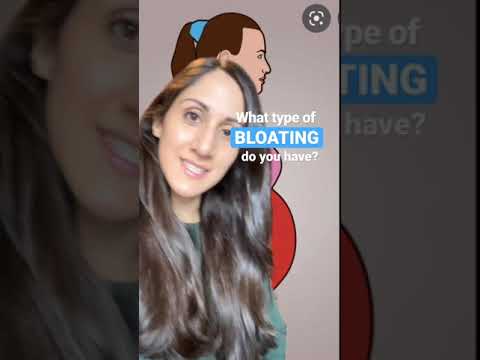
Ever felt like you’ve swallowed a balloon right before your period? You’re definitely not alone. Bloating is a common issue for many people, and it can be quite uncomfortable. In fact, studies show that nearly 80% of women experience some form of bloating during their menstrual cycle. It’s frustrating, right?
This article dives into six effective tips to help manage those pesky bloating symptoms. We’ll explore simple lifestyle changes and practical strategies that you might find helpful when those cramps and discomfort strike.
Understanding why this happens can make it feel a little less daunting. You know, fluctuating hormones can play tricks on our bodies, leading to water retention and digestive issues. But don’t worry; there are ways to ease the discomfort.
Remember though, while these tips are meant to help alleviate symptoms, this content doesn’t replace professional medical advice. Always consult with a healthcare professional for personalized guidance tailored specifically to your health needs.
Understanding the Uncomfortable Connection Between Bloating and the Appearance of Pregnancy
Bloating can be a pretty confusing issue for many people. You might notice it around your menstrual cycle or even suspect pregnancy, but they don’t always mean the same thing. Let’s dive into how these two are connected.
What is bloating?
Bloating refers to that uncomfortable feeling of fullness or swelling in your abdomen. Sometimes, it can feel like you’ve eaten a massive meal, even when you haven’t. It’s often caused by gas buildup, constipation, or dietary choices.
The hormonal connection
Hormones play a big role here! During your menstrual cycle, hormones like progesterone increase after ovulation. This can slow digestion and lead to bloating. So if you’re feeling bloated just before your period, that’s pretty common.
Pregnancy’s impact
If you become pregnant, hormonal changes are even more pronounced. The body produces more progesterone which relaxes smooth muscles—including those in the intestines—leading to slower digestion and more bloating.
Similar symptoms
This similarity can trick some people into thinking they might be pregnant when they actually just have typical premenstrual symptoms (PMS). It’s sort of like mistaking a storm for a hurricane; they both involve lots of wind but aren’t exactly the same!
A closer look at timing
Timing is important too. If you’re experiencing bloating right before your period and then it disappears after you start bleeding, it’s likely related to PMS. However, if it sticks around longer and you miss your period—that’s something worth considering with pregnancy.
Managing bloating symptoms
- Diet adjustments: Reducing salty foods can help because salt retains water.
- Stay hydrated: Drinking enough water helps flush out excess sodium.
- Sneak in exercises: Light physical activity like walking can aid digestion.
- Avoid carbonated drinks: They introduce extra gas into your system that can cause more bloating.
- Pace yourself while eating: Eating too fast leads to swallowing air which worsens that full feeling.
- An herbal tea: Chamomile or peppermint tea may soothe digestive discomfort for some people.
If you’re often confused about whether it’s PMS or an early sign of pregnancy due to bloating—and who’s not?—keeping track of your menstrual cycles with an app or calendar might make things clearer over time.
The bottom line
Bloating during periods and early pregnancy share similarities due to hormonal changes driving them both. However, recognizing the timing and context helps clarify what might be going on with your body at any given moment—for instance tracking symptoms closely could be really beneficial
. But remember: if you have ongoing concerns about pain or persistent issues with bloating, reaching out to someone who knows about health matters is always wise!
Quick Relief Tips to Feel Lighter and More Comfortable Fast
Understanding Period Bloating
Hey, if you’ve ever experienced period bloating, you know it can be uncomfortable. It feels like your abdomen is swollen or heavy. The reason behind this is mostly hormonal changes. See, when your body prepares for menstruation, levels of hormones like progesterone rise, causing water retention and gas.
Tip 1: Stay Hydrated
You might think that drinking less water will reduce bloating, but actually, staying hydrated helps flush out excess sodium. This can help reduce that puffy feeling. Plus, herbal teas like peppermint or ginger can soothe your stomach.
Tip 2: Watch Your Intake
Look, some foods can really add to that bloated feeling. Think salty snacks or carbonated drinks; they can make things worse. Instead, opt for light meals with fruits and vegetables that are easy to digest.
Tip 3: Gentle Exercise
You don’t have to hit the gym hard; even a short walk can help ease bloating by getting your digestive system moving. Movement encourages gas release and reduces discomfort.
Tip 4: Consider Herbal Remedies
Certain herbs have natural diuretic effects which might help reduce water retention. Chamomile or dandelion tea are popular choices among many who experience bloating during their periods.
Tip 5: Stress Management
It’s interesting how stress can affect digestion too! Practicing relaxation techniques such as deep breathing or meditation may ease symptoms of bloating. Try focusing on your breath for just a few minutes.
Tip 6: Heat Therapy
A warm bath or heating pad on your abdomen can work wonders! The heat helps relax muscles and provides relief from cramps which often accompany bloating during periods.
The Bottom Line
No one enjoys feeling heavy and uncomfortable during their period! While these tips may not eliminate the issue completely, they could offer some comfort as you manage those symptoms over time. Listening to your body’s cues is always key!
Understanding the Timeline and Relief for Your Monthly Discomfort
Understanding the Timeline of Your Monthly Discomfort
So, let’s chat about that monthly discomfort many experience—period bloating. It can feel like an unwelcome friend that shows up right when you least expect it. This bloating usually kicks in a few days before your period starts and might stick around for the first couple of days. But what causes it?
During your menstrual cycle, hormones, especially progesterone and estrogen, fluctuate. These changes can lead to water retention, which is basically your body holding onto extra fluid. Think of it like a sponge soaking up water; when hormones change, the sponge expands.
Timing of Symptoms
- Days 1-2: You may notice bloating as your period begins.
- Days 3-5: Bloating might still be a thing but should start to ease up as bleeding slows down.
- Post-period: Bloating often disappears completely as hormone levels stabilize.
This timeline can vary from person to person. Some might feel bloated for just a day or two, while others could experience it for longer. It’s just part of our individual cycles.
Relief Strategies for Managing Period Bloating
If you’re looking to ease that bothersome feeling, there are some strategies you might want to try out. It’s important to find what works best specifically for you!
- Diet Adjustments: Reducing salt intake can help lessen water retention.
- Hydration: Drinking enough water actually helps flush out excess sodium.
- Mild Exercise: A short walk or yoga can help with circulation and reduce discomfort.
- Adequate Sleep:The more rested you are, the better your body can handle hormonal shifts.
You know? Many people find comfort in heat too! Using a heating pad on your abdomen may relieve cramping and bloating symptoms—just like how warm soup feels cozy on a chilly day.
A Quick Word on Myths
You might hear some myths floating around about menstruation and bloating. For example, some think that all forms of exercise are off-limits when you’re on your period—that’s not true! Gentle movement is often beneficial during this time.
If heavy bloating or pain becomes frequent or intense, it’s always good sense to chat with someone who knows these things well—a healthcare provider. They can take a closer look at any concerns you have and guide you through the options available based on personal history instead of relying solely on general advice.
A lot goes into understanding our bodies monthly rhythms! By paying attention and finding helpful techniques like those mentioned above, hopefully you’ll feel more comfortable each month while navigating through cycles—and maybe even learn to embrace them over time!
Menstrual bloating is a common issue that many people experience during their period. It can make you feel uncomfortable and can sometimes be pretty frustrating. While it’s important to acknowledge that bloating is a natural response, it’s equally vital to explore ways to manage it effectively.
When considering the six effective tips for managing bloating symptoms, I was struck by how lifestyle changes can play a significant role. For instance, maintaining hydration is key; water helps flush out excess sodium, which can reduce that puffy feeling. Additionally, being mindful about what you eat can really make a difference.
Incorporating foods rich in potassium like bananas or avocados may help balance sodium levels. It’s interesting how something as simple as diet adjustments can provide relief. Exercise also stands out; gentle movement like walking or yoga may help ease discomfort and improve circulation.
Mental health factors shouldn’t be overlooked either. Stress can exacerbate bloating symptoms, so practices like meditation or deep breathing exercises could be beneficial. It’s all interconnected—our physical and mental health often influence one another.
Lastly, while over-the-counter medications might offer temporary relief for some, it’s best to approach them with caution and consult with a healthcare professional if symptoms persist. These tips are useful starting points but always remember every individual may react differently.
The emphasis on listening to one’s body resonates deeply with me. Each person has unique experiences during their menstrual cycle; finding what works best for you is essential in managing these symptoms effectively.