The information provided in this article is intended solely for general informational and educational purposes. It does not constitute medical advice, diagnosis or professional treatment, and should not be considered a substitute for consultation with a qualified doctor or other licensed healthcare professional. Any health-related decisions should be made in consultation with accredited medical professionals.
While efforts have been made to ensure the information is accurate and up to date, no guarantees are given—either express or implied—regarding its accuracy, completeness, currency or suitability. Use of this information is at your own discretion.
It is strongly recommended to consult official sources such as the NHS (National Health Service) or other recognised medical institutions before acting on any information contained on this website or article. Under no circumstances should professional medical advice be ignored or delayed due to content read here.
This content is of a general and informational nature only. It is not intended to replace individualised guidance from a healthcare professional or to establish any doctor-patient relationship. The publication of this information does not imply any professional responsibility, guarantee or obligation on the part of the author or this site.
Have you ever felt that uncomfortable bloating after a meal, like your stomach is a balloon? You’re not alone. Many people experience gas and bloating, and it can really get in the way of enjoying life. But what if I told you there’s a way to help ease that discomfort right from your home?
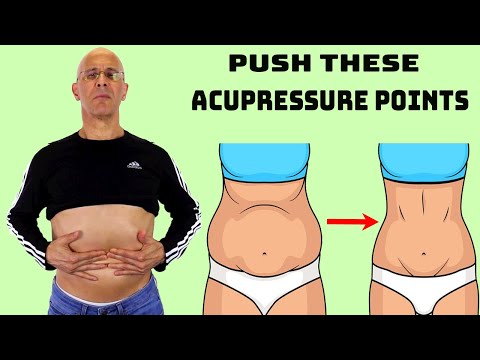
This article explores five key acupressure points that can provide relief from gas and bloating. Acupressure is an ancient practice rooted in traditional Chinese medicine. It’s all about applying gentle pressure to specific points on the body to promote healing and wellness.
You might think acupressure sounds complicated, but it’s actually pretty simple! Think of it as giving your body a little nudge where it needs help. By targeting these specific points, you may find some comfort without needing any fancy medicines.
Of course, keep in mind that this advice doesn’t replace professional medical guidance. Health decisions should always involve consultation with a healthcare professional who understands your unique situation. Ready to learn more about these acupressure points? Let’s dive in!
Unlock Instant Relief: Discover the Acupressure Points That Banish Gas Fast
What is Acupressure?
Acupressure is an ancient healing technique that comes from Traditional Chinese Medicine. It’s kind of like acupuncture, but without needles. Instead, you apply pressure to specific points on the body. This can help relieve various issues, including gas and bloating.
How Can Acupressure Help with Gas?
When you experience gas, it can lead to discomfort and even pain. Acupressure aims to stimulate certain points, which may help your digestive system work better. Think of it like giving your system a gentle nudge.
Key Acupressure Points for Gas Relief
- Pericardium 6 (P6): Located on the inside of your forearm, about two and a half finger breadths down from the wrist crease. Pressing here may help ease nausea and discomfort.
- Large Intestine 4 (LI4):This point is in the webbing between your thumb and index finger. Applying pressure might relieve abdominal pain and discomfort.
- Spleen 6 (SP6):This point is just above your ankle bone on the inside of your leg. It’s said to aid digestion; pressing it could be beneficial after meals.
- Belly Button Point:You can find this point at your belly button itself! Gentle pressure here may help alleviate bloating.
- Kidney 3 (KD3):This point is located behind the inner ankle bone. It’s thought that this may support overall digestive health when stimulated.
How to Apply Acupressure?
You don’t need much fancy equipment for acupressure—just your fingers! Find a comfortable position, maybe sit or lie down, then gently press on these points with medium pressure for about one to two minutes each.
When To Use It?
If you’ve overindulged in food or are feeling gassy after a meal, this might be a good time to try acupressure. But remember, it’s not a replacement for medical advice if you’re dealing with serious issues or persistent symptoms!
A Quick Reminder
The effects of acupressure can vary from person to person. Some people might feel relief almost immediately; others might need multiple sessions over time. So be patient with yourself!
Paying Attention To Your Body
Your body communicates its needs in subtle ways. So if you’re feeling bloated often or experiencing discomfort regularly, it’s worth paying attention too—not just trying self-care techniques alone but also talking with someone who can provide guidance.
An Open Mind Goes A Long Way
If you give acupressure a shot don’t be too hard on yourself if it doesn’t work wonders right away! Sometimes things take time or require different approaches—be open minded about what helps you best!
Quick Tips for Instant Relief from Discomfort
Feeling bloated or dealing with gas can be really uncomfortable, right? It happens to most of us at some point. Thankfully, there are ways to find relief, including acupressure. Think of it as a kind of self-care that uses the body’s pressure points.
What Is Acupressure?
Acupressure is an ancient Chinese technique. It involves applying gentle pressure to specific points on the body. These points correspond with areas that can help ease discomfort. It’s like tapping into your body’s natural ability to feel better.
Key Acupressure Points for Gas and Bloating
- Point 1: Stomach 36 (Zusanli)
Located just below the kneecap, about four finger-widths down the leg. Pressing here may help digestion. - Point 2: Spleen 6 (Sanyinjiao)
Found around three finger-widths above your ankle bone on the inner side of your leg. This one is key for digestive issues. - Point 3: Large Intestine 4 (Hegu)
It’s situated between your thumb and index finger on the back of your hand. Pressing this spot might relieve overall discomfort. - Point 4: Pericardium 6 (Neiguan)
On the inner forearm, about two finger-widths from your wrist crease. It’s known to reduce nausea and tension. - Point 5: Ren 12 (Zhongwan)
This point is on the abdomen, halfway between your belly button and breastbone. It can ease bloating when pressed gently.
How Do You Use These Points?
You can use acupressure at home when you’re feeling uncomfortable. Just find the points mentioned above and apply gentle pressure using your fingers or thumbs for a minute or two. Sometimes circular motions help too!
The thing is you have to listen to your body—if it feels good, keep going; if not, maybe try another spot or technique.
Anecdotes and Experiences
A lot of people have tried this method after meals when they feel heavy in their stomachs or experience gas buildup. They often talk about how just a few minutes spent pressing these points made them feel lighter and more at ease.
You might be wondering if there’s science behind this practice—well, some studies say yes! There seems to be a link between acupressure and relief from digestive issues, though more research is still needed in many areas.
A Couple Of Notes
Please remember that while these techniques might help you feel better temporarily; they’re not substitutes for professional medical advice or treatment when needed.
If you’re having persistent issues with gas or bloating, checking in with a healthcare provider might provide more insights into what’s going on!
Summing Up
The next time you’re feeling uncomfortable due to gas or bloating, consider giving acupressure a try! Just remember to be gentle with yourself—your body knows what it needs; sometimes it’s just about listening closely!
Discover Ancient Solutions for Modern Digestive Woes
Understanding Digestive Issues
Sometimes, we all experience digestive discomfort. Gas and bloating can be really annoying. They can happen after a meal or even when we’re stressed. Knowing where they come from helps us deal with them better.
Diet is often a big factor. Some foods, like beans and broccoli, produce more gas than others. This is because these foods contain fibers that our body can’t fully digest. So, they ferment in the gut instead, creating gas.
Ancient Solutions
For ages, people have looked for natural ways to ease digestion issues. One of those methods is acupressure—a practice rooted in traditional Chinese medicine.
Acupressure involves applying pressure to specific points on the body. It’s believed that this helps balance energy flow and relieve discomfort.
The Key Acupressure Points
- Liver 3 (Tai Chong): Located between the big toe and second toe, this point may help with bloating.
- Stomach 36 (Zu San Li): Found about four finger-widths below your knee cap on the outer side of your shin bone, this one’s thought to enhance digestion.
- Spleen 6 (San Yin Jiao): This point is near the ankle on the inside of your leg; it’s said to be useful for general digestive health.
- Dumai 4 (Yin Tang): Situated between your eyebrows; applying pressure here might help calm anxiety related gut issues.
- Pericardium 6 (Neiguan): Located about two inches above your wrist on the inner forearm; it could help reduce nausea related to gas buildup.
Using Acupressure Effectively
To use these points, you simply apply firm but gentle pressure with your fingers for about 30 seconds at a time. You can do it multiple times a day if needed. It can be done while sitting comfortably or even lying down.
The beauty of acupressure is that it’s simple and doesn’t require any special tools or training—just your hands!
Skepticism and Myths
No solution is universal, though! What works well for one person might not work at all for another—so keep an open mind! Some people might find relief quickly while others may not notice much change at all.
If you’re experiencing persistent digestive issues or pain, it’s always wise to consult someone who can provide good advice based on medical knowledge and experience. Balancing ancient practices with modern understanding makes sense in addressing these concerns effectively!
Acupressure is a fascinating approach to managing discomfort, like gas and bloating. It’s based on traditional Chinese medicine principles, which emphasize the balance of energy in the body. By applying pressure to specific points, people often find relief from various ailments.
There are five key acupressure points commonly used for relieving gas and bloating. These points are located in easily accessible areas of the body, making self-treatment quite practical. For example, one well-known point is called “Zusanli,” located just below the knee. Applying firm pressure here can help stimulate digestion.
Another point is “Tianshu,” found near the belly button. Massaging this area may enhance overall digestive function. There’s also “Shenque,” which specifically targets discomfort in the abdomen. Understanding these locations helps individuals take charge of their health in a simple yet effective way.
While acupressure can be beneficial, it’s essential to remember that everyone’s body responds differently. Some might notice immediate relief while others may need ongoing practice to see results. And it’s always wise to consult with a healthcare provider if symptoms persist or worsen.
This reflective exploration illustrates how integrative techniques like acupressure can complement more conventional treatments for digestive issues. Encouraging awareness of one’s own body through simple practices fosters greater control over personal health.