The information provided in this article is intended solely for general informational and educational purposes. It does not constitute medical advice, diagnosis or professional treatment, and should not be considered a substitute for consultation with a qualified doctor or other licensed healthcare professional. Any health-related decisions should be made in consultation with accredited medical professionals.
While efforts have been made to ensure the information is accurate and up to date, no guarantees are given—either express or implied—regarding its accuracy, completeness, currency or suitability. Use of this information is at your own discretion.
It is strongly recommended to consult official sources such as the NHS (National Health Service) or other recognised medical institutions before acting on any information contained on this website or article. Under no circumstances should professional medical advice be ignored or delayed due to content read here.
This content is of a general and informational nature only. It is not intended to replace individualised guidance from a healthcare professional or to establish any doctor-patient relationship. The publication of this information does not imply any professional responsibility, guarantee or obligation on the part of the author or this site.
Ever found yourself with a nagging headache and wondered if there’s a way to ease the pain without popping a pill? You’re not alone. Many people grapple with everyday discomforts like tension, muscle pain, or stress. And sometimes, all it takes is a little knowledge about our own bodies.
Pressure points, those specific spots on our bodies that can help relieve pain, are fascinating. They’ve been used for centuries in various healing practices. Think of them as tiny switches that can significantly change how you feel by applying pressure to just the right place.
This article explores eight effective pressure points you can use for pain relief. We’ll break down how to find them and what each one does. It’s like having your own toolkit for managing discomfort at home.
But remember, while this information can be helpful, it’s not a substitute for medical advice. It’s always smart to consult with a healthcare professional before making any health decisions based on what you read here. Your well-being matters! So let’s dive in and discover these powerful points together!
Unlocking Relief: Discover the Body’s Hidden Pain-Relieving Secrets
Understanding Pain and the Body’s Response
Pain is a complex experience. It’s not just about physical discomfort; it’s intertwined with emotional and psychological factors too. Sometimes, it can feel like it’s controlling your life, right? Pain can stem from various sources like an injury, chronic conditions, or even stress.
What are Pressure Points?
Pressure points are specific areas on the body that may respond to pressure or massage. Think of them as tiny switches that might help relieve pain or tension when activated. These points are often connected to our nervous system and can influence how we feel.
The Science Behind It
When you apply pressure to these points, it might trigger a release of endorphins. Endorphins are your body’s natural painkillers—they help reduce discomfort and boost mood. It’s kind of like finding a secret path to relief.
Eight Effective Pressure Points
- LI4 (Hegu): Located between your thumb and index finger, this point may help with headaches and tension.
- PC6 (Neiguan): Found on your wrist, this point could assist with nausea and anxiety.
- ST36 (Zusanli): Just below your knee cap, it’s believed to support digestion and fatigue.
- B54 (Yao Yan): Near the lower back, might relieve lower back pain for some folks.
- K3 (Taixi): Found near the ankle bone, potentially helpful for lower back issues.
- Spleen 6: Located above the ankle on the inside of your leg—sometimes used for menstrual cramps.
- B10 (Tian Zhu): At the base of your skull; some people find relief from neck pain here.
- P7 (Daling): On the wrist crease; has been linked with calms feelings or stress reduction.
A Gentle Approach to Trying Them Out
If you’re curious about these pressure points, you could try gently pressing or massaging them during moments of discomfort. You know, everyone’s body is different—what works for one person might not work for another. So it’s important to listen to yourself!
The Bigger Picture: Lifestyle Matters Too!
You shouldn’t rely solely on pressure points for pain management. Incorporating healthy habits like regular exercise, proper hydration, nutritious food choices, and mindfulness practices can create a more balanced approach. It’s like constructing a solid house; every part supports another!
Caution with Pressure Points
If you have any underlying health conditions or concerns about pain management strategies it’s always smart to consult someone who knows best in those situations! Avoid applying excessive pressure—it should be gentle but firm enough to notice something happening.
Your Journey with Pain ManagementIf you’re exploring alternative methods for handling pain relief remember that patience is key! Finding what really works for you may take some time—and that’s perfectly okay! Be open-minded but also critical when trying out new techniques based on personal experience—and enjoy learning along the way!
Unlock Your Body’s Healing Potential with Simple Hand Techniques
Understanding Pressure Points
Hey, let’s talk about pressure points. These are specific spots on your body that can trigger certain responses when pressed. Think of them like buttons you can push to relieve discomfort. This isn’t magic; it’s all about how your body and nervous system work together.
How Do They Work?
When you apply pressure to these points, it sends signals through your nerves. These signals may help reduce pain or promote relaxation. It’s like when you rub an achy spot on your back and feel some relief—there’s science behind that! Pressure points influence blood flow and may release tension too.
8 Common Pressure Points
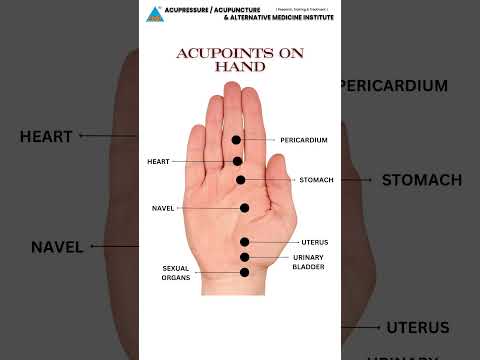
- LI4 (Hegu): Located between the thumb and index finger, this point is often used for headaches and stress relief.
- P6 (Neiguan): Found on the inner forearm, about three finger breadths from the wrist, it helps with nausea and anxiety.
- B10 (Tianzong): At the base of your skull, this point may alleviate neck pain and headaches.
- K1 (Yongquan): Pressing under the ball of your foot can help ground your energy—great for when you’re feeling overwhelmed.
- S36 (Zusanli): Located just below the knee cap, it’s linked to digestive health and overall vitality.
- Tai Chong (LV3): On top of the foot between the first two bones—useful for stress relief and menstrual cramps.
- Spleen 6: Found above the ankle on the inside of the leg; it can help regulate hormones and menstrual issues.
- B23 (Shenshu): Located in your lower back area—this is connected to kidney health which influences energy levels.
The Art of Applying Pressure
You might be wondering how much pressure is enough. The thing is—it varies for each person! Generally, you want to find a balance between firmness and comfort. If it hurts too much? Ease up a bit! You should feel tension releasing but not extreme pain.
A Simple Technique to Try
If you’re new to this, start with LI4. Breathe deeply as you apply gentle pressure for 30 seconds or so. Then release slowly while continuing to breathe deeply. You might notice a change in how relaxed you feel afterwards!
Myths vs Facts
A common myth is that these techniques are only effective if done by a professional. While many practitioners have training in this area, exploring these techniques yourself can also be beneficial! Just remember every body reacts differently—so what works wonders for someone might not work quite as well for another person.
Final Thoughts
The beauty of using hand techniques lies in their accessibility—you don’t need fancy equipment or a lot of time! Whether you’re at home or even at work during breaks, learning these simple methods can empower you in managing discomfort naturally. It’s all about listening to your body!
Unlocking the Secrets to Your Body’s Hidden Energy Centers
Understanding Your Body’s Energy Centers
Many people talk about energy centers in the body, often called “chakras.” The concept comes from ancient traditions and beliefs. You might think of chakras like wheels of energy that spin in different areas of your body, affecting your emotions and physical health.
Some believe that by tapping into these centers, you can promote better health and release tension. Isn’t that interesting? It’s like tuning a musical instrument to get the best sound out of it.
What are Pressure Points?
Pressure points are specific spots on your body where nerves are near the skin’s surface. When pressure is applied to these points, it can stimulate healing or relieve pain. Think of them as shortcuts for communication between your brain and different parts of the body.
You may have heard someone mention trigger points or acupressure. It’s pretty similar! They’re all about using touch to affect how we feel inside our bodies.
Common Pressure Points for Pain Relief
- LI4 (Hegu): Located between your thumb and index finger, this point is often used for headaches and stress relief.
- P6 (Neiguan): Found on your wrist, about three finger-widths down from the crease. People use it for nausea and anxiety.
- Split Point (GB21): Right on top of your shoulder muscle, squeezing this spot might help tension headaches or neck pain.
- K1 (Yongquan): This point is on the ball of your foot. Supposedly great for grounding yourself when feeling stressed!
- B60 (Kunlun): Located behind your ankle bone; it’s said to help with lower backache or sciatica discomfort.
- Liver 3 (Taichong): Found on the top of your foot between bones 1 and 2; tapping here could ease irritability or frustration.
- Ears: The ear has many pressure points that reflect different parts of the body—massaging them may stimulate relaxation and balance!
- Spleen 6 (Sanyinjiao): Located above the ankle bone; often used by women for menstrual pain relief.
You know what’s cool? Applying gentle pressure to these spots doesn’t require any special training really! Just a little bit of experimentation can go a long way in helping you find some comfort from everyday pains.
Caution with Pressure Points
If you’re considering trying out pressure point techniques, listen to what your body tells you. It’s important not to apply too much force—it should be gentle but firm enough to feel soothing without causing any extra pain.
If you have underlying health matters or issues like pregnancy or chronic conditions, checking in with someone who knows about it helps ensure you’re doing okay while trying new methods!
Your Journey Towards Balance
Your body’s energy flow can be influenced by many factors: stress, diet, movement—all play a role! By understanding these concepts better—like knowing where those handy pressure points are—you can create habits that might promote overall well-being over time.
The connection between body and mind is truly fascinating! Sometimes just reflecting on how we’re feeling allows us to tap into resources we didn’t even recognize were there before. So go ahead—explore a bit more!
Talking about pressure points can feel a bit mystical, but the underlying science is fascinating. Pressure points are specific areas on the body where you can apply pressure to relieve pain or discomfort. It’s sort of like pushing the right buttons on a remote control to get your favorite show.
For instance, when you press on certain spots, it triggers a response in your nervous system that can help ease headaches or tension. Think of it as a way to talk to your body without words. The eight effective points often mentioned include areas like between your eyes or at the base of your skull.
So, how do these work? Well, applying firm pressure stimulates blood flow and releases endorphins, which are natural painkillers. I mean, who wouldn’t want that? The challenge lies in knowing where exactly to press and how hard. Sometimes it’s like finding a hidden treasure map.
It’s also important to remember that while these techniques can be very helpful for mild discomfort, they’re not magic fixes for serious health issues. They should complement other treatments rather than replace them. So if you’re experiencing persistent pain or any medical conditions, consulting with a healthcare professional is always wise.
This approach highlights an integration of physical and mental well-being—an essential aspect since stress often exacerbates physical ailments. Honestly, exploring this topic opens up new avenues for managing everyday annoyances in our bodies without relying solely on medications.
All things considered, understanding these pressure points encourages self-care awareness and empowers us to take an active role in our health journey