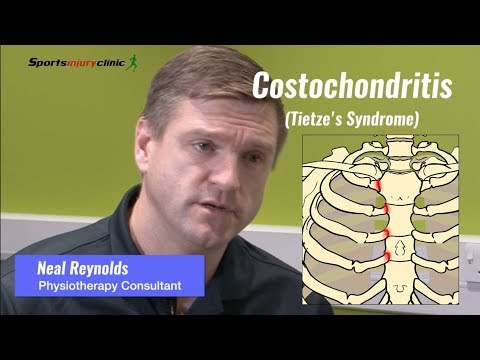
Costochondritis might sound like a mouthful, but it’s a condition that many people experience without even knowing what to call it. Imagine feeling sharp or aching pain in your chest area, particularly where your ribs meet your breastbone. That’s costochondritis—a common issue that can often be mistaken for something more serious, like a heart problem. Understanding the symptoms and pain points of this condition can help you navigate your discomfort and find relief.
Most people with costochondritis notice tenderness or pain in the chest wall. It may worsen with certain movements, deep breathing, or even coughing. At times, the pain can radiate along the rib cage, giving you an unsettling sensation that can trigger anxiety about what’s happening inside your body. Yet, knowing more about this condition can bring clarity and reassurance.
It’s crucial to remember that while costochondritis is typically harmless, understanding its symptoms is key to managing any discomfort you may feel. However, don’t disregard chest pain. Always consult with healthcare professionals when experiencing significant or unusual discomfort to rule out other potential issues.
Before diving into resources about costochondritis, ensure you gather information from various specialists and media sources. Hearing multiple perspectives helps paint a clearer picture and empowers you in making informed health decisions tailored to your needs. Each person’s journey is unique; knowledge will guide you toward optimal wellness.
The information provided in this article is intended solely for general informational and educational purposes. It does not constitute medical advice, diagnosis or professional treatment, and should not be considered a substitute for consultation with a qualified doctor or other licensed healthcare professional. Any health-related decisions should be made in consultation with accredited medical professionals.
While efforts have been made to ensure the information is accurate and up to date, no guarantees are given—either express or implied—regarding its accuracy, completeness, currency or suitability. Use of this information is at your own discretion.
It is strongly recommended to consult official sources such as the NHS (National Health Service) or other recognised medical institutions before acting on any information contained on this website or article. Under no circumstances should professional medical advice be ignored or delayed due to content read here.
This content is of a general and informational nature only. It is not intended to replace individualised guidance from a healthcare professional or to establish any doctor-patient relationship. The publication of this information does not imply any professional responsibility, guarantee or obligation on the part of the author or this site.
Exploring the Pain Points and Symptoms of Costochondritis
Costochondritis is an inflammation of the cartilage that connects a rib to the sternum, also known as the breastbone. This condition can lead to discomfort and pain in the chest area. Let’s break down what you might experience if you have costochondritis.
The main symptom is chest pain. This pain can feel sharp or aching and may vary in intensity. It often worsens with certain movements, deep breaths, or physical activity. Think of it like a sore muscle; it hurts more when you stretch or use it.
Many people describe the pain as localized, meaning it’s usually focused on one specific area of the chest. You might find that pressing on this area exacerbates the discomfort. It’s a bit like pressing on a bruise—much easier to feel when you poke at it!
Another common symptom is tenderness in the affected area. You may notice that even light touch can trigger discomfort. The spot may feel swollen, although visible swelling isn’t always present.
Stress and anxiety can sometimes heighten your awareness of costochondritis pain, which complicates how we perceive discomfort. Managing stress through relaxation techniques might provide some relief alongside other treatments.
It’s essential to understand that while costochondritis can be uncomfortable, it’s usually not dangerous—like getting a bruise that just needs time to heal.
If you’re feeling persistent chest pain or have concerns about your health, consider seeking advice from a healthcare provider for proper assessment and management options.
In conclusion, understanding costochondritis means recognizing its unique symptoms and how they affect daily life. Being informed leads to better self-care and helps in making educated health decisions moving forward.
Uncovering the Hidden Causes Behind Your Chest Pain
Chest pain can be alarming, and rightly so. It’s a signal that something might not be right in your body. But not all chest pain points to serious issues. One often overlooked cause is costochondritis.
Costochondritis is an inflammation of the cartilage connecting your ribs to your breastbone. It’s not a life-threatening condition but can be quite painful. It often mimics heart attack symptoms, which adds to the confusion.
Symptoms of Costochondritis include:
Think of your rib cage like a protective shell around vital organs. When inflammation occurs, it’s similar to having a sore joint—movement causes discomfort.
The exact cause of costochondritis isn’t always clear. Some common triggers include:
It’s important to rule out serious conditions like heart problems or lung issues when experiencing chest pain. Always seek medical attention when you’re uncertain about the nature of your symptoms.
Costochondritis is typically diagnosed through physical examination and medical history rather than extensive testing. Much like judging a book by its cover, doctors assess how you feel and where it hurts.
Treatment usually focuses on relieving pain and reducing inflammation. This might involve:
Most people recover completely from costochondritis with appropriate care. Think of it as a sprain—rest tends to do wonders over time.
It’s also crucial to address any potential lifestyle factors contributing to ongoing discomfort, like being mindful of posture while working or exercising properly.
Always remember: while chest pain can sometimes signal urgency, understanding possible causes helps ease anxiety and promotes better health choices. Keeping informed equips you to have constructive conversations with healthcare providers about any concerns you may have!
Understanding Your Symptoms: A Clear Guide to Chest Pain vs. Costochondritis
Chest pain can be scary. It’s one of those symptoms that many of us think the worst about. But not all chest pain is created equal. Understanding the difference between problems like heart issues and costochondritis can help you make better decisions about your health.
Chest pain can arise from various sources, including heartburn, anxiety, or heart conditions. When people talk about dangerous chest pain, they often refer to symptoms linked with the heart. This type of pain may feel tight, squeezing, or like pressure in your chest.
On the other hand, costochondritis refers to inflammation of the cartilage that connects a rib to the sternum (breastbone). This condition is less severe but can still be quite painful. The pain associated with costochondritis often feels sharp and can worsen with certain movements or when you take deep breaths.
When trying to differentiate between these two types of pain, consider these key points:
If you experience chest discomfort that feels different than usual for you—especially if it’s accompanied by sweating, nausea, or shortness of breath—it’s important to seek help immediately.
Costochondritis alone is generally not dangerous but can cause lingering tenderness and discomfort. Treatment usually includes rest and over-the-counter medications to manage inflammation and reduce pain.
Some myths surround these conditions. A common one is thinking that only older adults experience heart problems. In reality, younger individuals can face risks too! It’s essential to listen to your body and assess symptoms without jumping to conclusions based on age alone.
In summary, understanding your symptoms is crucial for making informed decisions about your health. Not every chest ache leads to a serious problem like a heart attack; sometimes it could just be costochondritis causing discomfort.
But always trust your instincts—if something doesn’t feel right or seems unusual for you, don’t hesitate to seek professional advice for reassurance and guidance.
Costochondritis is a condition where the cartilage connecting the ribs to the breastbone becomes inflamed, leading to chest pain. The symptoms can be similar to heart issues, which often causes anxiety for those experiencing it. Understanding this condition is crucial for proper management and alleviation of concerns.
The primary symptom is localized chest pain, usually sharp and worsened by certain movements or pressure on the chest area. Many people describe it as a stabbing sensation or ache that may radiate. It’s important to note that while costochondritis can be uncomfortable, it is generally not serious.
Recognizing triggers can help in managing pain. Activities that involve heavy lifting, strenuous exercise, or even prolonged coughing can exacerbate symptoms. Resting and avoiding these triggers often leads to improvement.
In terms of treatment, over-the-counter pain relievers can provide relief. Heat therapy and gentle stretching exercises may also alleviate discomfort. Some individuals benefit from physical therapy to strengthen muscles around the chest wall.
A common misconception is that costochondritis indicates heart disease or a more significant health issue. While any new chest pain should be evaluated by a healthcare professional, understanding that costochondritis is common and often self-limiting can relieve unnecessary anxiety.
Finally, maintaining open communication with healthcare providers about all symptoms helps ensure proper diagnosis and effective treatment strategies tailored to individual needs. Recognizing the body’s signals empowers you to make informed health choices while navigating your wellness journey.