The information provided in this article is intended solely for general informational and educational purposes. It does not constitute medical advice, diagnosis or professional treatment, and should not be considered a substitute for consultation with a qualified doctor or other licensed healthcare professional. Any health-related decisions should be made in consultation with accredited medical professionals.
While efforts have been made to ensure the information is accurate and up to date, no guarantees are given—either express or implied—regarding its accuracy, completeness, currency or suitability. Use of this information is at your own discretion.
It is strongly recommended to consult official sources such as the NHS (National Health Service) or other recognised medical institutions before acting on any information contained on this website or article. Under no circumstances should professional medical advice be ignored or delayed due to content read here.
This content is of a general and informational nature only. It is not intended to replace individualised guidance from a healthcare professional or to establish any doctor-patient relationship. The publication of this information does not imply any professional responsibility, guarantee or obligation on the part of the author or this site.
Have you ever felt a headache coming on and wished there was a way to ease it without popping a pill? Or maybe you’ve had those nagging back pains that just won’t go away? It turns out, acupressure might be the answer you’re looking for.
This ancient practice, rooted in Traditional Chinese Medicine, involves applying pressure to specific points on the body. These points are believed to correspond with various ailments. Think of them like tiny switches that can help turn off your pain.
In this article, we’ll dive into understanding key acupressure points that are known for effective pain relief. We’ll talk about how to locate these points and the techniques used to stimulate them. You might be surprised at how simple it can be!
Remember, while learning about acupressure can be incredibly useful, it’s always best to consult with a healthcare professional before making health decisions. This content doesn’t replace medical advice; it’s meant to complement your knowledge in a supportive way.
Discover the Key Pressure Points to Ease Your Discomfort Instantly
Understanding Acupressure Points for Effective Pain Relief
Acupressure is an ancient practice rooted in traditional Chinese medicine. It’s based on the idea that pressing certain points on the body can help relieve discomfort. Think of it like giving your body a gentle push in the right direction.
So, what exactly are these pressure points? They’re specific spots along energy pathways called meridians. Each point has its own role and may correspond to different body functions or parts. Imagine them as little buttons that, when pressed, can help balance your body’s energy.
Common Pressure Points
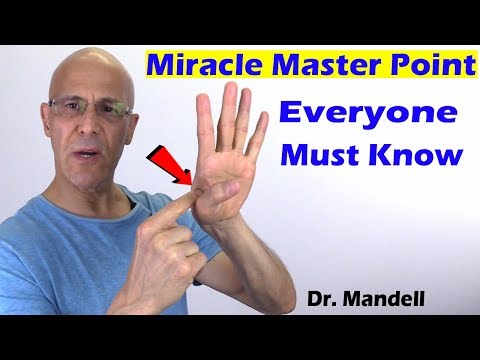
- LI4 (Hegu): Located between the thumb and index finger, this point is often used to relieve headaches and stress. Give it a squeeze next time you feel tense!
- PC6 (Neiguan): Found on your inner forearm, about two inches from your wrist crease. It may help with nausea or motion sickness. Ever felt queasy during travel? This could be worth trying.
- SP6 (Sanyinjiao): Situated just above the ankle on the inner leg, this point is useful for menstrual cramps and digestive issues. Sometimes a little relief is just a pinch away.
- B54 (Yao Yan): Located in your lower back area—it’s great for lower back pain. If you’ve been sitting too long, give it a gentle press.
The Practice of Acupressure
The beauty of acupressure is its simplicity. You don’t need fancy equipment or a lot of training to try it out—just your fingers! Start by locating a point that seems relevant to your discomfort.
You can apply steady pressure with your thumb or fingers for about 30 seconds to 1 minute. Take deep breaths while you do this; honestly, it helps you relax even more! If you feel pain at any point when pressing, ease up a bit.
A common question: how often should you do this? Well, there’s no strict rule here—just listen to your body! Some people find benefit from daily sessions while others do it occasionally as needed.
Myths Surrounding Acupressure
Certain myths exist which say acupressure is some kind of instant miracle solution—it isn’t like that folks! Results can vary widely from person to person based on individual conditions and sensitivities.
This method doesn’t replace professional medical advice or treatment but serves as a complementary approach for managing discomfort in everyday life. And remember—a healthy lifestyle plays an important role too!
A Personal Touch
If you’re curious about trying acupressure, think about incorporating it into relaxing routines like meditation or stretching exercises. It can create a peaceful moment amidst our busy lives.
Your body’s needs are unique; exploring different pressure points lets you discover what feels best for you over time. Pay attention—sometimes you’ll be surprised at how effective simple touches can be!
Unlock the Secrets of Your Body’s Touch to Ease Discomfort Naturally
Understanding Acupressure Points
Acupressure is an ancient technique that combines the principles of acupuncture but without needles. Instead, it uses your fingers to apply pressure to specific points on your body. This is believed to help with pain relief and relaxation. But how does it really work? You might be surprised.
What are Acupressure Points?
Think of acupressure points as tiny switches located along energy pathways in your body, called meridians. In traditional Chinese medicine, these pathways carry the body’s vital energy, or Qi (pronounced chee ). When you gently press these points, it’s thought to help balance this energy and relieve discomfort.
The Science Behind It
While some people swear by acupressure for managing pain, the scientific evidence is a bit mixed. Some studies show that it may increase circulation and trigger the release of endorphins—natural chemicals that can make you feel good! But remember, not all pain is the same, and results can vary greatly from person to person.
Common Acupressure Points
- LIV 3 (Tai Chong): Located on the top of your foot between the first and second toes. It’s often used for headaches and stress relief.
- P6 (Neiguan): Found on your inner forearm about three finger widths from your wrist crease. Many people find it helpful for nausea and anxiety.
- KID 1 (Yong Quan): This point is at the center of the sole of your foot. It’s thought to ground you and help with insomnia or fatigue.
- GB 20 (Feng Chi): Located at the base of your skull in a small hollow area. People use this point for tension headaches or neck pain.
The Process
Using acupressure typically involves applying firm pressure with your fingers or thumbs on these points for about 30 seconds to two minutes. It shouldn’t hurt—just feels like a gentle push! Sometimes, it helps to massage in a circular motion or use both hands.
Tuning into Your Body
A really important part of acupressure is listening to what your body tells you. If pressing a certain point feels good—go with it! If it hurts too much, ease off a bit. Like every form of comfort, what works best will differ from person to person!
Myths About Acupressure
- Mistake #1: It doesn’t really work. Well, many people report positive effects; however science still needs more research in some areas!
- Mistake #2: You have to be trained. While learning from professionals can be great, anyone can try basic techniques at home!
You Can Experiment!
If you’re curious about how acupressure might help you personally cope with discomfort naturally—go ahead and give it a try! The beauty lies in its simplicity and accessibility; just keep things relaxed.
A gentle reminder though: if you have ongoing or severe pain issues or health conditions it’s good practice touch base with someone who understands these matters professionally before jumping fully onboard.
Unlocking the Healing Potential Within Your Body
Understanding Acupressure Points for Effective Pain Relief
Acupressure is an ancient practice. It uses pressure on specific points in the body to help relieve pain and promote healing. Think of it as a mix of massage and acupuncture, but without needles. It’s based on the idea that energy flows through pathways in your body, and blockages can lead to discomfort.
So, how does it work? Well, when you press on a certain point, it can send signals to your brain that may help ease tension. It’s kind of like giving your body a gentle wake-up call. If you’ve ever had a sore neck and rubbed the area with your fingers, you know what I mean!
Key Acupressure Points
- LI4 (Hegu): Located between your thumb and index finger. This point is known for helping with headaches and stress relief.
- P6 (Neiguan): Found about three finger widths down from the wrist on the inner arm. It’s often used for nausea or anxiety.
- SP6 (Sanyinjiao): Located just above the inner ankle bone. Many people use this for menstrual pain or digestive issues.
- B10 (Tianzhu): Situated at the base of your skull in between the muscles there. Pressing this can relieve neck and shoulder tension.
If you’re thinking about trying acupressure, it’s pretty simple! You can use your fingers or even a soft object like a tennis ball against these points. Apply firm but gentle pressure—like you’re trying to squash a grape without making juice!
A common misconception is that acupressure only works immediately when you’re in pain. But honestly, many people find regular practice helps them feel better overall too! Creating a routine might make those pesky aches say goodbye more often.
The Benefits of Acupressure
This method has many fans because it promotes relaxation as well—think of it as turning down the volume on life’s noisy distractions for a bit! Not everyone reacts the same way though; some feel instant relief while others need more time or repeated sessions.
You might be curious: “Is there any science behind this?” Research suggests that acupressure can indeed help with certain types of pain management by influencing how our brain perceives discomfort. Still, more studies are needed to fully understand its effects across different conditions.
A Quick Note on Safety
If you’re pregnant or have specific health concerns like recent injuries or surgeries, check with someone who knows about these practices before diving into acupressure.
And always listen to your body—if something feels off during treatment, stop right away!
The bottom line is: exploring tools like acupressure could be part of a well-rounded approach to wellness. Just remember—what works for one person may not necessarily work for another! Keep an open mind and give yourself grace as you navigate through different options.
Acupressure is a fascinating practice rooted in Traditional Chinese Medicine. You know, the idea is simple: by applying pressure to specific points on the body, we can help relieve pain and promote overall well-being. It’s kind of like pressing a button on a remote control to make something happen.
Each acupressure point corresponds to different bodily functions or areas of pain. For example, one common point, located between the thumb and index finger, is often used for headaches or stress relief. It’s amazing how something so straightforward can have such profound effects.
The science behind acupressure is becoming clearer as research continues to develop. Studies suggest that stimulating these points may trigger the release of endorphins—those feel-good hormones that help reduce our perception of pain. This link between mind and body highlights how interconnected we really are.
Importantly, understanding acupressure isn’t just about knowing where to press; it’s about recognizing when someone may benefit from it. People often underestimate their pain or may not know how effective such non-invasive techniques can be.
I think the real value lies in empowering individuals with knowledge so they can take charge of their own health in small but meaningful ways. We’ve all experienced discomfort at some point; having tools to address it can lead to significant improvements in our day-to-day life.
This approach encourages us to look beyond conventional methods for pain relief and explore alternatives that have stood the test of time. Maybe next time you feel discomfort, you could try applying pressure at one of these acupressure points. Who knows? It might just do the trick!