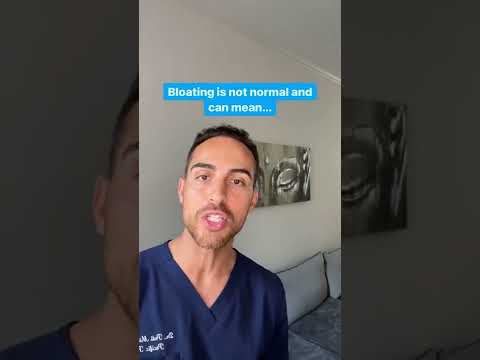
Have you ever felt like your stomach is a balloon, full and tight, making you uncomfortable? This sensation, known as bloating, is something many people experience at some point in their lives. It’s not just about feeling full after a big meal; it can be linked to various factors related to digestion.
Understanding bloating involves delving into the complexities of our digestive system. When we eat, our bodies break down food, absorbing nutrients while producing gas as a byproduct. Sometimes, this process can go awry, leading to that distended feeling in your abdomen.
Curiosity about what causes these bloating episodes can lead us to valuable insights. Common culprits include certain foods—like beans and carbonated drinks—that produce gas. Stress and rapid eating may also contribute to bloating by affecting how well we digest our meals.
However, it’s important to remember that not all bloating is innocent or temporary. Persistent or severe abdominal distension could signal an underlying issue that requires attention. Be cautious and informed!
Before jumping to conclusions about what’s causing your discomfort, seek advice from various specialists who can offer diverse perspectives on your health concerns. Resources like reputable health websites and professional consultations will help you make informed decisions about managing your digestive troubles effectively. Your body deserves careful attention and understanding!
The information provided in this article is intended solely for general informational and educational purposes. It does not constitute medical advice, diagnosis or professional treatment, and should not be considered a substitute for consultation with a qualified doctor or other licensed healthcare professional. Any health-related decisions should be made in consultation with accredited medical professionals.
While efforts have been made to ensure the information is accurate and up to date, no guarantees are given—either express or implied—regarding its accuracy, completeness, currency or suitability. Use of this information is at your own discretion.
It is strongly recommended to consult official sources such as the NHS (National Health Service) or other recognised medical institutions before acting on any information contained on this website or article. Under no circumstances should professional medical advice be ignored or delayed due to content read here.
This content is of a general and informational nature only. It is not intended to replace individualised guidance from a healthcare professional or to establish any doctor-patient relationship. The publication of this information does not imply any professional responsibility, guarantee or obligation on the part of the author or this site.
Uncover the Surprising Triggers Behind Your Discomfort
Bloating can be an uncomfortable and frustrating experience. It often feels like your stomach is tight or swollen. Understanding the **triggers** behind this discomfort can help you manage it better.
First, let’s consider what bloating actually is. It’s a feeling of fullness or swelling in your abdomen. This usually happens because of excess gas production or disturbances in how food moves through your digestive system.
Here are some common triggers:
Another surprising trigger is stress. When you’re anxious, your body produces stress hormones that can impact digestion and lead to bloating.
A food intolerance is another significant factor to consider. Conditions like gluten intolerance or irritable bowel syndrome (IBS) make it hard for some people to digest certain foods properly.
Don’t forget about hydration. Drinking enough water helps digestion but too much salt in your diet can lead to water retention, making you feel bloated.
Lastly, hormonal changes during menstrual cycles can affect digestion too. Many women report increased bloating before their period starts.
If you’re frequently experiencing discomfort from bloating, keep track of what you eat and how it makes you feel. This awareness can spotlight patterns and help identify specific triggers for you.
Remember, while it’s common to experience bloating now and then, persistent issues should prompt a conversation with a healthcare professional for further insight and tailored advice. Understanding your body is the first step towards feeling better!
Unraveling the Causes Behind That Distended Belly
Bloating can be an uncomfortable experience. It often feels like there’s a balloon in your belly. But what causes that distended feeling? Let’s explore some common reasons.
First, it’s important to know that bloating is usually linked to digestion. When food isn’t broken down properly, it can lead to excess gas. This gas builds up and causes the stomach to stretch.
Some of the key factors include:
Next, let’s look at what you can do. Tracking what you eat may help identify triggers. Keeping a food diary could reveal patterns between what you eat and when you feel bloated.
Also, consider your eating habits. Slowing down at mealtime may reduce the amount of air swallowed. Chewing food thoroughly aids digestion too.
Staying hydrated is important as well. Water helps move things along in your digestive tract, which may ease bloating.
It’s also useful to remember some common myths about bloating. Many believe that cutting out all carbs will solve the problem, but that’s not always true. Some carbs are essential for health.
Similarly, taking digestive enzymes might seem like an easy fix, but they’re not a one-size-fits-all solution for everyone experiencing bloating.
If bloating becomes persistent or is accompanied by other symptoms like severe pain or weight loss, it’s wise to seek professional advice. Trusting your body’s signals is key.
In summary, while occasional bloating is normal for many people, understanding its causes empowers better choices about diet and digestion!
Simple Strategies to Banish Bloating and Regain Comfort
Bloating is a common discomfort that many people experience. It can feel like your stomach is swollen or distended. This sensation often arises after eating, but it can also happen for other reasons.
Understanding the causes of bloating is essential. Sometimes, it’s linked to what you eat. Foods high in fiber, sugar, or certain carbs can ferment in your gut, leading to gas production.
Here are some simple strategies to help banish that bloating:
Having some ginger or peppermint tea after meals may soothe your digestive system and help reduce bloating. These herbs have been used for ages for their digestive benefits.
Pay attention to food intolerances as well. Keeping a food journal might help identify which foods trigger discomfort for you.
Another important component is hydration. Drinking enough water aids digestion and helps prevent constipation—a common cause of bloating.
Lastly, incorporating gentle movement into your day can be beneficial. A short walk after a meal may encourage digestion and relieve discomfort.
Bloating isn’t just annoying; it signals that something might be off with digestion. If these strategies don’t help after consistently trying them for a few weeks, consider reaching out to someone who can assist further.
Remember that everyone’s body is different. What works for one person may not work for another. Stay curious about how different foods affect you!
Bloating is a common yet often misunderstood health concern. People frequently describe it as feeling full, swollen, or uncomfortable in the abdomen. This sensation can range from mildly annoying to quite distressing and can significantly impact daily life.
Understanding the causes of bloating is crucial for effective management. It may stem from various sources such as diet, gut health, or even stress. Foods high in fiber, like beans and broccoli, can contribute to gas production during digestion. Also, certain intolerances—like lactose in dairy or gluten in wheat—can lead to bloating when these foods are consumed.
Moreover, lifestyle factors play a role too. Eating too quickly can trap air in the digestive tract. Chronic stress may affect gut function and contribute to discomfort as well.
To alleviate bloating, consider modifying your eating habits: chew slowly and opt for smaller meals more frequently. Keeping a food diary can help identify triggers specific to you.
Always remember that while bloating is typically harmless, persistent issues warrant further evaluation by a healthcare professional. Listening to your body and recognizing changes are key steps toward better digestive health.
In summary:
By understanding the complexities of bloating and abdominal distension, we empower ourselves to make informed decisions about our health.