The information provided in this article is intended solely for general informational and educational purposes. It does not constitute medical advice, diagnosis or professional treatment, and should not be considered a substitute for consultation with a qualified doctor or other licensed healthcare professional. Any health-related decisions should be made in consultation with accredited medical professionals.
While efforts have been made to ensure the information is accurate and up to date, no guarantees are given—either express or implied—regarding its accuracy, completeness, currency or suitability. Use of this information is at your own discretion.
It is strongly recommended to consult official sources such as the NHS (National Health Service) or other recognised medical institutions before acting on any information contained on this website or article. Under no circumstances should professional medical advice be ignored or delayed due to content read here.
This content is of a general and informational nature only. It is not intended to replace individualised guidance from a healthcare professional or to establish any doctor-patient relationship. The publication of this information does not imply any professional responsibility, guarantee or obligation on the part of the author or this site.
Have you ever felt self-conscious about those pesky spots on your chest? You’re not alone. Chest acne is more common than you might think, and it can be frustrating to deal with. It’s easy to feel like you’re the only one facing this issue, but many people struggle with it too.
The truth is, the skin on your chest can break out for various reasons, from sweat and friction to hormonal changes. Understanding these factors is key. This article lays out 8 effective strategies that may help you treat chest acne and achieve clearer skin.
What’s exciting is that some of these strategies are simple tweaks to your daily routine. Picture this: a few small adjustments that could boost your confidence! However, keep in mind that while this content offers practical advice, it doesn’t replace professional medical guidance. It’s always a good idea to consult a healthcare provider if you’re unsure or need personalized advice.
Let’s dive into the tips and see how they can make a difference for you!
Quick Tips for Clearer Skin in No Time
Understanding Chest Acne
Chest acne can be pretty frustrating. You know, it’s not just limited to the face; it can pop up anywhere. The skin on your chest is sensitive and, like your face, can get clogged. This leads to those pesky bumps and breakouts.
But why does it happen? Well, factors like sweat, hormones, and even stress play a role. Sometimes, wearing tight clothing or not showering after a workout contributes to this problem too.
Effective Strategies for Treatment
Here are some strategies that may help you manage chest acne more effectively. Keep in mind; everyone’s skin is different.
1. Keep Your Skin Clean
Cleansing regularly is important. Look for gentle cleansers that won’t strip your skin of its natural oils. A good rule of thumb is to wash your chest area daily—especially if you’re sweaty from exercise.
2. Exfoliate Wisely
Sensitive skin needs care when exfoliating. Use a mild scrub or exfoliant with salicylic acid to help remove dead skin cells without overdoing it.
3. Moisturize
You might think moisture causes more acne, but that’s a myth! Using a lightweight, non-comedogenic moisturizer keeps your skin hydrated without clogging pores.
4. Choose Your Clothes Carefully
Avoid tight-fitting clothing made of synthetic fabrics while you’re dealing with breakouts; they trap sweat and oil against the skin. Opt for breathable fabrics like cotton where you can.
5. Don’t Overdo Makeup or Products
If you wear makeup on your chest or use other products, make sure they’re labeled non-comedogenic too! You want stuff that won’t block pores.
6. Watch What You Eat
Your diet might impact your skin more than you think! Cutting down on sugary foods and dairy could be beneficial for some people when it comes to acne flare-ups.
7. Stay Hydrated
Your body needs water—it helps flush out toxins! Drinking enough water hydrates your skin from the inside out which can improve overall appearance.
8. Manage Stress Levels
You know how stress affects our bodies? It can trigger hormone imbalances leading to breakouts! Practicing relaxation techniques like yoga or meditation may help keep stress—and those pesky breakouts—at bay.
Cautionary Notes
If you’ve tried various methods without success or if things are getting worse, seek out professional advice—just in case there’s an underlying issue at play!
A Closing Thought
The journey to clearer skin often takes time and patience; try not too get discouraged if changes aren’t immediate—even small steps contribute towards improvement eventually!
Unlock the Secrets to Blemish-Free Skin on Your Chest
Understanding Chest Acne
Chest acne can be a frustrating experience. It’s not just a facial issue—many people get breakouts on their chest and shoulders too. These blemishes can result from clogged pores, excess oil, or even hormonal changes.
You know how sometimes when you’re stressed out, your skin reacts? Well, that’s pretty common with chest acne. Stress can trigger your body to produce more oil, leading to those pesky spots.
8 Strategies for Clear Skin
- Keep it Clean: Regular showering is important. Sweat and dirt can accumulate on your skin. Washing with a gentle cleanser helps remove the buildup.
- Exfoliation: Exfoliating once or twice a week helps slough off dead skin cells. Think of it like brushing away the dust from a shelf—it keeps things fresh.
- Avoid Heavy Products: Lotions and sunscreens that are too thick might clog those pores. Opt for lightweight products labeled as “non-comedogenic”.
- Dress Wisely: Tight clothing can trap sweat and bacteria against your skin. Loose, breathable fabrics allow your skin to breathe better.
- Healthy Diet: Eating plenty of fruits and vegetables makes a difference too! Foods full of vitamins help promote healthy skin.
- Hydration: Drinking enough water is key for overall health, including skin health. It keeps your body running smoothly.
- Avoid Touching Your Skin: This might sound simple, but touching or picking at blemishes can make them worse—like adding fuel to fire!
- Sunscreen Protection: Protecting your skin from the sun is importent. Use sunscreen regularly to prevent darkening of spots and further irritation.
Mental Aspect
Coping with acne isn’t just about treatments; it’s also mental. It’s easy to feel self-conscious about blemishes on the chest area, especially in summer when people wear less clothing.
If you find yourself feeling down because of it, try practicing self-care routines that make you feel good about yourself outside skincare methods; remember that everyone has their own struggles!
Misinformation About Treatments
You might hear all sorts of myths regarding treating chest acne—from using toothpaste as a spot treatment to applying lemon juice directly onto the skin. These could lead to irritation rather than helping.
The best approach usually includes patience and consistency over time rather than expecting overnight miracles!
Your Journey Towards Clear Skin
Your path toward clearer chest skin may require some trial-and-error with different methods until you find what works best for you! Keep notes on what products work—or don’t work—for future reference.
This journey isn’t about perfection either; it’s about finding comfort in how we take care of ourselves both inside and out.
Discover Delicious Choices for Clearer Skin
Understanding Chest Acne
Chest acne can be frustrating. It’s similar to facial acne, but it appears on the chest area. Often, it’s caused by clogged pores, excess oil, or bacteria. You know how your skin reacts to stress or a poor diet? Well, that’s very much the same for your chest.
How Diet Affects Skin Health
The foods you eat can influence your skin. Think of it like this: if you fuel your body with junk food, it responds poorly. On the other hand, a balanced diet rich in nutrients can support skin health.
- Fruits and Vegetables: Full of vitamins and antioxidants that help combat free radicals.
- Omega-3 Fatty Acids: Found in fish and flaxseeds; they keep skin moisturized.
- Avoiding Sugary Foods: High sugar intake can lead to inflammation and worsen acne.
The Role of Hydration
Staying hydrated is crucial. Water helps maintain skin’s elasticity and flushes out toxins. Sometimes we forget how important this simple step is in supporting overall health.
Implementing Skincare Strategies
A solid skincare routine plays a big role too. Gently cleansing your chest using products that suit your skin type can minimize breakouts. Look for non-comedogenic products; they’re designed not to clog pores.
Exfoliation Matters
This might sound fancy, but exfoliating just means removing dead skin cells. Doing this helps prevent clogged pores on your chest area as well.
Lifestyle Changes for Better Skin
- Sweat It Out: Regular exercise boosts circulation and promotes clearer skin.
- Dress Smartly: Loose clothing made from breathable fabrics reduces friction and sweat buildup.
Minding Stress Levels
You know how stress can make you break out? Managing stress through yoga or meditation can be key to achieving better looking skin on your chest as well as elsewhere.
If Things Don’t Improve…
If after trying all these things there’s still no change? It might be best to speak with a healthcare provider who understands skin issues better than most people do. Everyone’s body is unique—what works for one person might not work for another.
The bottom line is: clear skin takes time, patience, and some trial-and-error along the way! Choosing fresh foods over processed ones while keeping an eye on those lifestyle factors could make a difference in how you feel in the long run—both inside and out!
Chest acne, like any other type of acne, can be frustrating. You know, it often occurs due to a combination of factors like excess oil, bacteria, and hormones. It’s not just about facial acne; many people struggle with breakouts on their chests.
When reading about effective strategies for treating chest acne, I noticed a few common recommendations that really resonate. First off, keeping the skin clean is crucial. Regularly washing the area helps remove dirt and sweat that can clog pores.
Another strategy involves using non-comedogenic products. What does that mean? Simply put, these are products designed not to block pores. This is key to preventing new pimples from forming.
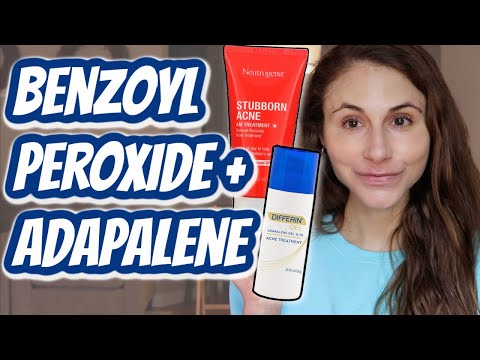
A topical retinoid can be effective as well. Retinoids help by encouraging cell turnover—basically speeding up how quickly your skin sheds dead cells and grows new ones.
Exfoliating regularly is also important. Gentle exfoliation removes dead skin cells but be careful not to overdo it; too much scrubbing can irritate the skin.
Sometimes lifestyle choices play a major role too. Wearing looser clothing made of breathable fabrics can minimize friction and irritation. For those who workout often, showering right after exercise is recommended to keep sweat from settling on the chest area.
Diet might seem less obvious but it matters too! Eating a balanced diet with plenty of fruits and vegetables supports overall skin health.
If over-the-counter solutions aren’t doing the trick, seeing a dermatologist could be beneficial for personalized treatments or prescriptions.
This topic highlights an important aspect—acne isn’t just about hygiene or cleanliness; it’s a complex issue involving various factors. Addressing chest acne requires a holistic approach that considers skincare routines along with lifestyle changes.