The information provided in this article is intended solely for general informational and educational purposes. It does not constitute medical advice, diagnosis or professional treatment, and should not be considered a substitute for consultation with a qualified doctor or other licensed healthcare professional. Any health-related decisions should be made in consultation with accredited medical professionals.
While efforts have been made to ensure the information is accurate and up to date, no guarantees are given—either express or implied—regarding its accuracy, completeness, currency or suitability. Use of this information is at your own discretion.
It is strongly recommended to consult official sources such as the NHS (National Health Service) or other recognised medical institutions before acting on any information contained on this website or article. Under no circumstances should professional medical advice be ignored or delayed due to content read here.
This content is of a general and informational nature only. It is not intended to replace individualised guidance from a healthcare professional or to establish any doctor-patient relationship. The publication of this information does not imply any professional responsibility, guarantee or obligation on the part of the author or this site.
Have you ever woken up with a painful lump on your skin, wondering what it could be? Boils can be frustrating, and honestly, they’re more common than you might think. These swollen, pus-filled bumps can appear out of nowhere and cause discomfort. But there’s good news!
This article dives into effective ways to treat and prevent boils, helping you achieve better skin health. Whether it’s understanding what causes them or learning how to care for your skin, we’ve got you covered. You’ll find practical advice that can make a real difference.
It’s essential to remember that while we’ll share helpful tips here, this content isn’t a substitute for professional medical advice. Making health decisions solely based on reading isn’t wise; always consult a healthcare professional when you’re unsure about your skin or overall health.
Let’s get started on the journey toward clearer skin together!
Discover Simple Skin Care Tips to Keep Boils at Bay
Understanding Boils
Boils are painful lumps that can pop up on your skin. They’re usually filled with pus, and honestly, they can be quite uncomfortable. A boil forms when bacteria infect a hair follicle or an oil gland. The thing is, it often starts as a small red bump before swelling and getting tender.
Why Do You Get Boils?
Some people are more prone to boils than others. For example, if you have a weakened immune system or conditions like diabetes, you might notice them appearing more often. Other factors include poor hygiene, friction on the skin from clothing, and even stress.
Simple Skin Care Tips
- Keep Your Skin Clean: Regularly washing your skin with soap and water helps remove dirt and bacteria.
- Avoid Close Shaving: If you’re prone to boils around facial areas or other regions, try using an electric razor instead of a blade.
- Moisturize: Keeping your skin hydrated helps maintain its barrier functions. Dry skin can crack, allowing bacteria to enter.
- Avoid Tight Clothing: Loose-fitting clothes can help minimize friction and irritation on your skin.
Nourish From Within
Your diet plays a role too! Eating foods rich in vitamins such as A, C, and E supports overall skin health. Think about incorporating more fruits and vegetables into your meals for better nutrition.
The Importance of Hygiene
This might sound obvious but washing hands frequently is crucial. If you touch a boil or an area prone to one—wash up! It prevents spreading bacteria to other parts of your body or even to someone else.
If You Do Get One…
If you find yourself with a boil, don’t squeeze it! This can push the infection deeper into the skin layers—and trust me—you don’t want that pain. Instead, gently apply a warm compress several times a day; this promotes drainage naturally without causing additional harm.
Persistent Boils
If boils keep coming back even after trying preventive measures it’s best to discuss this with someone who would know more about it—like your healthcare provider. They might suggest treatments tailored specifically for you or investigate if there’s an underlying issue at play.
Myths About Boils
- Bacteria Only Causes Boils: While bacteria plays a big part in formation; factors such as genetics or hygiene also contribute!
- You Can Pop Them Like Zits: It’s super tempting but avoid doing that at all costs; it could lead to worse infections!
Your skin is like the protective barrier of your body—it deserves attention! By following these simple tips you could help keep boils at bay while also promoting overall better skin health as well. Remember though—to acknowledge any worrying signs with proper consultation when needed is key!
Discover effective remedies and treatments to alleviate pain and promote healing.
Pain and Healing: Understanding Boils
Boils can be quite annoying, right? They’re those painful lumps that form under the skin when hair follicles get infected. Yikes! It’s important to know that they usually result from bacteria called Staphylococcus aureus, which can live on your skin without causing issues—until it does.
Symptoms of Boils
You might notice a red, swollen bump that’s tender to the touch. Sometimes, it can fill with pus. If you’ve got one, you might feel some heat around it too. Honestly, it’s not just irritating but also sometimes a bit alarming.
Home Remedies for Relief
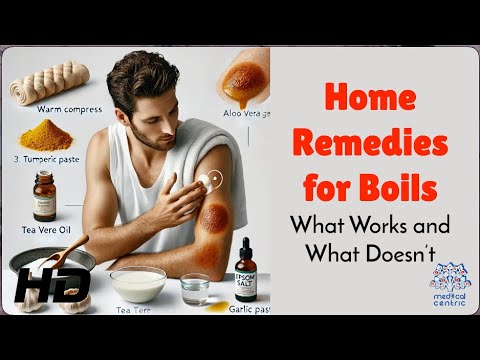
- Warm Compress: Applying a warm cloth to the boil can help reduce pain and bring the pus to the surface.
- Tea Tree Oil: Some people swear by this natural oil for its antibacterial properties. Just dilute it first with a carrier oil before applying.
- Epsom Salt Baths: Soaking in these baths may help draw out infection and relieve discomfort.
- Aspirin or Ibuprofen: Over-the-counter pain relievers could help manage any discomfort you’re feeling from the boil.
Preventing Future Boils
You know what they say: prevention is better than cure! Keeping your skin clean and moisturized can make a big difference. Try not to squeeze or pick at boils too; that can spread bacteria and make things worse.
When to Seek Help
If boils keep coming back or if one gets really large, it’s probably time to reach out for professional advice. Be aware of symptoms like fever or excessive pain—that’s your body telling you something’s not right!
The Takeaway on Treating Boils
Painful as they are, boils usually heal on their own in a week or two. Using home remedies might provide relief, but don’t ignore persistent issues. Listen to your body—it’s often trying to say something important!
Unlock lasting relief from stubborn skin struggles
Understanding Boils: What Are They?
Hey, let’s talk about boils. They’re basically painful bumps that form under your skin. Imagine a little pimple filled with pus. Not very fun, right? They often appear on areas like the face, neck, armpits, or thighs.
Boils are usually caused by bacteria, particularly Staphylococcus aureus. When the bacteria invade hair follicles or skin breaks, it can result in infection leading to that bump. Sometimes they just happen for no clear reason at all.
Common Causes of Boils
- Poor hygiene: When you don’t wash regularly, dirt and germs can build up.
- Skin conditions: Conditions like eczema may make your skin more vulnerable to infections.
- Weakened immune system: If you’re feeling run down or sick often, your body might struggle to fight off infections.
- Certain medications: Some drugs can weaken your immune defenses as well.
Treating Boils at Home
Sometimes you can manage boils at home with a few simple things. Warm compresses work wonders. Just take a clean cloth soaked in warm water and press it against the boil for 10-15 minutes a few times a day.
This helps increase blood flow to the area and promotes drainage—it’s kind of like giving your body a little nudge to do its thing! Just remember not to squeeze or pop it; that could make things worse.
When Should You Seek Help?
If you notice that the boil is getting bigger or turning redder and more painful over time, that’s when you want to get professional advice. Also look out for fever or if new boils keep popping up because those might signal something more serious happening in your body!
How Can You Prevent Future Boils?
- Practice good hygiene—wash your hands often and keep wounds clean!
- Avoid sharing personal items like towels or razors which can spread bacteria.
- If you’re prone to boils, consider wearing loose-fitting clothes so there’s less friction on your skin.
The Role of Diet and Lifestyle
Your overall health plays a role too! Eating a balanced diet rich in vitamins helps support immune function which helps fight off infections before they start. Think fruits, veggies, whole grains—the good stuff!
Myths Around Boils
A common myth is that boils stem from bad blood or dirtiness alone. Truth is there are multiple factors at play here—like genetics and even hormonal changes! So it’s not just about cleanliness alone; it’s much more complex than that!
A Final Note on Skin Health
Skin struggles can be so frustrating but remember you’re not alone in this! Many people deal with similar issues at one point or another. Taking proactive steps—including keeping an eye on those pesky boils—can really help improve your overall skin health over time!
Boils are painful, swollen lumps that can show up on the skin. They’re caused by bacterial infections, usually from a type called Staphylococcus aureus. Honestly, it can be frustrating to deal with them, but understanding how to treat and prevent boils makes a difference.
Treatment often starts at home. Applying a warm compress can help soothe the area and promote drainage. Imagine a warm towel applied gently—this increases blood flow and helps speed up healing. Sometimes, over-the-counter pain relievers like ibuprofen can ease discomfort.
If a boil doesn’t improve or keeps coming back, it’s wise to consult with a healthcare professional. They might drain it or prescribe antibiotics to tackle the infection more effectively. Avoid squeezing it yourself; this can worsen things or spread the bacteria.
Prevention is key when it comes to boils. Keeping skin clean and dry is crucial. Regularly washing hands and using antibacterial soap helps limit bacteria buildup. If you’re prone to getting boils, consider wearing loose clothing because tight clothes can trap moisture against your skin.
Diet also plays a role in skin health; eating plenty of fruits and vegetables supports your immune system. Look for vitamin-rich foods like leafy greens and citrus fruits—they do wonders for overall health!
In essence, boils might be annoying, but they aren’t unbeatable! By treating early and practicing good hygiene along with healthy living habits, you can minimize their occurrence.