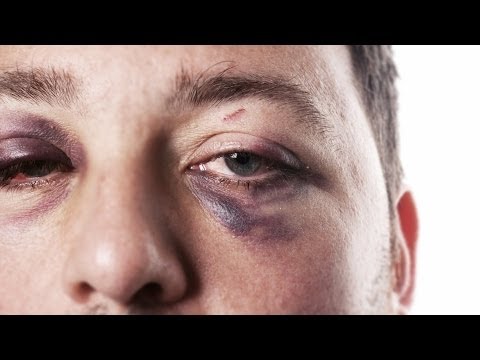
A black eye, often a result of minor trauma or injury to the face, is more than just a cosmetic concern. It can cause pain, swelling, and bruising that may leave you feeling self-conscious. Whether it’s from sports, an accident, or a playful child’s elbow, understanding how to care for a black eye at home can make all the difference in your recovery.
At first glance, treating a black eye might seem straightforward. However, there are effective methods that can speed healing and ease discomfort. From applying cold compresses to elevating the head while resting, these simple techniques can alleviate symptoms and reduce swelling. It’s like giving your body a helping hand while it does its job in healing.
However, it’s vital to approach this topic with care. Always remember that not all injuries are created equal. If you experience severe pain or vision changes alongside your black eye, it’s crucial to seek professional advice promptly. There may be underlying issues that require specialized attention.
In the end, knowledge is power. As you explore ways to treat a black eye at home effectively, take time to consult various trusted sources—whether they be healthcare professionals or reputable health websites—to ensure you’re making informed choices for your wellbeing.
The information provided in this article is intended solely for general informational and educational purposes. It does not constitute medical advice, diagnosis or professional treatment, and should not be considered a substitute for consultation with a qualified doctor or other licensed healthcare professional. Any health-related decisions should be made in consultation with accredited medical professionals.
While efforts have been made to ensure the information is accurate and up to date, no guarantees are given—either express or implied—regarding its accuracy, completeness, currency or suitability. Use of this information is at your own discretion.
It is strongly recommended to consult official sources such as the NHS (National Health Service) or other recognised medical institutions before acting on any information contained on this website or article. Under no circumstances should professional medical advice be ignored or delayed due to content read here.
This content is of a general and informational nature only. It is not intended to replace individualised guidance from a healthcare professional or to establish any doctor-patient relationship. The publication of this information does not imply any professional responsibility, guarantee or obligation on the part of the author or this site.
Discover the surprising remedy that could reduce swelling and bruising fast
Swelling and bruising are common after injuries, like a black eye. While there’s no magic solution, some remedies can help reduce these symptoms.
One surprising option is **cold therapy**. Applying a cold pack to the area for 15-20 minutes can constrict blood vessels. This helps control swelling right after the injury occurs.
Another remedy is **arnica gel or cream**. This herbal product is often used for bumps and bruises. Some people find it soothing and feel it helps with recovery.
You might also consider keeping your head elevated. When you lie down flat, blood flow increases to your eyes, which can worsen swelling. Propping your head up can help manage this effect.
Using gentle compression on the swollen area may also be beneficial. Just make sure not to apply it too tightly, as you want good circulation.
Don’t overlook nutrition! Foods high in vitamin C, like oranges and bell peppers, support skin health and recovery from injuries.
It’s important to listen to your body too. If pain or swelling worsens over time, seek further advice from a healthcare provider.
Remember that everyone’s healing process varies, so what works for one person may not work for another. Always approach any treatment thoughtfully and cautiously.
Understanding the Healing Journey of a Black Eye
A black eye, also known as periorbital hematoma, is a common injury. It typically occurs when blood collects in the space around the eye. This can happen due to trauma, like a punch or a fall. Understanding the healing journey of a black eye can help in managing it effectively.
When you first get a black eye, it might look very alarming. The skin around your eye may become swollen and discolored. Initially, it might be dark red or purple before turning yellow or green as it heals. This process is similar to watching paint dry; it takes time and patience.
First Aid Steps
If you’ve sustained a black eye, there are some immediate steps that can aid in recovery:
Winning the healing battle takes time. Typically, a black eye will begin to heal within a few days but may take two weeks or more for full recovery. Everyone’s body heals at its own pace.
Home Care Tips
In addition to first aid steps, here are some home care methods that can support comfort:
Sometimes myths float around regarding black eyes. A common one is that you should apply heat immediately after injury. It’s actually better to cool the area first and only use warmth after swelling has gone down.
Remember, while most black eyes heal without complications, pay attention to warning signs such as increased pain or vision changes. These could signal more serious injuries.
In conclusion, while dealing with a black eye may not feel great at first, understanding its healing journey can empower you during recovery. Remember that if you’re ever uncertain about how severe an injury is, seeking advice from professionals who know your health history is always wise.
Navigating Your Workout Routine After a Bump in the Night
A bump in the night can lead to unexpected injuries, like a black eye. It’s common to feel uncertain about how to manage your routine after such an event.
First, let’s touch on what a black eye is. It’s usually the result of trauma that causes bleeding under the skin around the eye. While it might look concerning, most of the time it heals on its own.
After an injury, you might wonder how to navigate your workouts. Here are some tips to consider:
Caring for a black eye at home can also help speed up recovery. Applying a cold compress soon after the injury can reduce swelling and alleviate discomfort.
You might also consider over-the-counter pain relief if necessary. However, always follow recommended dosages and guidelines.
As you get back into your routine, remember patience is key. Healing takes time; rushing could lead to more complications down the road.
Lastly, keep an eye out for any changes beyond bruising—like vision issues—these may require professional advice.
In summary, while a bump in the night can throw things off balance temporarily, with care and mindfulness towards your body’s signals, you’ll be able to navigate this phase effectively.
A black eye, known medically as a periorbital hematoma, occurs when blood collects around the eye due to trauma. While it often appears alarming, most cases can be managed effectively at home, promoting healing and comfort.
First and foremost, addressing swelling is key. Applying a cold compress for 15–20 minutes can reduce inflammation and numb the area. This is similar to icing an injury post-exercise to minimize pain and swelling. Remember not to place ice directly on the skin; wrap it in a cloth to prevent frostbite.
Resting the affected area is also essential. Just as we need rest after physical exertion, allowing your body time to heal helps speed recovery. Avoid strenuous activities that could worsen the injury.
Pain relief can be managed with over-the-counter medications such as acetaminophen or ibuprofen. These can alleviate discomfort but should be used judiciously and according to package instructions.
If you notice increased redness, persistent pain, or visual disturbances, it’s important to seek medical advice. These could be signs of more serious injuries.
Avoid certain remedies. While some might suggest using heat after a few days, it’s wise to stick with cold initially as heat can aggravate swelling during the first couple of days.
In summary, treating a black eye at home involves simple steps: ice application, rest, pain management with appropriate medications, and vigilant monitoring for complications. By following these methods and listening to your body’s signals, you can promote healing effectively while minimizing unnecessary worry.