The information provided in this article is intended solely for general informational and educational purposes. It does not constitute medical advice, diagnosis or professional treatment, and should not be considered a substitute for consultation with a qualified doctor or other licensed healthcare professional. Any health-related decisions should be made in consultation with accredited medical professionals.
While efforts have been made to ensure the information is accurate and up to date, no guarantees are given—either express or implied—regarding its accuracy, completeness, currency or suitability. Use of this information is at your own discretion.
It is strongly recommended to consult official sources such as the NHS (National Health Service) or other recognised medical institutions before acting on any information contained on this website or article. Under no circumstances should professional medical advice be ignored or delayed due to content read here.
This content is of a general and informational nature only. It is not intended to replace individualised guidance from a healthcare professional or to establish any doctor-patient relationship. The publication of this information does not imply any professional responsibility, guarantee or obligation on the part of the author or this site.
Ever noticed how some days your hair just feels flat and lifeless? You’re not alone! Many people struggle with finding the right balance in their hair care routine. It’s like that never-ending quest for the perfect pizza topping. There’s always something else to try!
Co-washing, short for conditioner washing, might be your answer. This technique involves using conditioner instead of shampoo to cleanse your hair. Sounds simple, right? But it might just be the game-changer your locks need.
In this article, we’ll explore the benefits of co-washing and help you discover some of the best products available. You’ll learn why it matters to keep your hair healthy and vibrant without stripping it of moisture.
Remember, though—this isn’t a substitute for professional advice. If you have specific concerns or underlying conditions, always chat with a healthcare provider first. Your health decisions should rely on evidence and personalized consultation.
So, let’s dive into how co-washing can transform your hair care routine.
The Surprising Truth Behind My Hair Care Journey
The Truth About Co-Washing for Healthier Hair
Hey there! If you’ve been exploring ways to care for your hair, you might have come across co-washing. It’s short for “conditioner washing.” So what is it, and why should you care? Let’s break it down.
What is Co-Washing?
Co-washing means using a conditioner instead of shampoo to clean your hair. Traditional shampoos often strip your hair of its natural oils. This can leave your hair dry or frizzy. But co-washing relies on conditioners to cleanse while keeping those oils intact.
Benefits of Co-Washing
- Moisture Retention: Because conditioners are generally hydrating, co-washing can help maintain moisture levels in your hair.
- Less Damage: Since you’re not using harsh cleansing agents found in many shampoos, there’s less risk of damaging your strands.
- Smoother Hair: Many people find their hair feels softer and looks shinier after switching to this method.
A Cautionary Note
No method works for everyone. Some people might feel that co-washing doesn’t clean their scalp enough. If you have a lot of product build-up, occasional gentle shampooing could be necessary. It’s all about finding what fits your hair type and lifestyle.
Selecting the Right Products
If you’re considering co-washing, you’ll want a good conditioner that doubles as a cleanser. Look for products labeled as ‘co-wash’ or ‘cleansing conditioner.’ These tend to have mild cleansers that won’t strip away moisture.
A few popular options include brands like DevaCurl and Ouidad, which focus on curls. But there are plenty of other ones out there too, so check the ingredients list! Aim for sulfate-free formulas; they’re gentler on the hair.
Your Hair Type Matters
This is important: understanding your hair type can really help decide if co-washing is right for you. Curly or wavy hair types often benefit more from this method than straight strands do. All hairs are different—what works wonders for one might not do much for another!
The Importance of Experimentation
You know? Sometimes it just takes a bit of trial and error to figure out what’s best for you! Maybe try co-washing once a week at first and see how your locks feel before going full-time with it.
A Balanced Approach Works Best
If all’s well with co-washing but you’re still concerned about cleanliness—mixing methods might be key! A hybrid approach can keep both moisture and scalp health in check without relying solely on either strategy.
This journey in finding the best way to take care of our hair is personal—so be patient with yourself as you navigate through options! Your healthy locks are worth it!
Discover the Secret to Effortless, Healthy Hair Care
Understanding Co-Washing
Co-washing, or conditioner washing, is when you use a conditioner instead of shampoo to clean your hair. This method is especially popular among people with curly or textured hair because it helps retain moisture.
Shampoo often strips natural oils from your scalp and hair. You know, those oils are actually good for your hair! Co-washing can help keep those oils intact, leading to softer and healthier locks.
The Benefits of Co-Washing
- Mild cleansing: Conditioners can remove dirt without harsh chemicals.
- Moisture retention: Helps keep your hair hydrated, reducing frizz and breakage.
- Simpler routine: Cuts down on styling time since it’s often faster than the whole shampoo-conditioner process.
- Less damage: Gentle approach means less wear and tear on strands over time.
Is Co-Washing for Everyone?
Nope! It might not be the best fit for people with very fine or oily hair. These folks might find that conditioner alone leaves their hair feeling greasy. It’s like trying to clean a dirty kitchen with just water—you need something stronger sometimes!
Selecting the Right Products
If you’re thinking about co-washing, choosing the right conditioner is key. Not all conditioners are made equal. Some contain silicones or heavy ingredients that can build up on your scalp over time.
- Avoid silicones: Look for “silicone-free” products if you want a fresh start!
- Mild formulas: Opt for conditioners labeled as “cleansing” or “co-wash.”
- Nourishing ingredients: Seek out natural oils like jojoba or argan—they’re super moisturizing!
A Few Product Recommendations
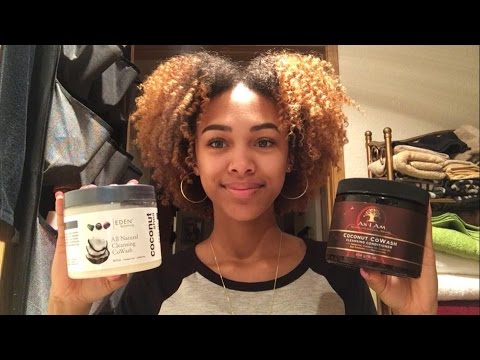
You don’t have to break the bank here! Many brands offer solid options. Some popular co-wash products include Ouidad’s Curl Immersion Cleansing Conditioner and As I Am Coconut CoWash. They’re often well-reviewed by users who rave about their results.
A Simple Routine
You might wonder how to fit co-washing into your life? Honestly, it can be pretty straightforward! Start by wetting your hair thoroughly, then apply a generous amount of conditioner from scalp to ends.
- Knead it in: Massage gently into the scalp—think of it like giving yourself a mini head massage!
- Rinse well:Edit carefully so no product remains; otherwise, buildup could happen over time.
- Add leave-in if needed:Your routine can also include some leave-in treatment if extra moisture is necessary.
Pitfalls of Co-Washing
No method is perfect, right? One common issue with co-washing is product buildup. It’s important to occasionally use a sulfate shampoo (sulfates are detergents in many shampoos) to cleanse deeply every now and then, kinda like spring cleaning but for your scalp!
The Bottom Line
If you decide to give co-washing a try, remember everyone’s hair reacts differently—what works wonders for one person may not do anything special for another. Pay attention to how your own hair feels after trying this method!
Curlies usually have fun experimenting anyway—it’s part of what makes healthy hair care exciting!
Unlock the Secret to Silky, Nourished Hair with a Simple Conditioning Routine
Understanding Co-Washing
Co-washing, or conditioner washing, is when you wash your hair using only conditioner instead of shampoo. Sounds weird, right? But this method can help keep hair soft and moisturized. The conditioner replaces what shampoo usually does—removing dirt and oil.
The Benefits of Co-Washing
So, what are the benefits? First off, co-washing can be gentler on your hair. Traditional shampoos often strip away natural oils which can lead to dryness. Using just a conditioner keeps those oils intact.
This approach works great for curly or textured hair types. These hair types tend to be drier and need extra moisture. Also, co-washing helps reduce frizz, making your locks look nice and smooth.
Finding the Right Products
Now that you’re intrigued by co-washing, let’s talk products. Not all conditioners are made equal for this purpose! When choosing a product, look for one that’s sulfate-free. Sulfates are harsh detergents commonly found in shampoos—they might not be great for a co-wash.
- Some popular options include creamy or thick conditioners.
- Avoid products with heavy silicones; they can build up over time.
- Herbal or natural formulas are often good choices too.
A Simple Routine
You don’t need an elaborate routine to start co-washing! Start by wetting your hair thoroughly in the shower. Then apply a good amount of conditioner from scalp to tips—think creamy peanut butter consistency!
Massage it in gently; this helps remove product buildup without harsh scrubbing. After a few minutes, rinse well with warm water—this part is super important! Make sure all the product is out so it doesn’t weigh down your hair.
The Frequency Factor
You might wonder how often you should co-wash. It really depends on your hair type and lifestyle! Some people do it every day, while others might do it once a week. If you exercise regularly or use styling products daily, more frequent co-washes could work well for you.
Pitfalls to Avoid
Caution is key here too! Overdoing it with conditioners can sometimes lead to buildup on the scalp—it’s like having too much of a good thing!
If your scalp starts feeling itchy or greasy after switching to co-washing, consider mixing in traditional shampoo occasionally just to balance things out.
Final Thoughts on Co-Washing
The journey towards healthier hair can take some trial and error. Everybody’s different; what works wonders for one person may not be ideal for another. Listen to your own hair—it’ll let you know what it likes!
The concept of co-washing, or conditioner washing, has gained popularity as a method for maintaining healthier hair. Essentially, it involves using a conditioner instead of shampoo to cleanse the hair and scalp. The benefits can be quite significant, especially for those with dry or curly hair types.
One of the primary advantages of co-washing is moisture retention. Traditional shampoos often strip natural oils from the hair. In contrast, conditioners help retain hydration, making hair softer and more manageable. It’s almost like choosing to drink water instead of soda—you’re opting for a gentler approach that replenishes rather than depletes.
Another noteworthy benefit is reduced frizz. Many individuals with textured or curly hair find that co-washing minimizes frizz and enhances curl definition. It’s not uncommon to hear someone say that their curls come alive after a good co-wash—like watering a plant versus just giving it sunlight.
When it comes to selecting the right products for co-washing, always look for silicone-free conditioners. Silicones can build up on the hair over time and lead to dullness and heaviness. Brands like DevaCurl and As I Am offer excellent options tailored specifically for co-washing.
It’s also important to listen to your own hair’s needs; everyone has different textures and conditions that may require adjustments in routine. Sometimes you might need a clarifying shampoo every few weeks if you notice build-up occurring.
In conclusion, while co-washing can be incredibly beneficial, it may not be suitable for everyone. Always take note of how your hair reacts and adjust accordingly; healthy hair is all about finding what works best for you!