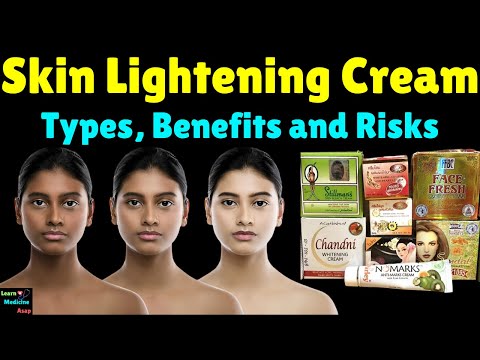
The information provided in this article is intended solely for general informational and educational purposes. It does not constitute medical advice, diagnosis or professional treatment, and should not be considered a substitute for consultation with a qualified doctor or other licensed healthcare professional. Any health-related decisions should be made in consultation with accredited medical professionals.
While efforts have been made to ensure the information is accurate and up to date, no guarantees are given—either express or implied—regarding its accuracy, completeness, currency or suitability. Use of this information is at your own discretion.
It is strongly recommended to consult official sources such as the NHS (National Health Service) or other recognised medical institutions before acting on any information contained on this website or article. Under no circumstances should professional medical advice be ignored or delayed due to content read here.
This content is of a general and informational nature only. It is not intended to replace individualised guidance from a healthcare professional or to establish any doctor-patient relationship. The publication of this information does not imply any professional responsibility, guarantee or obligation on the part of the author or this site.
Ever wondered why some people seek out skin lightening products? It’s a topic that carries a lot of weight. For many, it’s an attempt to fit into certain beauty standards or deal with hyperpigmentation. But do you really know what these products entail?
Skin lightening has been part of various cultures for centuries. In some places, lighter skin is seen as more desirable. However, there are significant risks associated with using these products—some of which can be harmful.
This article is here to unpack the risks and benefits of skin lightening products in a simple way. We’ll explore the ingredients commonly used, how they work, and what potential side effects you might not know about.
It’s important to engage in this conversation because your skin health matters. The choices we make can have lasting effects, and understanding them is key.
Please remember that this content doesn’t replace medical advice. It’s always best to consult a healthcare professional before making decisions about any treatment or product related to your health.
Achieve a Radiant Complexion Naturally and Safely
Understanding Skin Lightening Products: Risks and Benefits
Many people seek a radiant complexion, and skin lightening products often come into play. But what does that really mean? Let’s break it down.
Skin lightening, or brightening, involves using products to reduce dark spots or even out skin tone. Some folks think these products can give them a healthier look. However, there are several factors to consider before diving in.
The Ingredients
Common ingredients in skin lightening products include hydroquinone, kojic acid, and vitamin C. Hydroquinone is well-known but can have side effects if used long-term. It might lighten your skin initially but can also cause irritation or even dark spots over time.
Kojic acid is derived from fungi and tends to be milder but can still cause reactions in some people. And then there’s vitamin C—it’s popular for brightening and is generally considered safe. Just keep in mind that everyone’s skin reacts differently.
Risks to Think About
- Irritation: Many lightening agents can cause redness or peeling.
- Allergic Reactions: Some individuals might experience allergic reactions which could lead to swelling or severe itching.
- Skin Sensitivity: These products may make your skin more sensitive to sunlight, increasing the risk of sunburn.
- Lack of Regulation: Not all products are regulated by health agencies, so quality varies widely between brands.
The Benefits
- Evens Skin Tone: People often see a reduction in unevenness when using certain lighteners as part of a routine.
- Diminishes Spots: Some users report fading dark spots due to sun damage or acne.
- Aesthetic Appeal: Feeling good about your appearance impacts confidence levels positively!
A lot of the time, natural alternatives exist too! Ingredients like licorice extract, mulberry extract, or even yogurt can be gentle on the skin while promoting a healthy glow without harsh chemicals.
The Bottom Line
You’ve got options when chasing after that radiant complexion. While some products show promise for evening out tone and breaking up dark spots, they come with their own set of concerns too. Take the time to research and consider what’s best for your skin type!
If you decide on any product—natural or otherwise—pay attention to how your skin reacts. Everyone’s different; what works for one person might not work for another!
Unveiling the Surprising Changes to Your Skin and Confidence
Understanding Skin Lightening Products
Skin lightening products are often used to address hyperpigmentation, dark spots, or uneven skin tone. But let’s dive a little deeper into what these products are and the impact they might have on your skin—and confidence.
What Are Skin Lightening Products?
These products typically contain ingredients aimed at reducing melanin production. Melanin is the pigment responsible for your skin color. Common substances include hydroquinone, kojic acid, and arbutin. Think of them like tools that some people use to alter their skin’s appearance.
Benefits You Might Expect
- Reduction of Dark Spots: Many find that lightening creams can help fade dark spots caused by sun exposure or aging.
- Even Skin Tone: They may contribute to a more uniform complexion, which can enhance self-esteem for some.
- Cultural Influence: In some cultures, lighter skin is associated with beauty or social status, prompting individuals to seek these products out.
The Risks Involved
You know, it’s not all sunshine and rainbows. Some ingredients in lightening products can cause side effects like irritation, redness, or even allergic reactions. Hydroquinone has been banned in some places due to potential health risks. So really… you want to be careful about what you’re putting on your skin.
Critical Thinking Is Key
If you’re considering using a lightening product, it’s important to do your research. Not everything marketed as “skin brightening” is necessarily good for you. Products may promise quick fixes but could potentially damage your skin long-term.
The Psychological Impact
Your confidence may get a boost if you perceive improvements in your skin’s appearance—but remember that beauty standards vary widely around the globe! Focusing solely on external appearance might lead to dissatisfaction down the road.
A Balanced Approach
Instead of jumping straight into using these products, consider consulting with someone knowledgeable about skincare—like an aesthetician or dermatologist (that’s just fancy talk for a skincare professional). They can guide you based on your unique needs and concerns.
Your Skin Is Unique!
No two people have the exact same skin type or needs; what works for one person might not work for another at all. It’s essential to listen to your own body and figure out what feels right for you. No rush!
If you’re feeling uncertain or overwhelmed by the variety of options available today—take a step back and reflect on what really matters: healthy skin over an ideal image influenced by trends.
Brighten Your Glow with Gentle Care
Understanding Skin Lightening Products: Risks and Benefits
There’s a lot of buzz around skin lightening products these days. People often look for ways to achieve a brighter, more even skin tone. But what exactly are these products, and should you be cautious when using them?
What Are Skin Lightening Products?
Skin lightening products are lotions, creams, or treatments aimed at reducing pigmentation. This means they often help lighten dark spots, melasma, or acne scars. They usually contain active ingredients like hydroquinone or kojic acid.
The Appeal of Brighter Skin
Many people want that radiant glow. Society often promotes the idea that lighter skin is more attractive or youthful. However, this belief varies across cultures and may lead some to feel pressured into using these products.
The Benefits
- Spot Reduction: Some products can reduce hyperpigmentation.
- Evens Skin Tone: They may help create a more uniform appearance.
- Boost Confidence: A visibly improved complexion can boost self-esteem for some individuals.
The Risks Involved
While the potential benefits sound good, there are risks to consider too. Many skin lighteners can cause side effects like irritation, rashes, and even long-term issues if misused.
- Hydroquinone Concerns: This ingredient is effective but has raised concerns over safety in some countries due to links with skin thinning and other issues.
- Corticosteroids: These might be hiding in some over-the-counter lighteners; while they reduce inflammation temporarily, prolonged use isn’t advisable due to potential skin damage.
- Persistent Use: Relying on these products continuously can make your skin dependent on them – making it harder to achieve results naturally over time.
Your Skin’s Unique Needs
You know your skin best! It’s important to consider what works for you personally because every individual has unique needs and sensitivities. Some people might find natural alternatives like vitamin C serums beneficial without all the risks associated with harsher treatments.
A Word on Ingredients
If you’re going down the route of using skin lighteners, pay attention to their ingredients. Look for products free from harmful chemicals those might sound great but aren’t always good for your health in the long run. Reading labels is key!
The Bottom Line
Skin lightening isn’t a one-size-fits-all approach—and it’s okay! Embracing your natural tone is just as beautiful as seeking enhancement. If you decide to try these products out of personal choice or preference—do so with caution and awareness regarding potential risks involved along with any possible benefits that could come along too!
If you’re thinking about starting something new for your skin care routine always consult an expert who knows about skincare personally before diving in headfirst!
Understanding Skin Lightening Products: Risks and Benefits
Skin lightening products are a topic that comes with a lot of complexities. On one hand, these products promise to address issues like hyperpigmentation and uneven skin tone. On the other hand, there are significant risks associated with their use.
Many people turn to these products seeking beauty standards influenced by cultural or societal norms. It’s important to recognize that these desires often stem from deeply ingrained beliefs about skin color and beauty. The challenge is balancing these desires with safety.
A common ingredient in skin lighteners is hydroquinone, which can effectively reduce melanin production but may cause side effects like skin irritation or even a condition called ochronosis, where the skin darkens instead of lightening. Other ingredients might include corticosteroids or mercury—both can lead to serious health issues if misused.
It’s crucial for users to be informed about what they’re applying on their skin. Understanding labels and seeking guidance from healthcare professionals is essential. More importantly, awareness about alternative treatments that focus on enhancing rather than altering natural complexion could change the narrative around beauty.
The benefits can sometimes be overshadowed by potential health risks, making it vital for individuals to weigh their choices carefully. Education plays a key role in encouraging safe practices while promoting acceptance of diverse skin tones.
This conversation isn’t just about health; it’s also about self-acceptance and redefining what we consider beautiful in our society today.