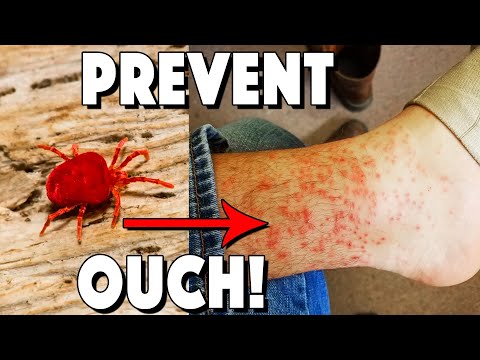
Chigger bites may seem like a minor irritation, but if you’ve ever been on the receiving end of one, you know they can make life quite uncomfortable. These tiny creatures, often found in grassy or wooded areas, latch onto your skin and cause intense itching that can last for days. Imagine having an itch that just won’t quit—frustrating, right? But don’t worry! Understanding how to prevent and treat these bites can help you reclaim your outdoor adventures.
In this article, we’ll explore what chiggers are, how they bite, and why their bites lead to such discomfort. We’ll also dive into effective prevention strategies to keep these pesky critters at bay during your next hike or picnic. Plus, we’ll discuss treatments to soothe the itch if you do get bitten.
Remember, while this guide offers helpful tips and information, it’s crucial to stay informed through various specialists and reliable sources. Each individual’s body reacts differently; therefore, consulting healthcare professionals or reputable media is always a wise choice before taking action on health matters. Your well-being is important—let’s keep it that way!
The information provided in this article is intended solely for general informational and educational purposes. It does not constitute medical advice, diagnosis or professional treatment, and should not be considered a substitute for consultation with a qualified doctor or other licensed healthcare professional. Any health-related decisions should be made in consultation with accredited medical professionals.
While efforts have been made to ensure the information is accurate and up to date, no guarantees are given—either express or implied—regarding its accuracy, completeness, currency or suitability. Use of this information is at your own discretion.
It is strongly recommended to consult official sources such as the NHS (National Health Service) or other recognised medical institutions before acting on any information contained on this website or article. Under no circumstances should professional medical advice be ignored or delayed due to content read here.
This content is of a general and informational nature only. It is not intended to replace individualised guidance from a healthcare professional or to establish any doctor-patient relationship. The publication of this information does not imply any professional responsibility, guarantee or obligation on the part of the author or this site.
Relief Strategies for Uncomfortable Bumps After Outdoor Adventures
Outdoor adventures can lead to a variety of skin irritations, especially when encountering pesky insects like chiggers. These tiny mites can cause uncomfortable bumps and itching. Knowing how to manage these reactions is key for a more enjoyable experience outdoors.
When you get bitten, it’s helpful to **act quickly**. Use cold compresses to soothe the area. A clean cloth soaked in cold water applied for about 10–15 minutes can help reduce swelling and discomfort.
Over-the-counter creams are also effective for relief. Look for products that contain hydrocortisone or calamine lotion. These can ease itching and inflammation, making the whole experience much more bearable.
If you prefer natural remedies, consider using aloe vera gel. It’s known for its soothing properties and can moisturize the skin while offering mild relief from irritation.
Another approach is taking an oral antihistamine. Many people find these effective in reducing itchiness from bites, allowing better sleep at night if the itching becomes bothersome.
It’s important to avoid scratching the bumps, even though it’s tempting. Scratching can lead to **infections**, worsening your situation instead of improving it.
After any outdoor adventure, showering as soon as possible helps rinse off any irritants left on your skin. This simple step can prevent further reactions.
Preventive measures are equally vital in avoiding future bites. When heading out into nature, wear long sleeves and pants whenever possible. Light-colored clothing makes it easier to spot any crawling insects before they bite.
Additionally, applying insect repellent on exposed skin is a smart choice. Choose a product with DEET or picaridin for better protection against not just chiggers, but other insect bites too.
Remember that while most reactions to chigger bites resolve on their own within a week or two, keeping an eye on the bumps is important. If you notice signs of infection like increased redness or pus, seeking professional advice might be necessary.
Being informed about these strategies empowers you to enjoy outdoor activities while staying comfortable and itch-free!
Discover Effective Solutions to Tackle Chigger Infestations Naturally
Chiggers are tiny mites that can cause itchy bites. They often dwell in tall grass and wooded areas, making outdoor activities a prime time for encounters. Understanding how to tackle chigger infestations naturally can help you enjoy nature without the discomfort.
First, prevention is key. Here are some effective tips:
If you do get bitten, there are ways to soothe the itching without using heavy chemicals. Here are some natural remedies:
Keeping your yard tidy can also help reduce chigger populations. Regularly mowing your lawn and clearing away debris will minimize their habitat.
Another important aspect is personal hygiene after outdoor exposure. Showering soon after being outdoors helps wash off any chiggers before they bite.
Be aware that some myths about chiggers exist. For instance, many believe that chiggers burrow into the skin. In reality, they do not penetrate; they feed on skin cells on the surface.
While natural solutions can provide comfort and reduce exposure, remember that severe reactions should be discussed with someone knowledgeable in health care.
Understanding these strategies will help you handle chigger encounters more gracefully while enjoying the great outdoors!
Simple Remedies to Soothe Annoying Bites and Find Relief
Chigger bites can be really annoying. These tiny pests often leave behind itchy, red welts on the skin. Understanding how to soothe these bites can help you find relief.
First, it’s important to clean the area. Gently wash the bites with soap and water. This helps remove any dirt or bacteria that could cause infection.
Next, you might want to apply a cool compress. Simply wet a cloth with cold water and press it against the bites for about 10-15 minutes. This can help reduce swelling and ease itching.
You could also try over-the-counter creams or ointments. Look for those containing hydrocortisone or calamine lotion. These can provide temporary relief from itching and irritation.
If you’re looking for natural remedies, consider using aloe vera gel. It’s known for its soothing properties and can help calm irritated skin.
Another option is baking soda paste. Mix baking soda with a little water to create a paste, then apply it to the bites. Leave it on for about 10 minutes before rinsing off.
Remember, avoiding scratching is crucial! Scratching can lead to infection or worsen the irritation. Keeping your nails short might help minimize damage if you accidentally scratch.
Lastly, keep in mind that prevention is key. When spending time outdoors, wear long sleeves and pants if possible. Using insect repellent spray also helps keep chiggers at bay, especially in tall grass or wooded areas.
If the itching persists or if you notice signs of infection—like increased redness or pus—it might be wise to seek advice from a health professional to ensure proper care.
Taking care of yourself after being bitten helps ease discomfort and aids recovery!
Chigger bites can be an unpleasant experience, causing intense itching and discomfort. It’s important to understand both prevention and treatment for these pesky bites to manage symptoms effectively.
First, let’s consider prevention. Chiggers are small parasitic larvae often found in tall grass and bushy areas. Wearing protective clothing, such as long sleeves and pants, can significantly reduce the risk of bites. Additionally, using insect repellent containing DEET or permethrin on exposed skin and clothing is highly recommended.
If you do get bitten, there are ways to alleviate symptoms. Immediate care is essential. Gently wash the affected area with soap and water to remove any irritants. Applying a cool compress can soothe the skin and lessen swelling.
Over-the-counter remedies, like hydrocortisone cream or antihistamines, can help relieve itching. Avoid scratching the bites to prevent infection—a key point many overlook.
Understanding chigger biology helps demystify their behavior and potential risks. They don’t burrow into the skin; instead, they inject digestive enzymes that cause your body’s reaction—an analogy would be how certain plants release chemicals that trigger allergic responses.
By educating ourselves on how to prevent chigger bites and treat them effectively when they occur, we empower our health choices while fostering a sense of control over our outdoor experiences. Knowledge is indeed our best defense against these tiny intruders!